
Your support helps us to tell the story
From reproductive rights to climate change to Big Tech, The Independent is on the ground when the story is developing. Whether it’s investigating the financials of Elon Musk’s pro-Trump PAC or producing our latest documentary, ‘The A Word’, which shines a light on the American women fighting for reproductive rights, we know how important it is to parse out the facts from the messaging.
At such a critical moment in US history, we need reporters on the ground. Your donation allows us to keep sending journalists to speak to both sides of the story.
The Independent is trusted by Americans across the entire political spectrum. And unlike many other quality news outlets, we choose not to lock Americans out of our reporting and analysis with paywalls. We believe quality journalism should be available to everyone, paid for by those who can afford it.
Your support makes all the difference.Read more
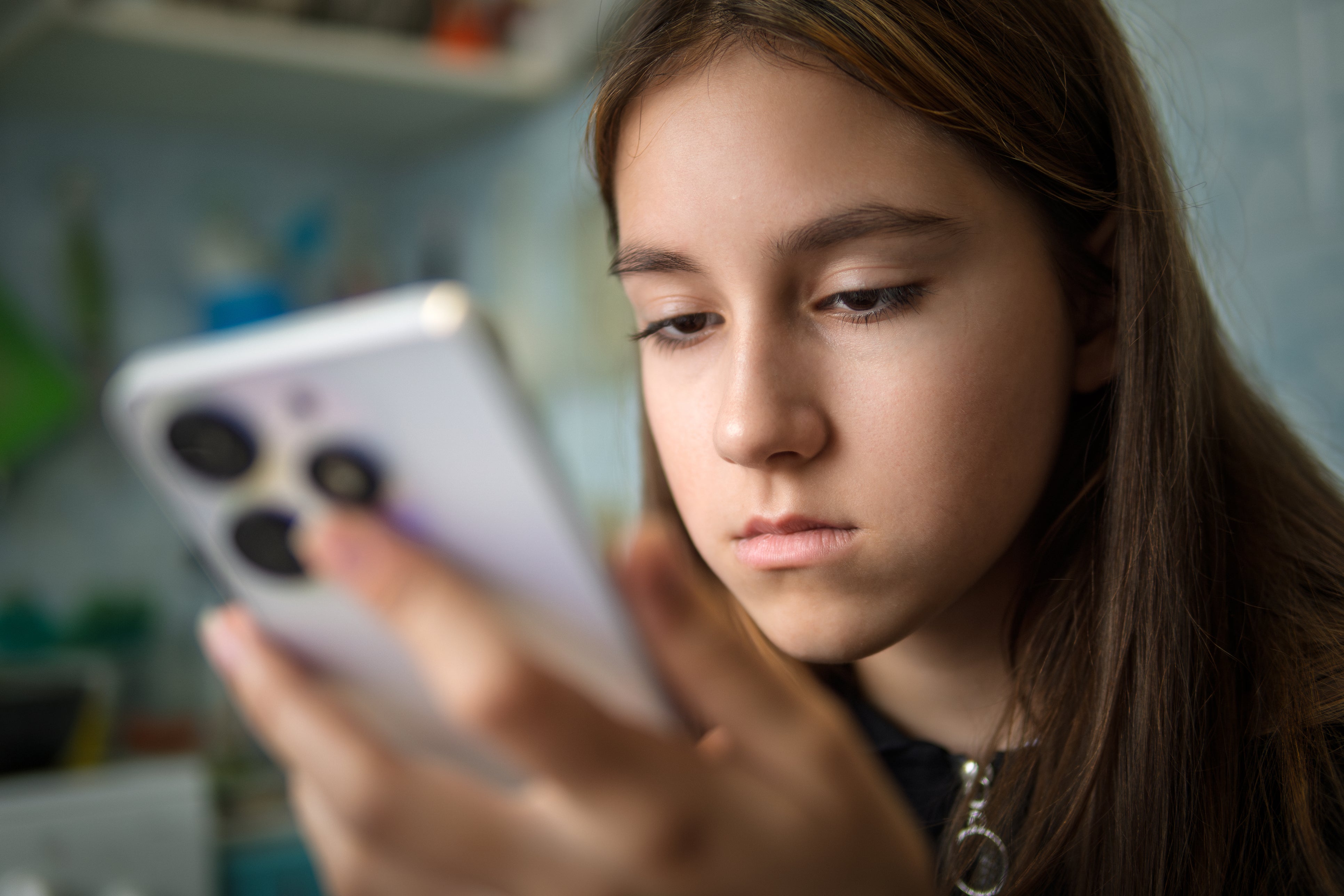
A quarter of teenagers in the UK have turned to AI chatbots for mental health support in the last year, new research has revealed.
A study of 11,000 children aged 13 to 16 in England and Wales has found more than half of teenagers have used some form online mental health support in the last year, with 25 per cent having used AI chatbots.
The research, carried out by charity the Youth Endowment Fund (YEF), also found young people affected by serious violence were even more likely to seek help online.
Some 38 per cent of children who were victims of serious violence said they’d turned to AI chatbots for support, while 44 per cent of children who had been perpetrators of serious violence said they had done the same.
The YEF said AI chatbots could appeal to struggling young people who feel it is safer and easier to speak to an AI chatbot anonymously at any time of day rather than speaking to a professional.
Ajada, a YEF youth advisory board member, said: “AI really scares me. If you’re really struggling and are thinking about doing something harmful to yourself, you can ask AI for support. It will give you the information, but what you do with it is up to you.

open image in gallery
The research found young people affected by serious violence were even more likely to seek help online.emium (Getty/iStock)
“So, we lose that emotional, personal experience that comes with positive human interactions.”
Charity leaders also warned this could be happening due to a lack of support available for teenagers’ mental health, stressing: “They need a human not a bot.”
“Too many young people are struggling with their mental health and can’t get the support they need. It’s no surprise that some are turning to technology for help.” Jon Yates, CEO at the Youth Endowment Fund, said.
“We have to do better for our children, especially those most at risk. They need a human not a bot.”
He added: “For those affected by violence, the understanding and empathy of a trusted adult can make all the difference — someone who listens, reassures them and helps them see they don’t have to face their problems alone.”
The research also found that more than one in four of all teenagers reported symptoms associated with high or very high levels of mental health difficulties.
open image in gallery
Earlier this year, the NHS urged young people to stop using AI chatbots as a substitute for therapy, warning that they can provide “harmful and dangerous” mental health advice (Getty/iStock)
A quarter of teenagers surveyed have received a formal diagnosis of a mental health or neurodevelopmental condition, while a further 21 per cent believe they may have a condition but have not been formally diagnosed.
Concerningly, 14 per cent said they had self-harmed in the past year, and 12 per cent had thought about ending their life.
Earlier this year, the NHS urged young people to stop using AI chatbots as a substitute for therapy, warning that they can provide “harmful and dangerous” mental health advice.
NHS leaders have said the rise in so-called “AI therapy” is a worrying trend, particularly among teenagers and young adults, with experts warning that these tools are not equipped to handle serious mental health conditions and could worsen symptoms.
“We are hearing some alarming reports of AI chatbots giving potentially harmful and dangerous advice to people seeking mental health treatment, particularly among teens and younger adults,” said Claire Murdoch, NHS England’s national mental health director, told The Times in September.
She said AI platforms should “not be relied upon” for sound mental health advice and “should never replace trusted sources” of information from registered therapists.
If you are experiencing feelings of distress, or are struggling to cope, you can speak to the Samaritans, in confidence, on 116 123 (UK and ROI), email jo@samaritans.org, or visit the Samaritans website to find details of your nearest branch. If you are based in the USA, and you or someone you know needs mental health assistance right now, call or text 988, or visit 988lifeline.org to access online chat from the 988 Suicide and Crisis Lifeline. This is a free, confidential crisis hotline that is available to everyone 24 hours a day, seven days a week.If you are in another country, you can go to www.befrienders.org to find a helpline near you