
SHASTA COUNTY, Calif. — Shasta County residents had a chance to hear firsthand from the people behind the proposed True North Behavioral Health campus, which would see hundreds of millions of dollars invested by the state.
“Right now, the safe place to go is limited to our emergency rooms,” explained Kimberly Johnson, CEO of Arch-Collaborative, discussing the current difficulty of finding somewhere for people experiencing mental health crises in Shasta County. “Sometimes our jail, if someone is combative inside of an emergency room and can not be contained inside an emergency room, and then at times if you have a child, or youth, you have a social worker making 10, 20, 30, 40 calls to find placement.“
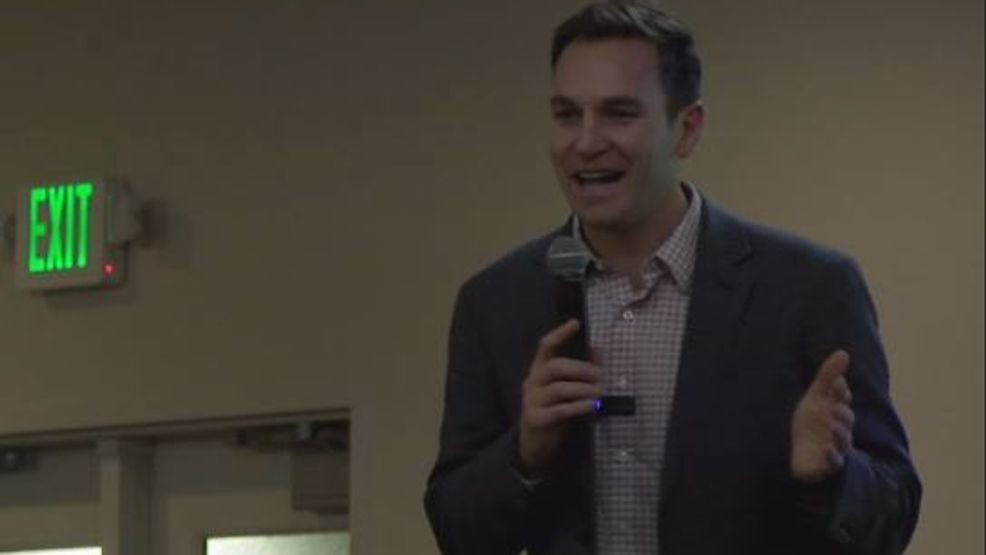
Supervisor Matt Plummer announced he would be hosting the town hall after it received major pushback from other county supervisors when it was first revealed. Photo taken at Dignity Health’s Connected Living Campus in Redding on December 8th, 2025. (KRCR){ }
The town hall, sponsored by Supervisor Matt Plummer, was less a town hall and more a presentation by the parties involved in the push to build the True North Behavioral Health Treatment facility within the county. Presenters shared a variety of details, ranging from the location and costs to the practices of the proposed site and what the current conditions are in the county.
The project would cost a total of $206,166,000, with the state’s Prop 1 BHCIP Bond covering $164,680,000, and Signature Healthcare, which would own and operate the facility, would cover the remaining startup costs. However, they emphasized the grant has still not been awarded, and recipients won’t be announced until late Spring 2026. At that time, the state could decide not to give the full amount, which could necessitate further discussions around funding.
The facility itself would be located in Shasta Lake near the intersection of Pine Grove Avenue and Lake Boulevard. While the land is currently owned by the McConnel Foundation, Signature Healthcare’s COO, Alan Eaks, explained they’ve taken steps to secure the land should the project be funded by the state. Following the presentation, Plummer brought up a panel of 10 experts, including Johnson and Eaks, who proceeded to answer pre-prepared questions around what the facility would do and where the need is now.
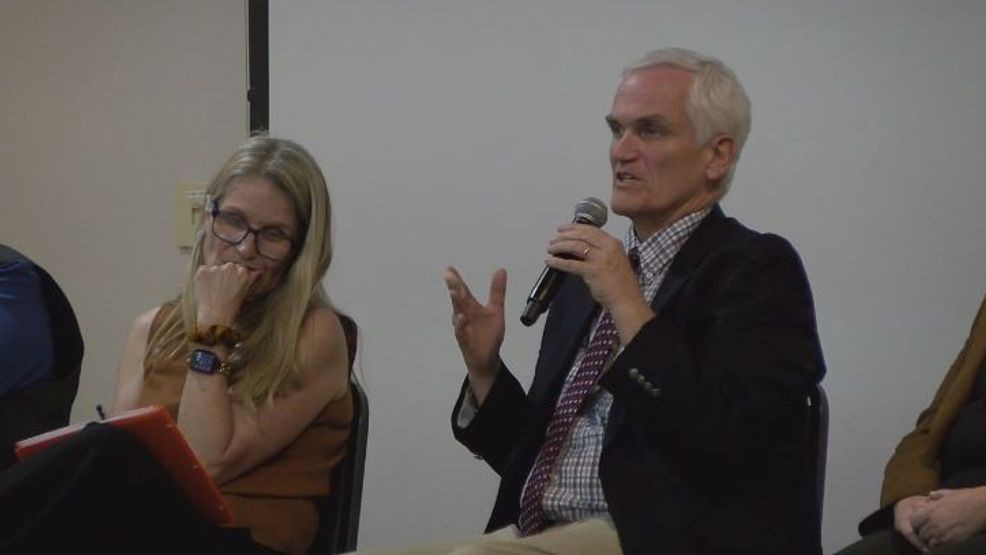
Experts on the panel ranged from Shasta County Undersheriff Gene Randal, to family doctors like Dr Douglas McMullin with others covering topics like mental health, emergency room stays, and EMS response.{ }Photo taken at Dignity Health’s Connected Living Campus in Redding on December 8th, 2025. (KRCR)
“Will this bring more homelessness?” read Eaks. “No. We’re only going to treat people that are here. It’s not a drop-off site, it’s not a shelter, it’s not a day center. It’s a secure treatment facility. “
The other members of the panel featured local experts on topics like law enforcement, mental health, and medical professionals. While they had different aspects to focus, a core theme of the discussion was there is a dire need for the facility.
“I mean, I spend half a day in the ER and two months! I mean, just let that sink in,” said Redding family doctor, Douglas McCullin, in response to another panelist who shared she’s seen mental health stays in emergency rooms go longer than two months at times. “That’s what’s happening in our emergency rooms. It’s somebody staying for two months because of a mental health problem, and that just can’t be.“
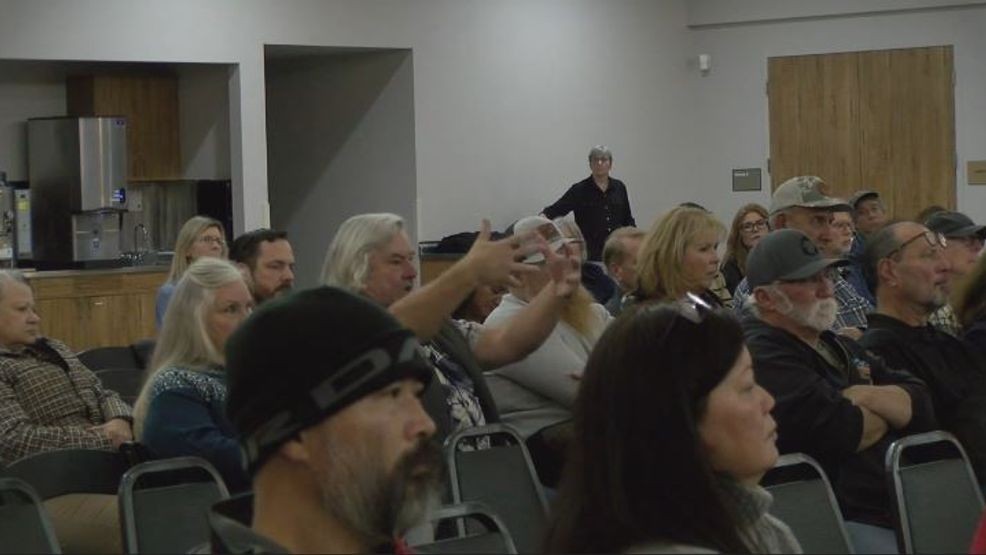
Residents interrupted the presentation a number of times to ask their own questions after it was revealed they would only be allowed to submit written questions for Plummer to pick from in the last 30 minutes of the event.{ }
However, Plummer gave only about 30 minutes to answer questions from the public, leading to several outbursts as the meeting neared its end. With residents demanding explanations around tax costs, where outpatients will be transported, and how it will be funded after its initial build.
In response to the continued outbursts, Kimberly Johnson emphasized that more answers are coming, committing to producing an online portal or public documentation that would show how the funding allocated was used.
“I hear the questions that are being asked, and I think that’s something that I’m committed to, and we’re all committed to, like working together, and we will be sure that is a part of the documentation we are submitting on the other side,“ she said to the crowd.
The board of supervisors will be discussing the matter at their meeting on Tuesday.
—