
Outpatient behavioral and mental health services empower wellness, inspire hope and support compassionate care that meets patients where they are.
Historic barriers like stigma, fear of judgment and limited access once kept people from seeking mental and behavioral health treatment. Today, that reality is shifting.
Increased awareness, education and advocacy have sparked cultural change, encouraging more individuals to prioritize mental well-being. In fact, nearly a quarter (23.9%) of U.S. adults received mental health treatment in 2023, and young adults have led the way, with treatment rates increasing by 45% between 2019 and 2022.
Central to this progress are outpatient programs – with care delivered in clinics, outpatient hospital settings, or through virtual telehealth services. Partial Hospitalization Programs (PHP) and Intensive Outpatient Programs (IOP) support accessible care; reduce disruption to work, school, family, and housing; help sustain patient engagement; and make early intervention possible.
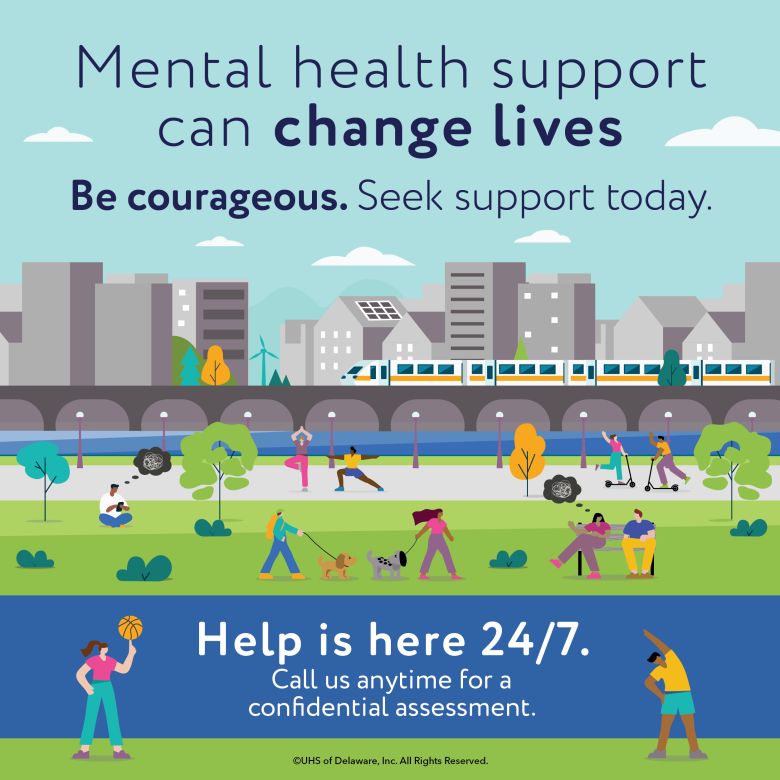
Let’s break down some common myths about outpatient behavioral health services:
Myth: “I worry that I may seem weak if I seek help for mental health issues.” Fact: Seeking help is a sign of strength and resilience. Mental and behavioral health treatments can help improve overall health and well-being.
Myth: “Outpatient care is low intensity.” Fact: Today’s leading outpatient behavioral healthcare providers offer a full continuum of care – with IOP that deliver structured therapy and medical management with less disruption to a patient’s daily life and activities.
Myth: “I’m concerned I won’t be able to work or attend school during treatment.” Fact: Many outpatient treatment programs offer flexibility to help individuals balance therapy with work and school.
As a behavioral healthcare provider here in Wyoming, our team at Wyoming Behavioral Institute offers outpatient virtual and in person therapy.
For information about inpatient individual and family therapy, virtual intensive outpatient treatment for teens, and medication management, call 307-439-2139.
When care follows a patient-centered approach, outcomes improve, patients stay engaged, the risk of readmission decreases, and crises become less frequent. The choice isn’t inpatient vs. outpatient – it’s providing the right support, in the right place, at the right time – driving more sustainable outcomes for patients and communities.
PAID FOR BY WYOMING BEHAVIORAL INSTITUTE
This article is a promoted post. The views, thoughts, and opinions expressed in the text belong solely to the organization that paid for the article, and do not necessarily reflect the views, thoughts or opinions of Oil City News, its employees or its publisher. Please fill out this form if you would like to speak to our sales department about advertising opportunities on Oil City News.
Related