
By Dan Guarino
Every day it seems is now brimming with the good cheer of Christmas, Hanukkah and other celebrations, wrapped up in shining lights and holiday trim.
But for many in Rockaway and all over, the season is not so bright, and many of us carry an extra burden in a time when we are expected to be filled with joy.
A recent American Psychiatric Association “Healthy Minds Poll” found “Among U.S. adults, 41% say they anticipate more stress related to the holidays this year than last year, a notable increase over 2024 (28%) and 2023 (29%).”
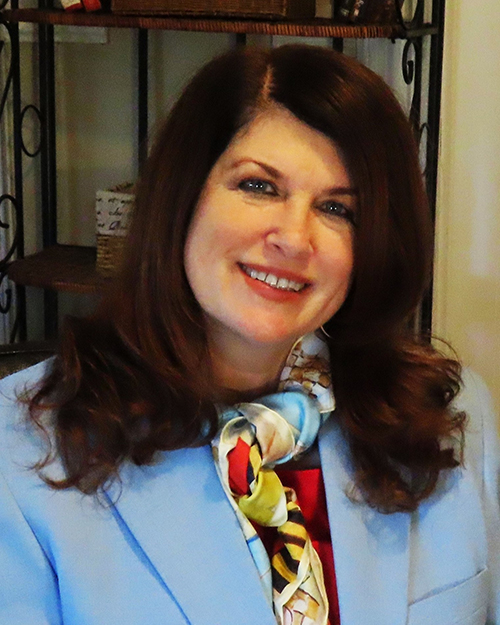 Marianne Muldoon LCSW
The mental health experts at St. John’s Hospital’s Episcopal Health Services (EHS) note, “The holidays can be a challenging time for many people, particularly those already experiencing mental health concerns.”
Indeed, according to the National Alliance on Mental Illness, 64% of individuals living with mental illness report that their symptoms worsen during the holiday season. “We do see an increase in people seeking mental health services to address signs and symptoms of depression during this time,” EHS notes. “While the season is festive for many, it can also bring feelings of loneliness, grief, and overwhelm for a variety of personal and emotional reasons.”
 Jamie Oyathelemi LCSW
Part of this due to the shift of seasons, when our days grow longer and colder. According to EHS’ Attending Psychiatrist Dr. Margaret Mooney MD, “Seasonal Affective Disorder (SAD) is a form of depression triggered by seasonal changes, often appearing in the fall and winter months. Common symptoms include loss of interest, fatigue, social withdrawal, changes in sleep patterns, irritability, and increased cravings for carbohydrates.” She says episodes can last four to six months, and treatment typically involves a combination of medication and psychotherapy, depending on the individual’s needs.
In addition, Dr. Mooney notes, “Several factors can contribute to depression during the holidays, including feelings of inadequacy, grief, loneliness, stress, and disappointment, as well as the pressure of high expectations around gift giving, affordability, and family dynamics. Being separated from family members who live far away can also intensify these emotions and add to the sense of isolation during the season.”
EHS’ staff notes that while the factors contributing to holiday-related depression vary and are shaped by each person’s unique circumstances, clinicians have observed a consistent pattern in how these feelings present over the years. For each of us, what matters most is recognizing how you are feeling and addressing symptoms early to support your overall well-being.
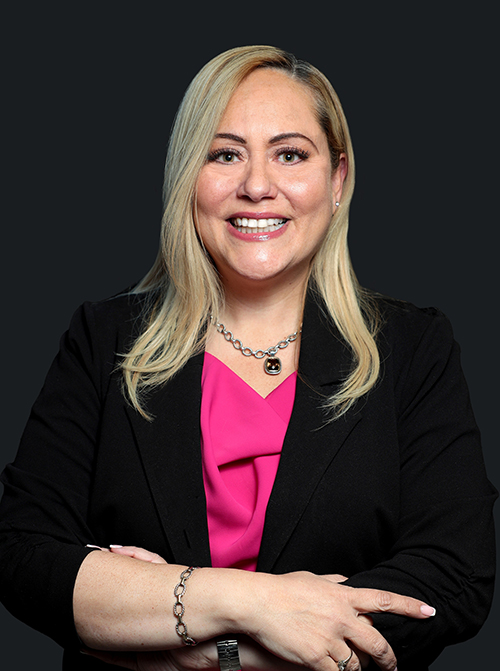 Tanya Barros MA
EHS Behavioral Health Services Manager Jamie Oyathelemi LCSW clarifies, “There are several key signs and symptoms individuals should watch for during the holidays. These can include changes in sleep patterns- sleeping too much or too little, shifts in appetite, persistent low mood, loss of energy or motivation, and difficulty managing work, school, or daily responsibilities.”
She says, “A lack of interest in activities that once felt enjoyable is also common. In more serious cases, individuals may experience thoughts of death or suicide, which warrant immediate attention and support.”
Dr. Mooney adds that depression can range from mild to moderate to severe, and individuals at any level are encouraged to seek help. Effective treatments are available, and “no one should feel they have to manage these symptoms alone.
“Unfortunately, some people turn to unhealthy coping behaviors during the holidays, such as overspending, gambling, overeating, or substance use. These behaviors may offer temporary distraction, but ultimately create additional problems rather than relief. Connecting with a behavioral health professional can help individuals understand the underlying issues and develop healthier, more effective ways to cope.”
Proactively, Oyathelemi advises “Individuals can practice good self-care by maintaining a consistent sleep schedule, engaging in regular exercise, spending time in natural light or increasing vitamin D exposure, participating in social activities, walking in nature, and practicing gratitude.
“For many, spirituality is also an important source of strength. Staying connected with family and friends can provide meaningful support, and setting personal boundaries and realistic expectations around the holidays is essential.” If symptoms persist, seeking mental health treatment is important, starting with a conversation with your primary care provider to explore appropriate options.
EHS Vice President of Behavioral Health Tanya Barros MA, LMHC, CCTP adds, “When it comes to emotional health, it is always best to seek support from professionals.
“There is no shame in reaching out for help or accessing services. At EHS, we are proud of our dedicated team of behavioral health experts, available to assist individuals of all ages.”
Available to all, Barros explains EHS services include “a wide range of clinical, supportive, and peer-based programs tailored to meet the unique needs of our patients. Using evidence-based practices, we provide a holistic and culturally sensitive approach to care.”
In private practice for 25-plus years, therapist Marianne Muldoon LCSW has worked in the Rockaways, and led sessions on dealing with PTSD after Hurricane Sandy. She notes also that “holidays are an anniversary. They bring up previous holidays, times both good and bad. It’s a time when we remember people who are no longer with us. Or far away. It’s a time of reflection.
“Being with family also can be stressful.” Especially if relations are already strained. “There’s also the presumption that ‘everybody else’ is happy, (and) you’re the only one who’s not. That’s not true,” Muldoon said. “The truth is a lot of people feel that way.”
Most importantly, Muldoon says, “Don’t be hard on yourself. This is very common. It’s seasonal. And eventually, you do feel better.”
So, if this season with all its shining lights and seeming all-surrounding cheer is not as shiny and bright for you, remember you are not alone. Understand you are not the only one feeling that holiday shade of blue and help to get through is within your reach.
That’s a gift worth opening.
If you or a loved one are seeking mental health support, please contact EHS’Community Mental Health Center at 718-869-8822. Those in crisis can call or text 988, chat www.988lifeline.org/chat, available 24 hours a day, seven days a week.