
The rituals you perform this holiday season may have a bigger impact on your mental health than you think. Whether you decorate for the holidays right when Thanksgiving ends or eat exactly 12 grapes at midnight on New Year, many of us rely on traditions. These familiar actions do more than mark a new season; they ease our minds in moments of uncertainty.
Ritual is characterized by actions performed in “rigid, formal, and repetitive ways” with little to no variation. Unlike habits, rituals follow a set of rules and carry symbolic relevance despite having no direct outcome. Traditions before a sports event or singing happy birthday might not change the world, but they provide structure and solace. Rituals have power because they feel meaningful, even though they have no ties to results, according to Hobson et al.
Historically, rituals existed to create social connection, like wedding ceremonies, funerals, and seasonal celebrations. Modern life has woven ritual into personal routine. Preparing a morning coffee or a weekly walk on the same route are small, everyday rituals that help people feel grounded. Rituals give way for the mind to process difficult experiences, like stress or change.
A Harvard study reported that people who perform a symbolic ritual after a stressful event felt more in control, even if they did not believe the ritual worked. This effect can help explain why rituals are shown to lower anxiety. Finding a sense of community through ritual also plays a role in creating a calm response. Group rituals validate the human need for connection and belonging that our mental health depends on. Research shows that holidays not only bring families together, but the rituals practiced increase enjoyment and give a refreshing pause from daily routine.
It can be helpful to identify rituals in your life and harness their importance. Pay attention to a habit that has a deeper meaning, like daily journaling and morning affirmations, and notice how it serves you. Identifying your rituals can be like finding your strengths and weaknesses; you can eliminate personal rituals that no longer benefit you and appreciate what works.
As the holiday season approaches, the predictable rhythm of rituals may be exactly what our minds need. Lighting a candle at the end of the day, making hot cocoa in your favorite mug, or repeating cultural traditions each winter can help reduce stress, strengthen relationships, and make life feel more manageable. Research shows that ritualistic practices provide comfort, and as you begin the last few days of the year, that sense of stability might be the best gift for yourself.
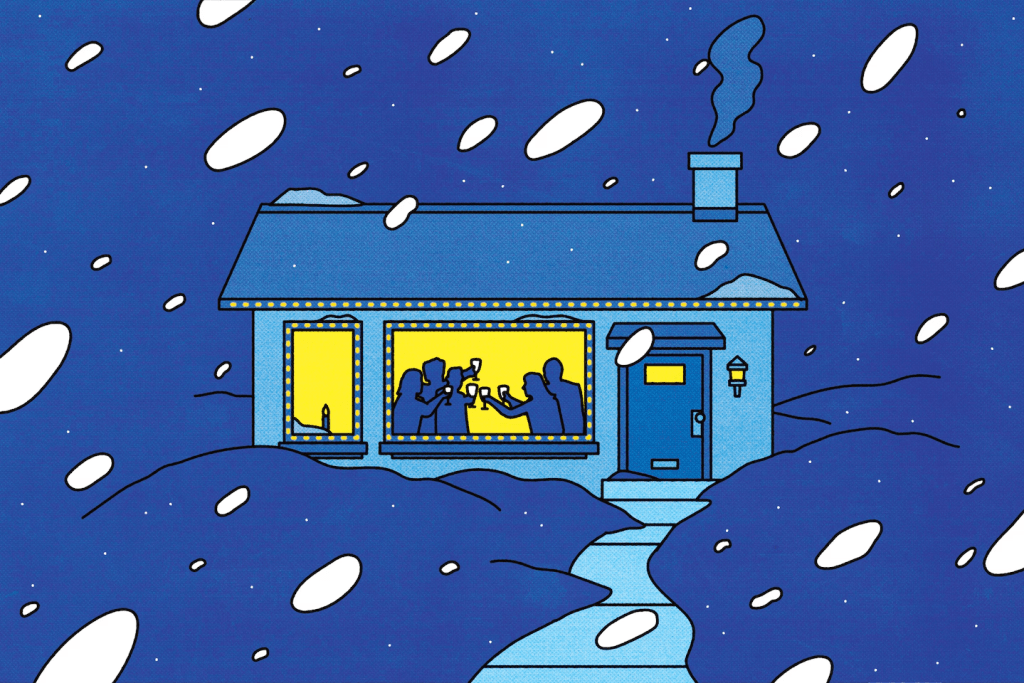 Photo Courtesy of washingtonpost.com