
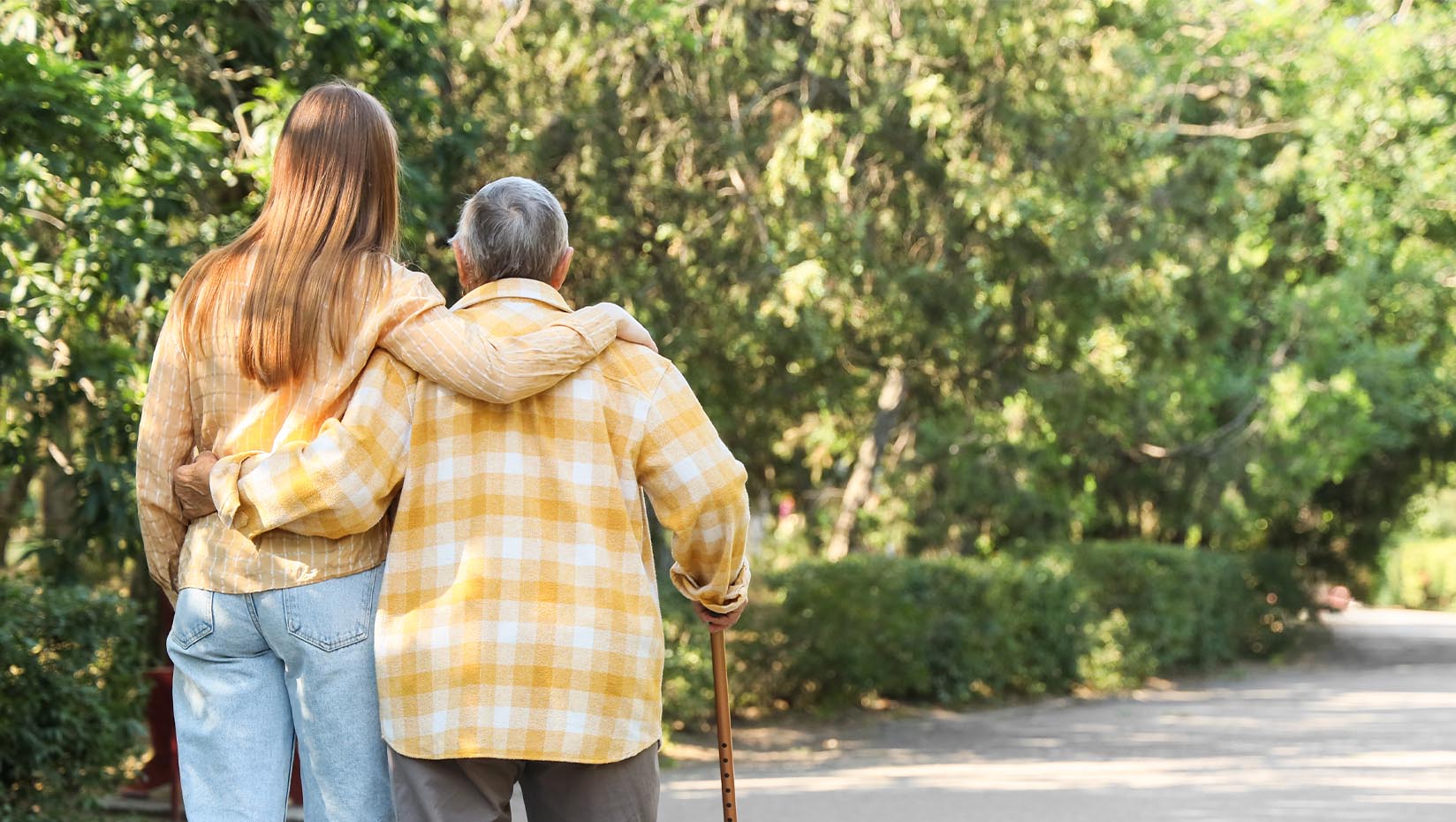
To help prevent chronic health issues, UMaine researchers strengthening mental wellbeing among Downeast seniors
As an emergency medical technician in Machiasport, Hannah Maker has witnessed how chronic stress and isolation affect the well being of older adults in Washington County, where population health falls below the state average. That’s why she joined an initiative from the University of Maine to connect seniors in the area, including Passmaquoddy Tribal elders, with resources to improve their physical and mental health.
The Downeast Population Health Initiative aims to reduce isolation and long-term emotional stress from persistent challenges like anxiety, poverty and food insecurity, all of which can lead to chronic illness and heightened risk of early death among seniors. Through the initiative, community health workers meet with older adults to identify needs, reduce distress and strengthen community connection. Workers connect with seniors in person and through a digital platform run by the Community Caring Collaborative (CCC), a partner for the initiative.
Since joining the research team in September 2024, Maker has collected data and helped her colleagues form partnerships with local service providers. She has also deepened the team’s understanding of what it’s like to age in Washington County.
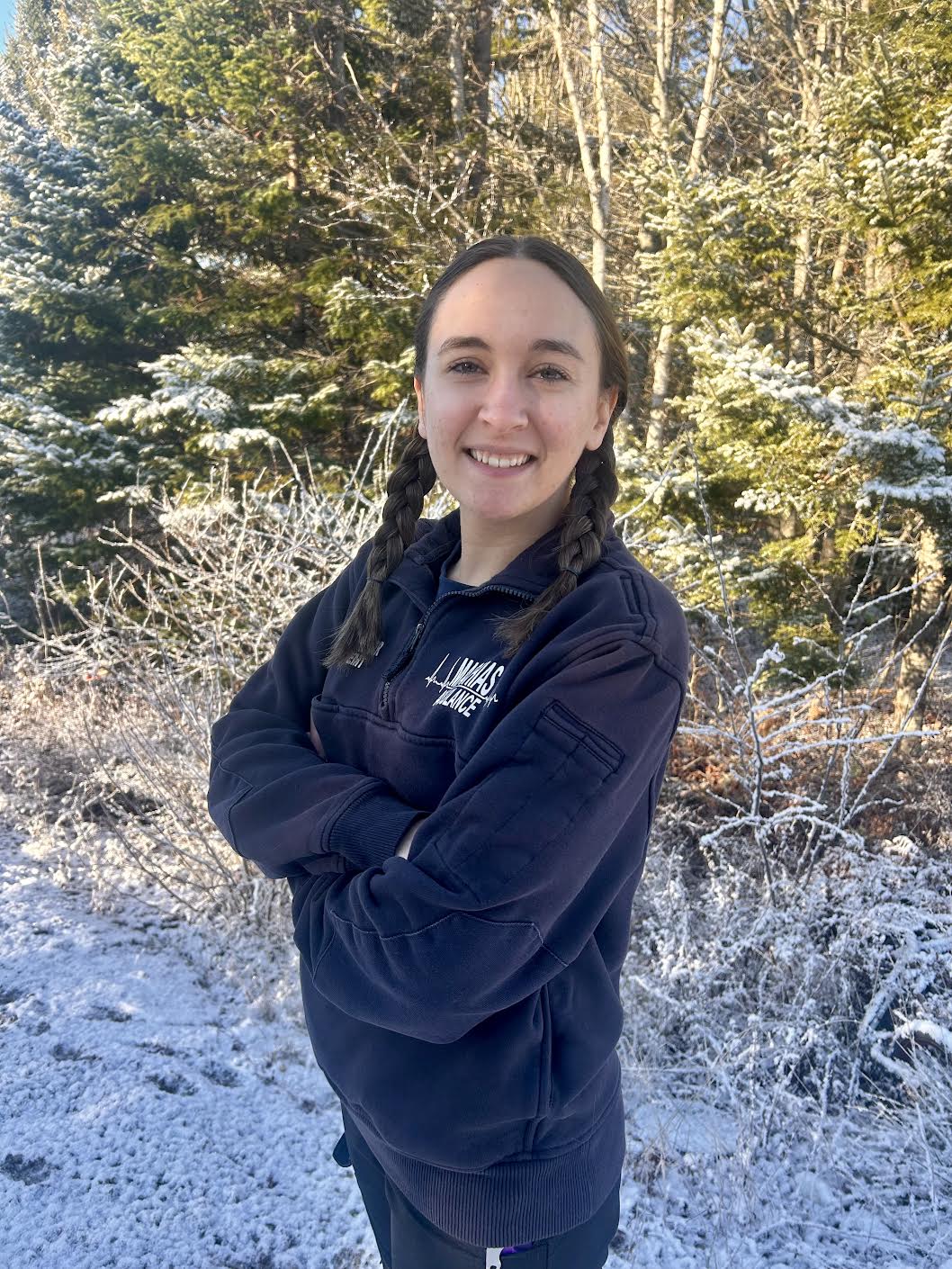 Hannah Maker
The initiative recognizes that health is shaped not only by medical factors but by community hardships, relationships, dignity and access to trusted support. As a result, the team’s efforts focus on the whole-person and whole community experience of aging. Maker said she thanks this research project for her understanding of patient care.
“You have to get to know your patients and get to know their circumstances to treat them individually,” said Maker. “When you are taking care of patients, you are looking at all of their symptoms, not just their disease.”
Led by School of Nursing faculty Jordan Porter and Kate Darling the team began planning in early 2024 using a community-engaged research approach, avoiding solutions that don’t work in the unique contexts of rural communities. They also recruited doctoral nursing students Bif Churchill and Cynthia Cushing and Maine Top Scholars Olivia Pelkey and Leilani Welsh to assist.
Early conversations with the CCC and survey and focus-group data revealed dignity, connection and emotional safety are central themes, forming the foundation for the initiative’s design.
“It feels so life-giving and powerful because it’s really connecting with a lot of people because it is truly meeting the unique needs of older people in our community,” Porter said.
Ongoing work
The research team implemented a social care pathway in partnership with the CCC’s Connection Initiative platform and tailored it to the needs of older adults in Washington County, whether it be for food, housing, education, mental or physical health. Community health workers conduct surveys with older adults and submit resource requests through the CCC to connect them with local resources. After extensive training to ensure interactions feel relational rather than transactional, the team began collecting and evaluating data.
The team is now interviewing older adults and community health workers and administering measures of distress, loneliness and social connection. Maker and an interdisciplinary team of undergraduate and graduate researchers will review the interview transcripts and evaluate whether the pathway reduces distress, strengthens connection, improves time-to-resource access or even decreases crises, such as emergency medical services. They will also analyze how older adults and community healthcare workers connect on the platform.
The initiative builds relationships between the older adults in Washington County and their community, ensuring they have people to reach out to in times of distress.
“The unique approach of this project is dignity is an intervention,” Porter said. “Meeting an older adult with presence, respect and emotional steadiness during a moment of distress helps regulate the nervous system, builds trust and opens the door to connection.”
Maker shared that participating in the initiative has helped her feel more connected to her community and able to give back to the people she personally knows in a meaningful way.
“It feels great to be able to do something for my community and make a difference to the people I personally know,” Maker said.
The Downeast Population Health Initiative is funded by the Maine Community Population Health Initiative, a grant program of the Maine Medical Association’s Center of Quality Improvement committed to supporting the health of Maine communities through research and community-based health interventions.
Story by Sophie Knox, research intern
Contact: Daniel Timmerman, daniel.timmerman@maine.edu