
I was 16 the first time I woke up feeling like I was dying. My chest was tight and burning, and I struggled to catch my breath. I looked around the room: Radiohead posters on the walls in the glow of a hot pink lava lamp, a window cracked to let in a soft breeze. Nothing had changed since I’d fallen asleep earlier that evening. I hadn’t even had a bad dream. Still, it took several minutes to feel like I was in control of my body and breath.
Over the next couple of decades, these terrifying episodes happened sporadically. They were intense, but they only lasted a few minutes. I assumed they were a fluke. I ignored them until my mid-30s, when I started waking up with intense chest pain several nights per week, and nearly every time I tried to take a nap. It felt like terror, but because there was no nightmare or event that preceded the attack, I didn’t know where the intense fear was coming from. Traditional calming techniques like deep breathing made the horrible feeling last longer, so I abandoned those pretty quickly.
Over time, the compounded lost sleep caused my appetite to weaken. I felt worn down after just a few hours at work, and I became more easily irritated by things that usually didn’t bother me at all. That I couldn’t predict when a panic attack would occur was the hardest part. I stopped taking naps. I dreaded falling asleep at night. I tried meditation apps, a sleep diet, restricting caffeine and calming apps. None of it worked, and the attacks continued. I was a single mom of three kids, balancing parenting young children with a full-time job as a speech pathologist. Sleep was already difficult to come by, but now the sleeplessness felt relentless. I began to think I might have a heart condition. Finally I made a doctor appointment. After several months and dozens of tests, I was diagnosed with nocturnal panic attacks (which I’d never heard of). I was surprised to find out that such a physiological experience could be caused by a psychological diagnosis.
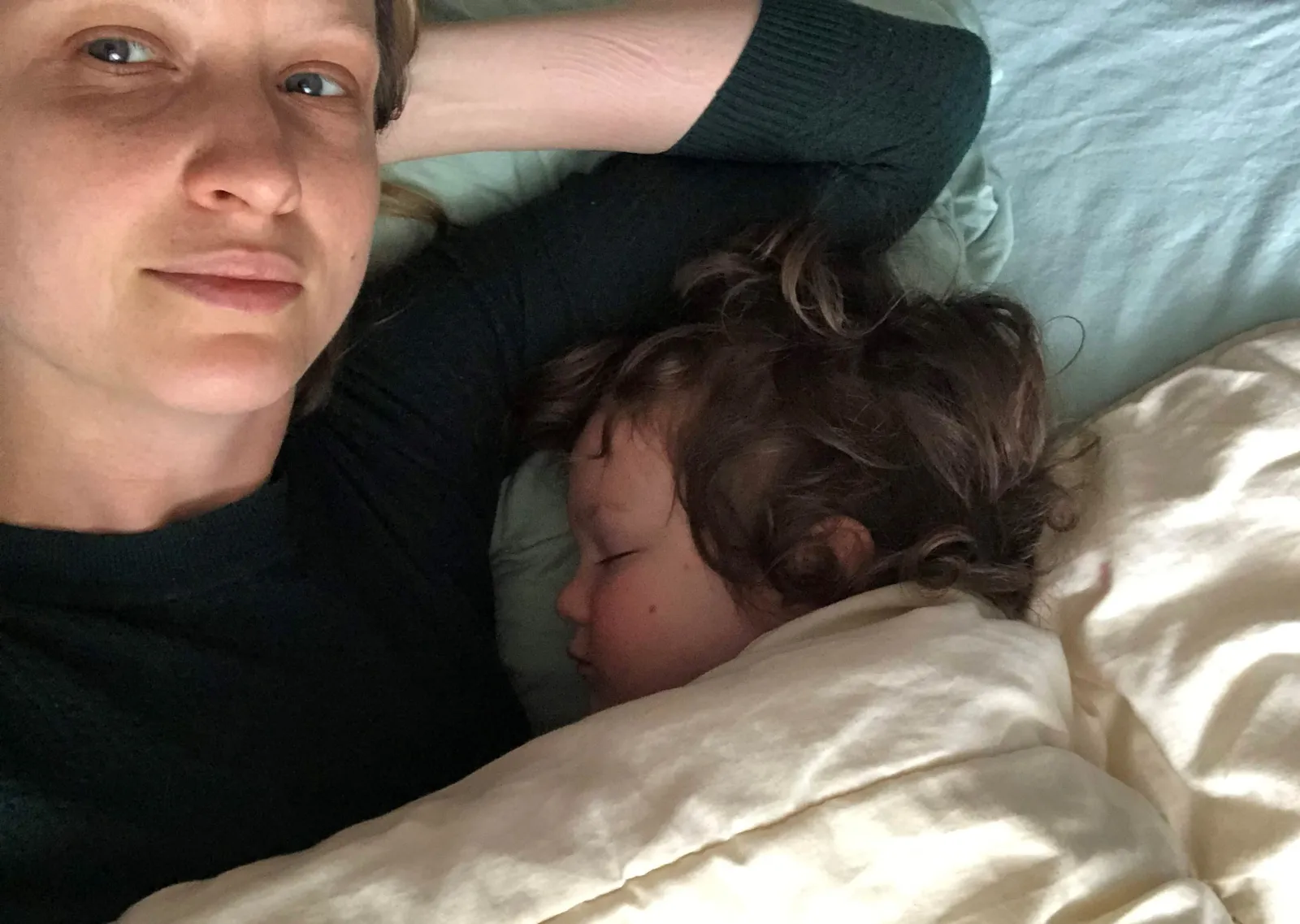
Panic attacks, characterized by primarily physical symptoms—racing heart, chest pain, shortness of breath, sweating—don’t usually happen when the body is in dream sleep, Robert Cuyler, a psychologist who specializes in panic and PTSD, told me. But for some people—like me—they do. Nocturnal panic attacks are rare, but common among people who already experience regular panic attacks. Of the approximately 5% of U.S. adults who have panic disorder (or recurrent panic attacks), 18-45% of them have nocturnal attacks as well. (I didn’t have panic attacks as a teen, but I did in adulthood.) And in the same way that people who experience daytime panic attacks sometimes come to fear whatever triggered them—claustrophobia, or anxiety around bridges, for example—people who experience nocturnal panic attacks can begin to fear sleep. “When this sudden, bodily terror happens at night, it becomes a vicious cycle. Falling asleep doesn’t feel safe,” Cuyler said.
My road to diagnosis took many months and research shows that I’m not alone: Panic attack disorder—whether it happens during the day or at night—is often misdiagnosed. Because symptoms like chest pain and shortness of breath could indicate other serious illnesses, patients like me often undergo several tests to rule out heart, respiratory, neurological or digestive system problems before even consulting a psychiatrist, research shows.
Once I had a name for what I was experiencing at night, figuring out treatment was the next challenge. The strategies I’d used for daytime anxiety and panic attacks—naming objects in the room, smelling herbs or essential oils, breathwork—required something I didn’t have at night: consciousness.
It wasn’t until my therapist suggested EMDR—eye movement desensitization and reprocessing, a therapy that uses guided eye movements to heal trauma—that something finally shifted. I had been using EMDR to soothe some difficult experiences from childhood, but I didn’t think it could be used to help with panic attacks. The therapy requires patients to revisit traumatic memories. But with the sleep attacks, no memories came to mind for me because nothing traumatic had happened during them. But it turns out that EMDR isn’t limited to single events.
Read MoreMy Turn
“EMDR helps regulate the nervous system, which often makes it easier to fall asleep and stay asleep,” said Lauren Borkowski, a certified EMDR therapist (not mine) in Colorado, describing how targeting the fear of dozing off could preemptively resolve the panic response.
While EMDR had helped me immensely with soothing disturbing memories from my childhood, I was skeptical of its ability to help me sleep again. But I craved that sense of safety during rest, so I decided to try.
After just two sessions, I started to see a shift. I woke up in the night less frequently. As the episodes reduced over time, so did my fear of falling asleep. About six months later, I accidentally fell asleep in the middle of the day for about an hour. I woke up with a jolt—not from experiencing a panic attack, but from realizing that I could have had one. My partner was next to me and asked if I was OK, assuming I was working my way out of anxiety. “I’m actually fine,” I said, relieved that I’d finally been able to recharge without consequences.
For years, nighttime was the most vulnerable, frightening part of my life. I used to resist sleep, powering through drowsiness to a fault. I was unable to even rest during the day because I didn’t want to accidentally snooze and wake up feeling worse.
After a few months of EMDR, the nocturnal panic attacks almost disappeared. Now, I experience one a couple times a year, if that. They are much milder when they do happen.
Over time, being able to control my energy has allowed me to be more present with my kids, more thoughtful at work, and, when it comes to vacation, power naps are my best flex. I love planning a wild, joyful day at a theme park, knowing we’ll all be able to zonk out for a while after lunch and truly enjoy the evening festivities. It’s easy to take good sleep for granted, but for me, having control over this part of my life again feels like nothing short of a miracle.
Asha Dore is a journalist and illustrator working on a book about crime and class in Florida. Find her on Instagram or www.AshaDore.net.
All views expressed in this article are the author’s own.
Do you have a personal essay you want to share with Newsweek? Send your story to MyTurn@newsweek.com.