
The holiday season is often described as the most joyful time of the year, a time filled with family gatherings, traditions and togetherness. But for far too many in our community, this season brings something very different: overwhelming stress, feelings of loneliness and a resurgence of mental health challenges. We don’t talk about these struggles nearly enough. And we should, because they are real, common and not a sign of weakness.
The truth is that holidays can intensify the pressure that so many people are already feeling. Financial strain, grief over a loss, complicated family dynamics, isolation and the anxiety to create a “perfect” holiday experience can all contribute to what many call the “holiday blues.” For some, these feelings are temporary. But for others, especially when symptoms last more than two weeks, they may be signs of clinical anxiety, depression or a seasonal pattern of recurring depression.
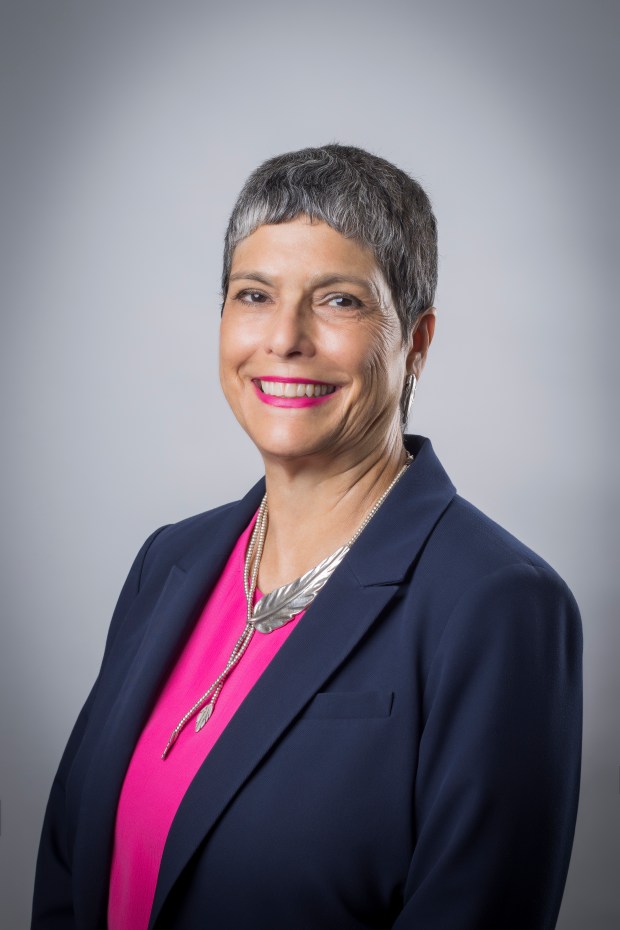 Silvia Quintana is CEO of the Broward Behavioral Health Coalition. (courtesy Silvia Quintana, photography by Eduardo Schneider)
As a behavioral health leader and someone who has spent years listening to the needs of our community, I urge everyone to prioritize mental wellness during this holiday season, both for yourself and for others.
Here are a few simple, meaningful steps that we can all take.
Put your well-being first. Be kind to yourself. Accept your emotional needs without judgment. Take time to recognize what triggers stress for you, whether it’s shopping for gifts, navigating family relationships or trying to meet unrealistic expectations. Once you understand these triggers, you can begin to prepare for them or set healthy limits.
Don’t try to be a superhero. Family dynamics are often complex, no matter how many holiday movies tell us otherwise. Acknowledge that. If you must be around individuals who challenge your emotional balance, limit the time you spend with them and create an exit plan if things become overwhelming.
Pay attention to persistent symptoms. Not everything can be attributed to “holiday stress.” If sadness, fatigue, isolation or irritability have been lingering, this may indicate Recurrent Depression with Seasonal Pattern or another mental health condition. It’s important to reach out to a medical or mental health professional.
Release the expectation of “perfection.” During the holidays, we’re surrounded by images of flawless families and picture-perfect moments. Keep in mind, these images may be unrealistic. Every family, no matter how polished from the outside, has its own stressors. There is no “right” way to experience the season.
Stay connected to support. If you have a therapist, keep going. If you don’t, this may be a good time to start. Therapy can help identify triggers and build an action plan for coping. You do not have to manage these feelings on your own.
And remember, free support is available to you 24/7 simply by dialing 211. Whether you’re struggling with loneliness, emotional distress or just need someone to talk to, 211 Broward offers compassionate guidance and can connect you to vital mental health services and community resources.
At Broward Behavioral Health Coalition (BBHC), we are committed to ensuring that individuals and families have access to free mental health and substance use services year-round. Our incredible provider network is available to help anyone in need during this holiday season and beyond. To learn more about available resources, please visit bbhcflorida.org.
Holidays affect each of us differently. Let’s show one another patience, grace, understanding and remind our community that it is always OK to ask for help.
No one in Broward County should feel alone this holiday season.
Silvia Quintana is CEO of the Broward Behavioral Health Coalition.