
Researchers in Sweden are testing whether a brain-healthy MIND diet can be realistically adopted by adults with obesity, laying the groundwork for future trials linking diet, gut health, and mental well-being.
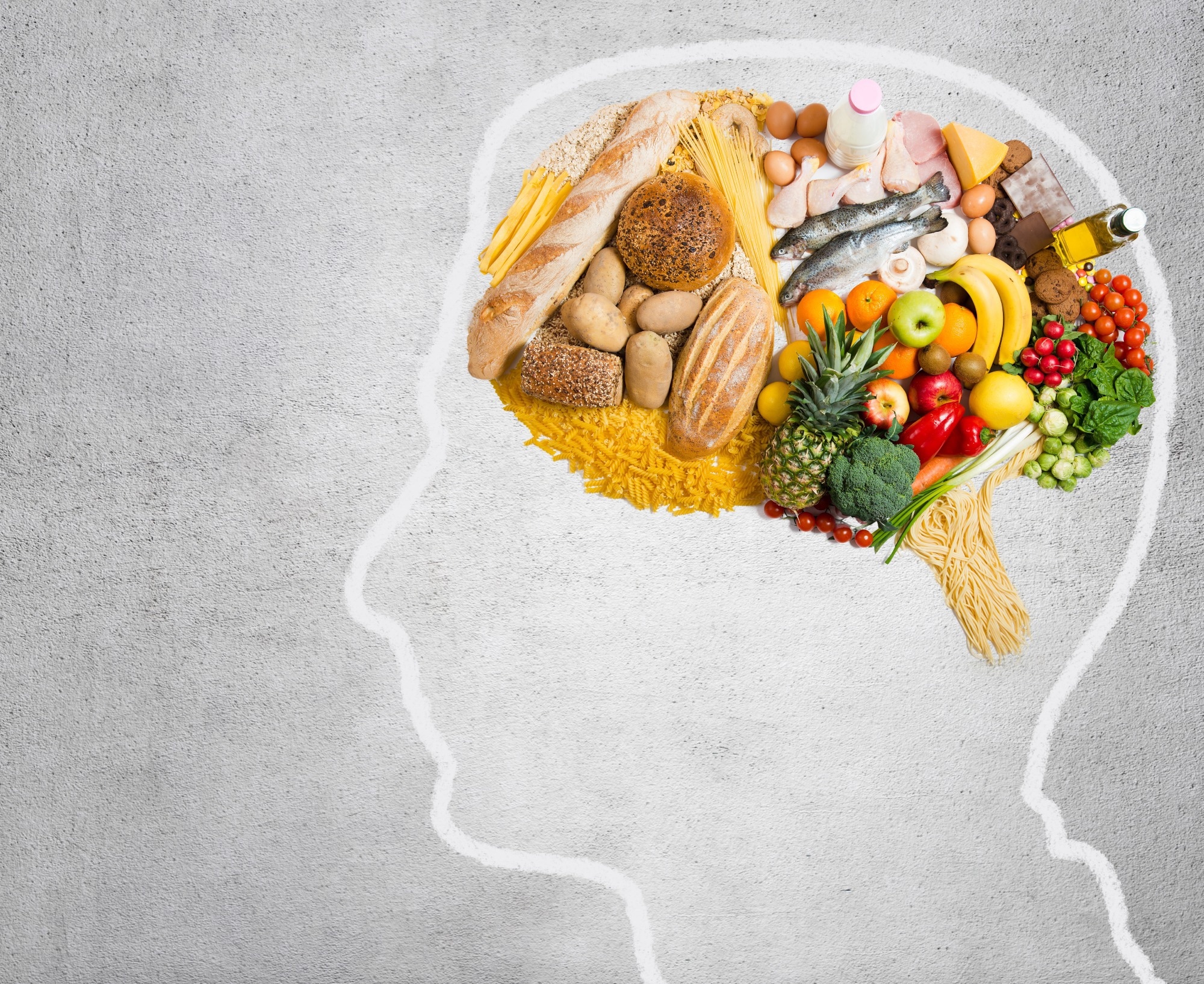
Study: Exploring the interplay between diet, obesity, mental health, and the gut microbiota: the MIND-GUT intervention study, study protocol. Image Credit: Tijana Moraca / Shutterstock
In a recent study protocol published in the journal Frontiers in Nutrition, researchers described an ongoing investigation into whether a Mediterranean-DASH Intervention for Neurodegenerative Delay (MIND) diet is practical, acceptable, and feasible for adults with obesity.
The results of this study will provide feasibility data and preliminary evidence to inform future trials examining links among diet, the gut microbiome, mental health, and obesity, thereby guiding strategies to promote physical and psychological well-being.
Obesity, Mental Health, and Diet Links
Mental health disorders and obesity frequently occur together and contribute substantially to both personal suffering and public health costs. The pathways linking these conditions remain unclear, but growing evidence suggests diet plays a meaningful role in both weight management and emotional well-being.
In Sweden, the prevalence of overweight and obesity has steadily increased over the past two decades, particularly among young adults. More than half of Swedish adults are now above a healthy weight, with marked differences across sex, country of birth, and education levels. These trends underscore the need for preventive strategies that address both physical and mental health.
Diet-induced weight loss has been associated with improved mood in people with obesity, but psychological benefits may also arise through diet–microbiota interactions. Dietary patterns shape the gut microbiome, which is involved in metabolic regulation and stress- and mood-related pathways.
MIND Diet Rationale and Components
The Mediterranean-DASH Intervention for Neurodegenerative Delay (MIND) diet prioritizes foods rich in antioxidants, fiber, and healthy fats that support cognitive and gut health. Rather than fully combining Mediterranean and DASH diets, the MIND diet selectively emphasizes components thought to benefit brain and metabolic health. If shown to be practical and acceptable, this pattern may support weight loss and mental well-being in Sweden.
Trial Design and Participant Eligibility
The MIND-GUT study is a randomized clinical trial with two arms: a MIND-diet intervention group and a control group receiving standard healthy-eating advice. A total of 126 adults aged 25 to 50 years with obesity will be recruited from primary care clinics and the community in the Västra Götaland Region of Sweden. The sample size allows robust feasibility estimates while accounting for expected dropout.
Participants must have a body mass index (BMI) of at least 30 kg/m², internet access, and willingness to complete all procedures. If recruitment is challenging, the BMI threshold may be lowered to 27 kg/m². Exclusion criteria include conditions or treatments that could interfere with dietary change, gut microbiota composition, or mental health outcomes, such as use of weight-loss medication, diabetes, or polycystic ovary syndrome. Ethical approval was obtained, and informed consent procedures emphasized privacy and autonomy.
Intervention Delivery and Data Collection
At baseline and at 12 weeks, trained staff will collect physical measurements including weight, height, body composition, blood pressure, and waist and hip circumferences. Participants will complete online questionnaires assessing demographics, lifestyle behaviors, psychosocial well-being, eating attitudes, gut symptoms, and dietary intake.
Mental health outcomes are assessed using validated self-report instruments measuring anxiety, depressive symptoms, and perceived stress rather than clinical diagnoses. Adherence is measured using a simplified food checklist targeting key MIND diet components at baseline, week 6, and week 12.
Intervention participants receive a structured MIND-diet meal plan emphasizing leafy greens, berries, olive oil, whole grains, legumes, nuts, poultry, and fish. Daily energy intake is capped at 2,300 kcal for men and 1,900 kcal for women. Control participants receive standard dietary advice aligned with Swedish guidelines without targeted MIND components.
Both groups are encouraged to limit alcohol and avoid soft drinks, and both receive regular reminders, newsletters, and consultations to support retention. After 12 weeks, participants complete qualitative interviews exploring acceptability, barriers, and suggestions for improvement.
Microbiome Sampling and Study Outcomes
Participants provide stool samples at baseline, week 6, and week 12 to capture microbiome dynamics. Samples are stored at home and deferred if there is a recent illness, fever, diarrhea, or antibiotic use that could affect results. Laboratory processing is randomized to reduce batch effects.
Primary outcomes include adherence, retention, and acceptability. Secondary outcomes include changes in gut microbiota, anxiety, depressive symptoms, perceived stress, weight, fat mass, waist-to-hip ratio, and BMI. Analyses are exploratory and intended to inform future efficacy trials.
Public Health Relevance and Future Directions
This protocol evaluates whether a MIND-diet–based intervention can be realistically implemented in adults with obesity, a necessary step before scaling interventions targeting both physical and mental health.
If feasible, this approach could inform personalized dietary strategies and public health policies promoting brain-healthy eating. By integrating diet quality, emotional well-being, and gut microbiota, the study aims to provide foundational evidence for future large-scale trials addressing multiple dimensions of obesity-related health.
Journal reference:
Gustafson D, Rothenberg E, Steingrimsson S, Carlsen HK, Belloni F, Eruvuri N, Knez R, Olsson E, Burk RD, Cena H, De Giuseppe R, Tognon G (2025). Exploring the interplay between diet, obesity, mental health, and the gut microbiota, the MIND-GUT intervention study, study protocol. Frontiers in Nutrition. 12. DOI: 10.3389/fnut.2025.1703255, https://www.frontiersin.org/journals/nutrition/articles/10.3389/fnut.2025.1703255/full