
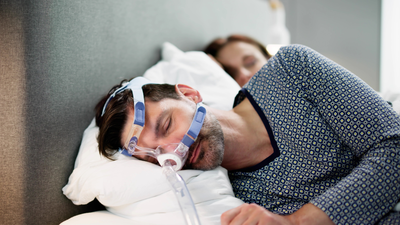
 Sleep apnea can be quite an unnoticed problem, but recent studies conduct research on how it might actually be more related to mental health problems than expected. A recent study conducted under the Canadian Longitudinal Study on Agingindicates how being at high risk for sleep apnea affects mental health among middle-aged and older populations. We should keep reading for more information on how unseen things sometimes impact our health as well.
What is sleep apnea
Obstructive sleep apnea occurs when throat muscles relax excessively during sleep and prematurely halt breathing. The effects of this – occurring hundreds of times a night – contribute to low oxygen and sleep fragmentation.Millions possibly go undiagnosed in a country like India, where stressful city lifestyles and obesity contribute to a lot of cases simply being dismissed as signs of aging and tiredness. The STOP-Bang and STOP questionnaire includes observations on snoring, tiredness, breathing cessation, and subsequently high blood pressure to easily identify cases needing further attention with a score higher than 2.
What is Obstructive Sleep Apnoea (OSA) and why is it concerning?
The findings of this study
 Researchers analyzed over 30,000 Canadians aged 45 to 85, tracking them for about three years. At the start, 24 percent were at high OSA risk, and 34 percent showed poor mental health, defined by depression scales, distress scores, diagnosed conditions, or antidepressant use.Those at high OSA risk had 40 percent higher odds of poor mental health right away, even after accounting for factors like age, smoking, and other illnesses (odds ratio 1.39).Over time, the link held strong: high-risk folks without initial issues faced 20 percent higher odds of developing mental health problems–and combined analysis showed 44 percent higher odds overall.
Mental health connections
 Depression and mood disorders showed the strongest ties, with anxiety and general distress also elevated.Poor sleep from OSA triggers brain oxygen shortages (hypoxemia), inflammation, and constant wake-ups that mimic chronic stress, wearing down mood regulation over time.Earlier studies back this up: people with OSA are twice as likely to have depressive symptoms, and the severity worsens the risk. In one U.S.analysis, sleep apnea patients had 1.36 times higher odds of depression after adjustments. For Indians, where diabetes and heart issues often overlap with OSA, this cycle hits harder, as poor sleep fuels metabolic problems that feed back into mental strain.
Why the link matters
Untreated OSA does not just tire you out; it sets the stage for new psychiatric issues, especially in later life. The study calls OSA a modifiable driver of psychological decline, urging doctors to screen mental health patients for sleep issues.Women might show subtler signs like insomnia or mood swings, delaying diagnosis.Globally, 936 million adults carry this burden, with 90 percent unaware, amplifying risks for everything from irritability to severe depression.
Spotting the signs
 Common flags include loud snoring, gasping awake, morning headaches, dry mouth–and falling asleep during the day. High blood pressure or family history raises suspicion too.Simple home tests or clinic sleep studies confirm it, especially vital for those over 45 or with extra weight around the neck.
Steps to take
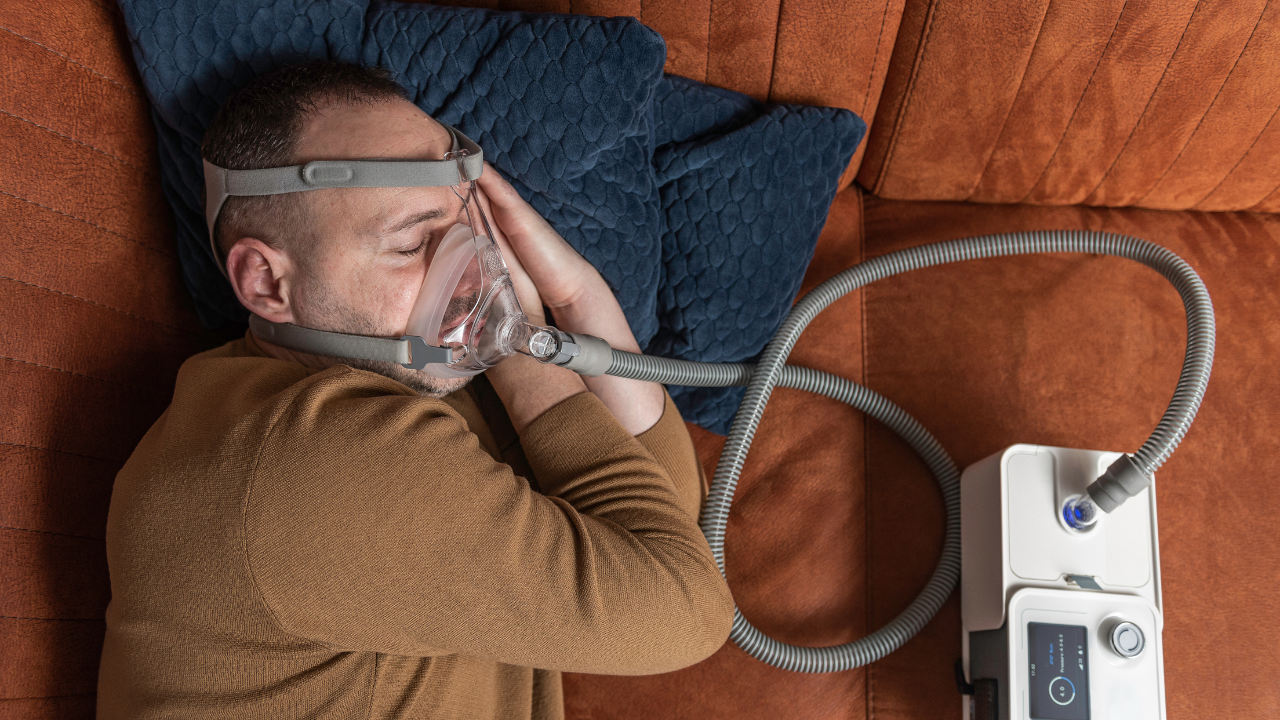
Lifestyle tweaks help first: lose weight if needed, avoid alcohol before bed, sleep on your side, and keep a regular schedule.CPAP machines, which deliver steady air pressure via a mask, cut apnea events by over 80 percent and often lift mood within weeks.Oral devices or surgery suit some cases. Doctors treating depression should ask about sleep; fixing apnea can reduce antidepressant needs–and sharpen focus.In India, affordable public health drives could screen high–risk groups like truck drivers or shift workers to curb this hidden threat.