
Oregon’s huge investments in addiction treatment beds began to pay off in 2025, when hundreds of new beds came online.
A 74-bed Portland residential treatment center opened in July in what used to be a high-end hostel. In August, a 40-bed Oregon City youth treatment center that gives summer camp vibes opened. And Washington County’s new 48-bed Beaverton Recovery Center opened in October as part of a new treatment system there.
The new facilities address a desperate need in Oregon by providing non-hospital treatment for people addicted to one or more substances who may also have a mental illness diagnosis. There is a separate goal for building safe places to go through withdrawal. But the residential beds fill a critical niche in addiction treatment: 24/7 long-term care until patients are stable enough to live more independently.
“What we’re really seeking to do is provide wrap-around care for people who fall through the cracks,” said Aja Stoner, senior director for behavioral health at the new Portland facility.
In all, 210 new substance use residential treatment beds were opened statewide in 2025. And at least 350 more have been funded and are set to open by the end of 2027, according to the Oregon Health Authority and the governor’s office. On top of existing resources, that will land the state just over halfway to its goal to have 3,774 addiction treatment beds by 2029.
Much of the progress is due to a concentrated effort by Gov. Tina Kotek, who has made fixing the state’s tattered behavioral health system a top priority. Under her leadership, the Legislature gave bipartisan support to bills that allocated tens of millions in funding and the state health authority has disbursed it to residential addiction treatment projects, nearly all of which have had to find money from multiple sources to build the expensive new facilities.
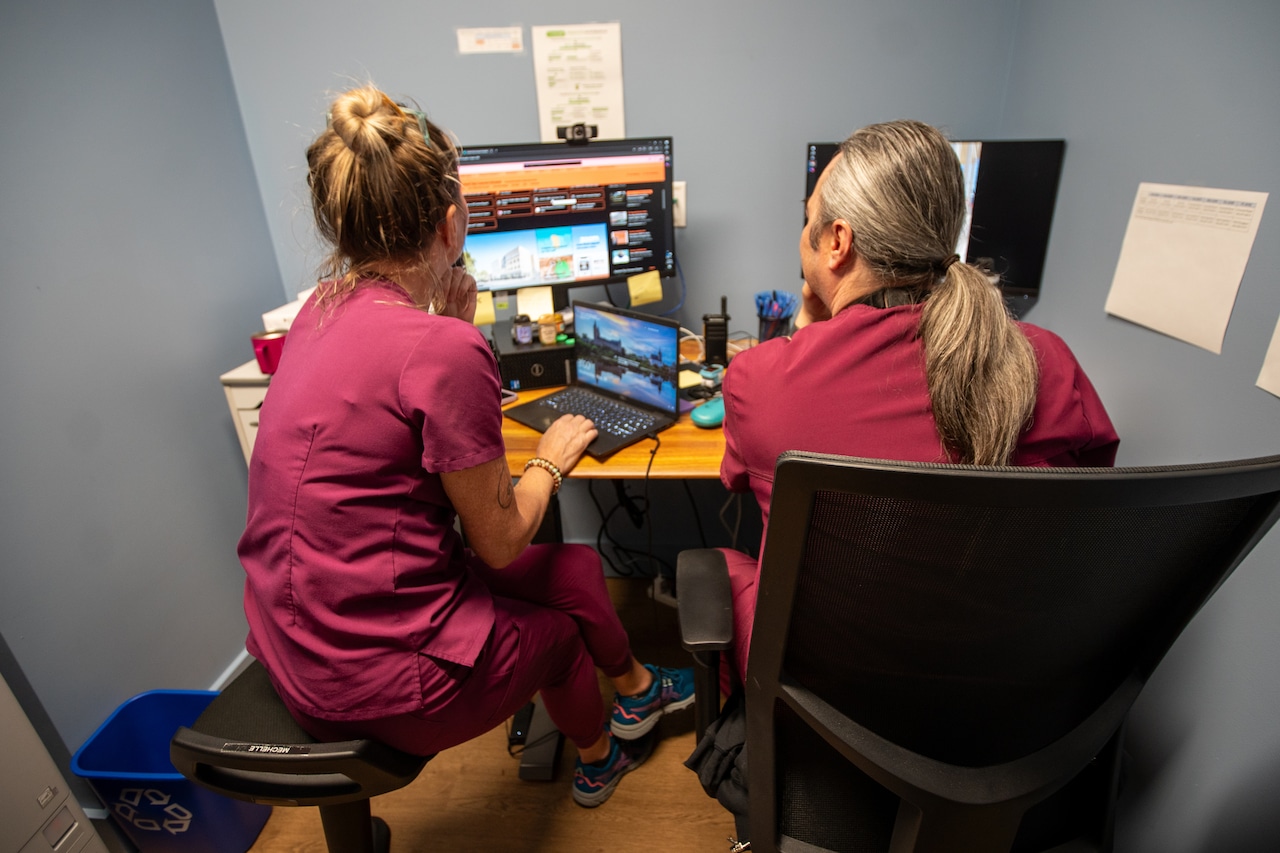 Staff members work in a office space at the 16 x Burnside Recovery Center in Southeast Portland. Mark Graves/The Oregonian
It hasn’t been easy.
“Oregon’s behavioral health system is pushing a boulder up a hill from past underfunding, inconsistent focus, and other entrenched issues that contribute to people’s health and wellness,” Kotek wrote The Oregonian/OregonLive in an email. Kotek, a Democrat, is running for a second term in 2026.
But despite her efforts and those of many state leaders and behavioral health advocates on both sides of the aisle, that boulder does not appear likely to crest the hill on schedule, according to Kotek’s behavioral health adviser, Amy Baker. She said Oregon’s progress will be slowed by the sluggish local economy and federal policy changes that are expected to reduce funding for mental health care.
“We have a couple other opportunities on the horizon, but we’re probably not going to hit that number,” Baker said of the 3,774 goal.
Oregon doesn’t have enough beds
Oregon has long been short of residential mental health care beds. Like much of the rest of the country, the state emptied its psychiatric hospitals in the 1960s and ‘70s with an eye to offering mental health care on an outpatient basis in the communities where people lived. That second system never materialized. State leaders failed to invest just as federal financial support waned.
After the pandemic, the crisis accelerated. Fentanyl use was rampant, both as a stand-alone addiction and as a sneaky filler in other drugs. Treatment options were scarce and the state’s collective mental health was at a low point.
1/19
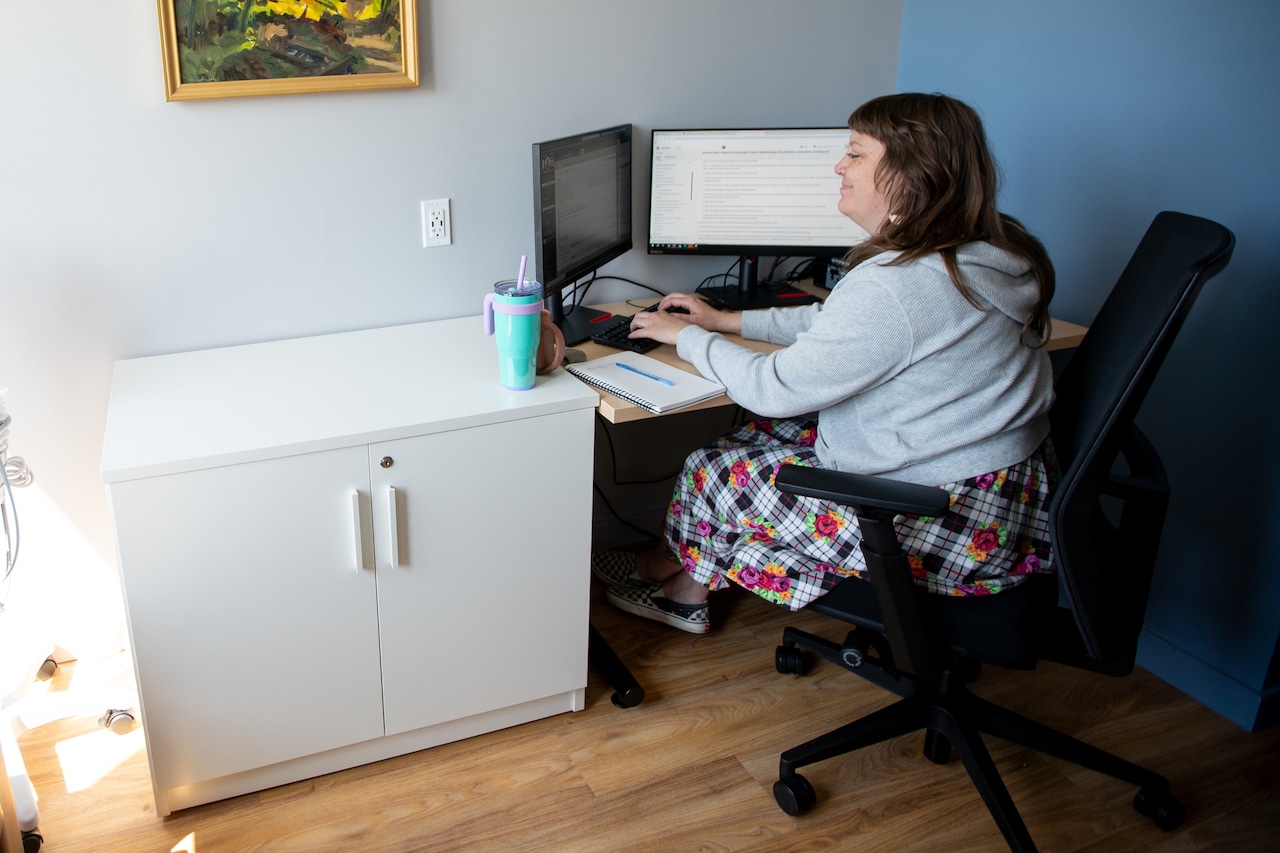
16 x Burnside Recovery Center 2025Mark Graves
Three years later, Oregon still ranks dead last for its rate of mental illness, including substance use disorder, according to Mental Health America’s 2025 report. In Oregon, 30% of adults said they experienced some level of mental illness in the past year. And yet, the same report places Oregon seventh in its ranking of access to care, a jump from 19th in 2022.
Rankings, of course, are relative. Oregon has the 13th lowest percentage of people with substance use disorder who need but do not receive treatment, according to the 2025 report. However, the details behind that relatively positive ranking are discouraging: Three-quarters of Oregonians who need treatment don’t get it. Sadly, that’s two percentage points better than the national average. California ranks last, at 82%.
Still, Oregon leaders are finally investing in solutions. And despite evidence that statewide systems for responding to mental health crises and funding substance use recovery remain deeply fractured, progress has been made.
But now, federal support is again on the downturn.
President Donald Trump’s cuts to Medicaid funding that are expected to go into effect in 2027 make meeting the ambitious targets to revamp the state’s mental health care system seem unlikely, Baker said. While the new facilities will be mostly built by then, there may not be enough money to pay medical staff without sufficient Medicaid reimbursements. State health officials have warned that the new federal mandates could strip coverage from as many as 200,000 Oregonians.
“The ability to sustain ongoing operations given what the federal government is doing to Medicaid is very worrisome,” Baker said. Of particular concern to her is the late 2026 requirement that people qualify for Medicaid every six months, rather than every two years as Oregonians do now. “It’s hard to build a treatment service continuum. It is very hard if people are going to keep falling on and off Medicaid.”
Andy Mendenhall, executive director of Central City Concern, said that despite the political headwinds, the work must continue. As it is, he said, too many people are left without the treatment they so badly need, adding to the area’s homelessness crisis and overburdening the region’s health care system.
Thousands need more treatment
In 2024, nearly 7,000 people in the tri-county area had some combination of at least two of the following: a meth addiction, a fentanyl addiction or psychosis. That’s according to data from Health Share, which provides insurance for the vast majority of Medicaid-covered patients in the region. Another nearly 20,000 people had just one of those three conditions, according to Health Share.
As a group, the people with any of these disorders made up just 9% of everyone on Medicaid that Health Share served in 2024. And yet, they accounted for 29% of the costs and 39% of the hospital admissions that year.
“We’re basically paying for the complications of under-treated, under-managed substance use and homelessness,” Mendenhall said.
Mendenhall’s organization, Central City Concern, is the larger nonprofit behind the new Portland addiction treatment facility known as 16 x Burnside Recovery Center that opened this summer.
Stoner and Sarah Spofford, who co-lead 16 x Burnside had been looking for a location for the new facility for almost a year when they got the call from their real estate agent to come see a hostel that was in foreclosure on Southeast 16th Avenue and East Burnside.
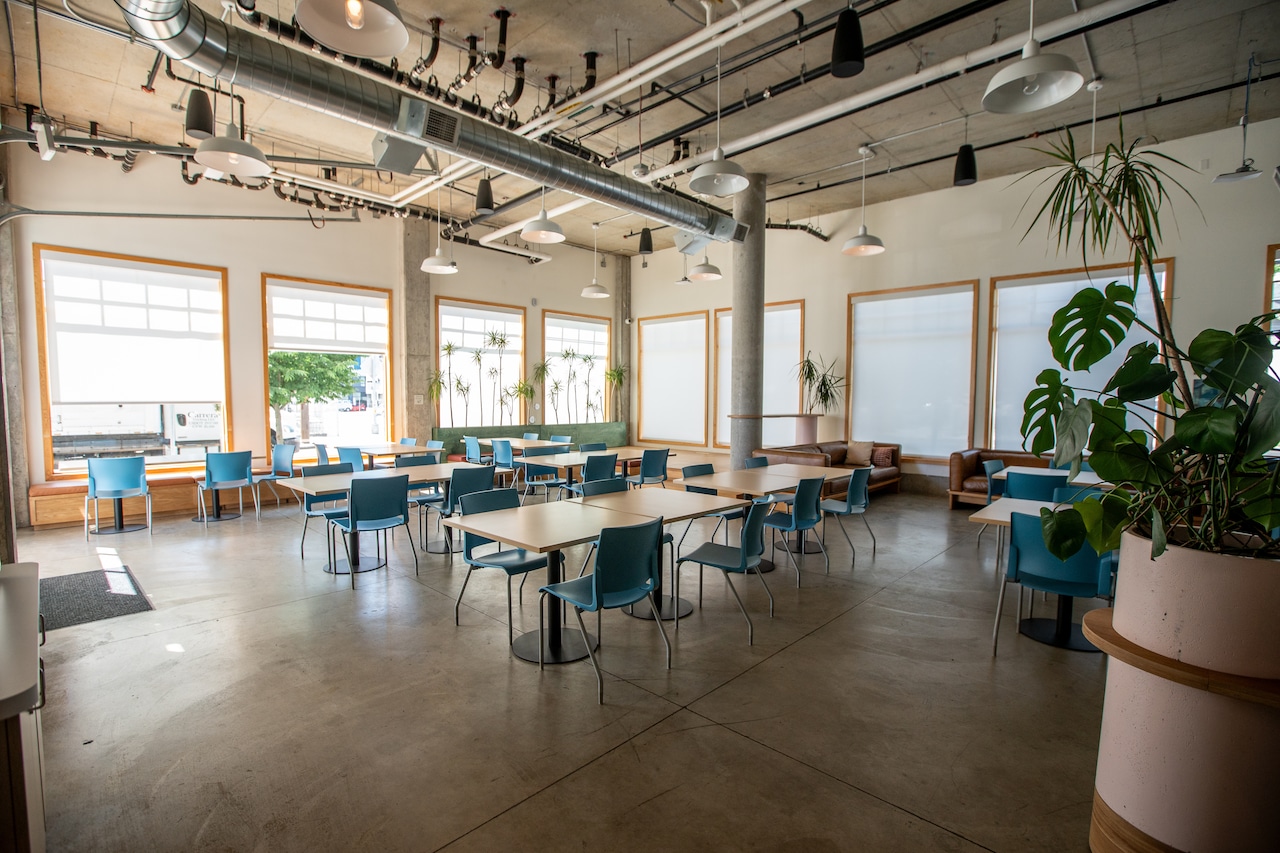 The cafeteria and lobby area at the 16 x Burnside Recovery Center in Southeast Portland includes tables, chairs and natural light. Mark Graves/The Oregonian
Both had worked at Hooper Detoxification Stabilization Center, a Northeast Portland facility also run by Central City Concern, and knew their patients there needed more help if they were going to be successful. They kept seeing people come to Hooper, complete the painful detox process, then land back on the street or in an independent housing unit they were not prepared to maintain. They’d often cycle back through Hooper again and again with the same result, Stoner said.
In 2021, they conducted a survey. About 56% of their Hooper patients needed and requested residential services at discharge. But they were only able to place about 17% of that group in a residential program. Of the people who got denied, about a quarter were too sick for the existing supportive housing programs, but too well for hospital level care.
They got the go-ahead from Central City Concern to design a program they thought would fill the gap and then, eventually, found money for it, including about $13 million from the state.
“One of the great victories of 16 x Burnside,” said Mendenhall, “is that it was purpose built in partnership with funding from the state, the governor’s office, Oregon Health Authority, Health Share, CareOregon, Multnomah County and Portland to specifically address … people with severe mental illness and substance use disorder.”
But Stoner and Spofford still needed to find a place to build it, preferably in a central location, close to public transportation and other services. When they walked into the former hostel, they knew they were in the right place.
There was a commercial kitchen for preparing meals. The tables and chairs in the former restaurant area could become the dining room. The rooms all came with their own bathrooms and sinks, making them perfect private spaces for people in recovery from both substance use and the trauma of homelessness to get used to living independently again. There were even usable mattresses in most rooms.
“It was like a fire sale,” said Laura Recko, a Central City Concern spokesperson. “Everything was still here – dishes, food…. There were even cornhole things in the hallway.”
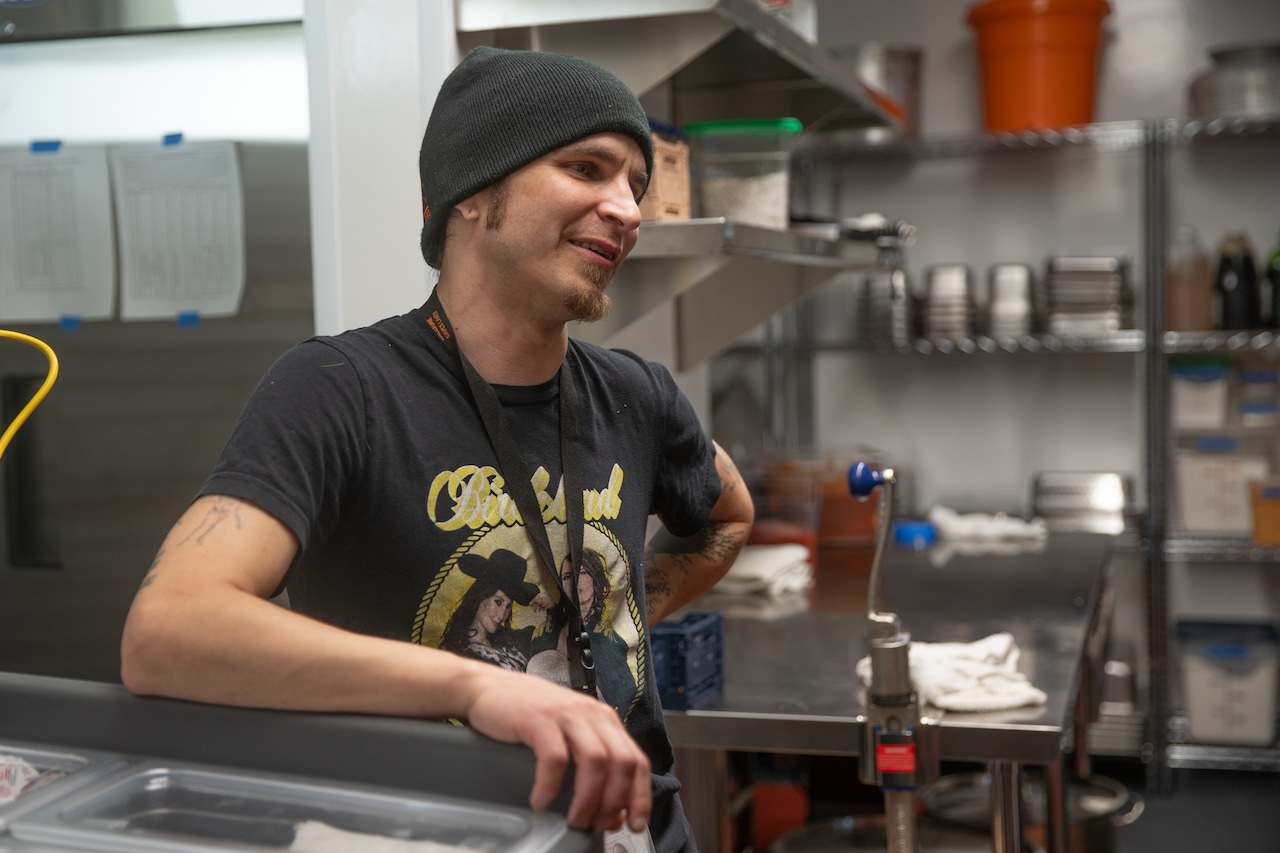 Ryan B., a cook with Central City Concern, stands in the kitchen at the 16 x Burnside Recovery Center in Southeast Portland on May 28, 2025. The facility includes an on-site commercial kitchen to support residents during their stay in the 74-bed treatment program.Mark Graves/The Oregonian
Moreover, there were plenty of community spaces for both residents and staff. Sometimes, one of the biggest issues with subsidized housing, especially for people who have been homeless like most of Stoner and Spofford’s patients, is the isolation. And staff, who work with people who have incredibly challenging needs, also need space at work to decompress. For that, Stoner and Spofford chose the upper floor and gorgeous rooftop deck.
New facility, but staffing struggles
Stoner and Spofford designed 16 x Burnside to serve people who also have mental illnesses, including anxiety, depression, bipolar disorder and psychosis.
“The recovery path is long,” said Stoner, who explained most of their patients also need help to regain daily living skills, like grocery shopping and budgeting.
“The skills training and the stability,” she said, “it takes a while to gain that and then sustain that.”
Since 16 x Burnside opened, it has served 135 patients and it is not yet at full capacity. As part of a planned ramp up, Stoner expects all 74 beds to be staffed and filled by the end of January. To get there they need 68 full time staff members, a total they had not quite reached by mid-December. The biggest challenge, she said, has been finding qualified technical assistants to work the overnight shifts necessary to provide round-the-clock care.
Indeed, the state’s behavioral health workforce is currently too small to sufficiently staff even the current system and needs to grow to realize the governor’s vision for a more functional mental and behavioral health system in Oregon.
But for the leaders of the newly opened treatment facilities, it is a relief to be doing something for at least some of the people who need it.
“At Hooper, we take everyone, we love everyone,” Stoner said. And now, they have 16 x Burnside to offer, she said, “for people who need support, need to be seen, need to be heard and need to not be forgotten.”
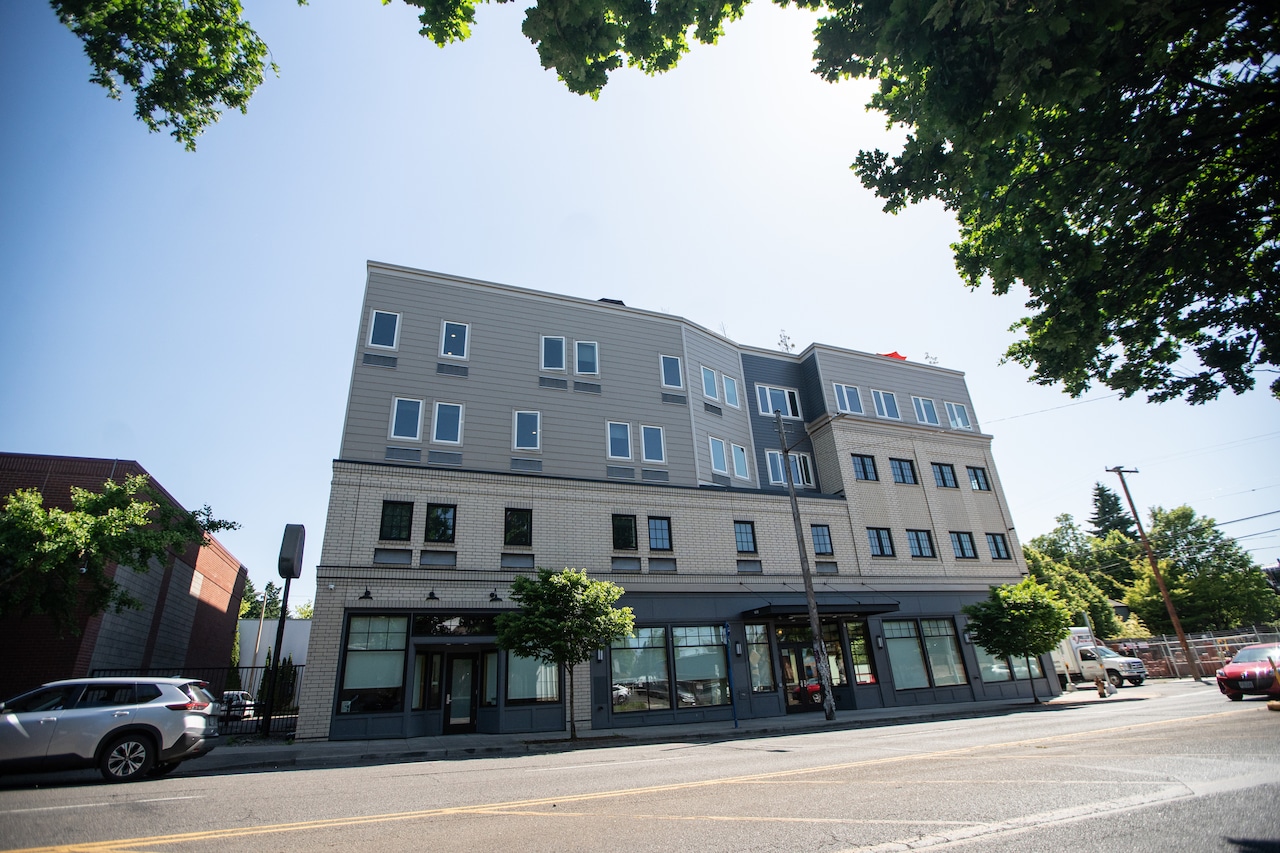
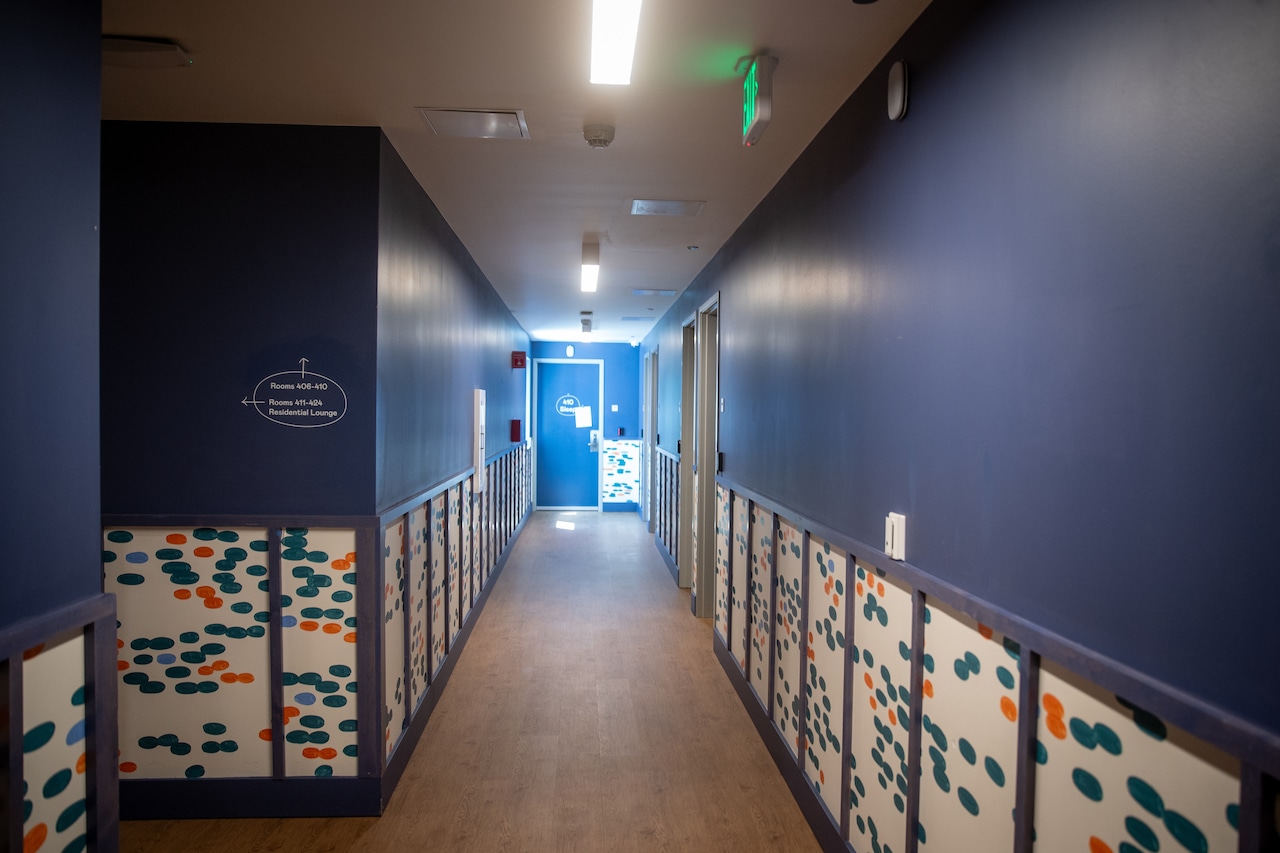 Central City Concern’s new 16 x Burnside Recovery Center is pictured on May 28, 2025, at Southeast 16th Avenue and Burnside Street in Portland. The facility adds 74 in-patient treatment beds for adults living with severe substance use disorder and mental health conditions. CCC purchased the building in late 2023 with support from multiple government and health care agencies.Mark Graves/The Oregonian