
The state of Hawai‘i was awarded $188.9 million to strengthen rural health care throughout the islands.
Money was awarded through the federal Centers for Medicare & Medicaid Services’ Rural Health Transformation Program as part of a $50 billion national investment to strengthen rural healthcare in all 50 states.
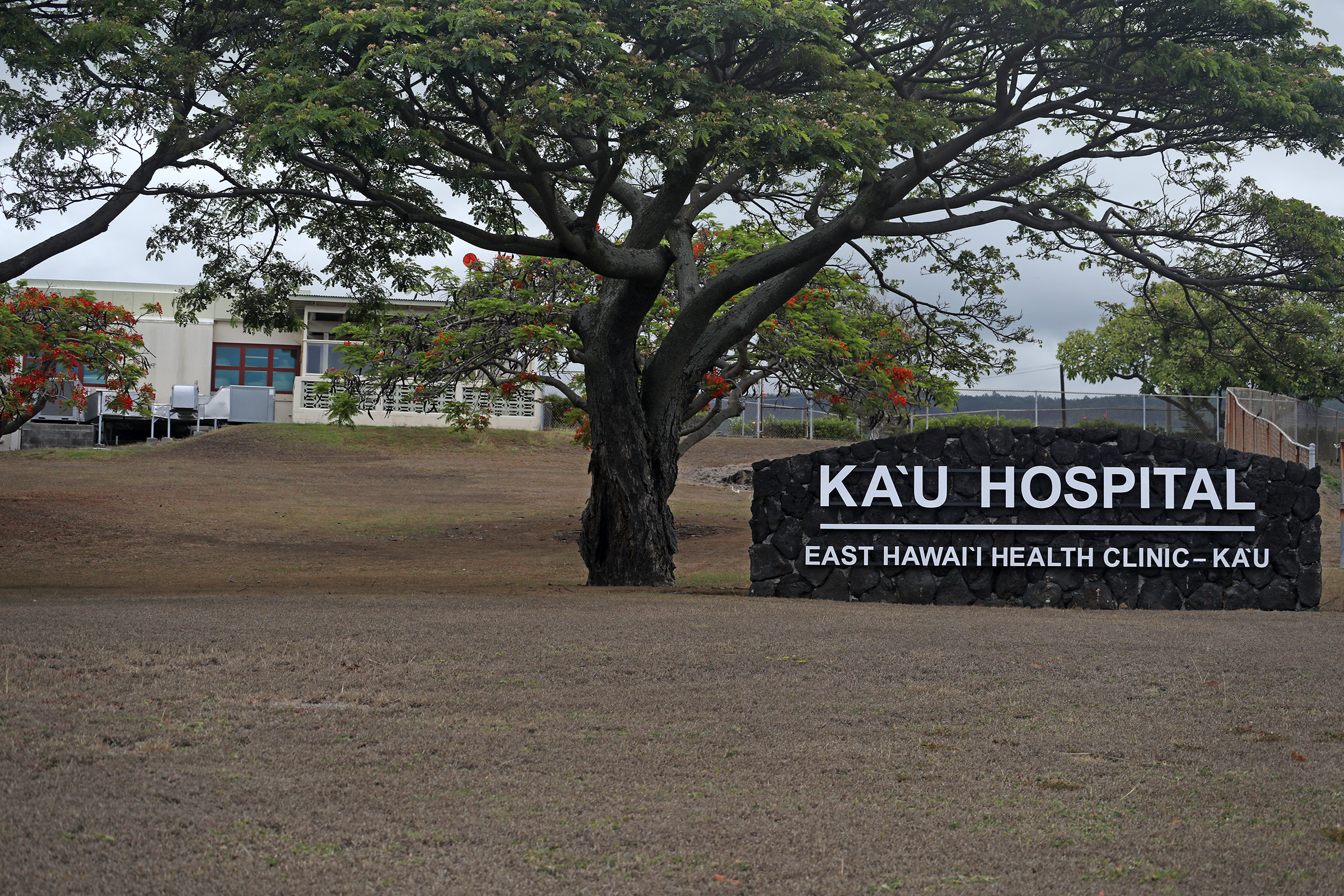 Kaʻu Hospital and the East Hawaiʻi Health Clinic Kāʻu (Kelsey Walling/Big Island Now)
“This investment allows Hawaiʻi to finally close the distance between rural communities and the care they deserve,” said Gov. Josh Green. “Whether someone lives in Hilo, Hāna, Hanapēpē or Molokaʻi, they should have access to quality primary care, behavioral health services, emergency response and modern technology, not just those who live in Honolulu.”
When evaluated on a per-rural-resident basis using federal rural population data, Hawaiʻi’s funding translates to one of the highest levels of investment in the nation, per capita, according to a news release from the governor’s office on Tuesday.
ARTICLE CONTINUES BELOW ADARTICLE CONTINUES BELOW AD
The award will support implementation of the Hawaiʻi Rural Health Transformation Plan, a five-year strategy to modernize healthcare delivery across Hawaiʻi’s rural and neighbor-island communities, where 95.1% of the state’s land area is rural and access to care is limited by geography, workforce shortages and infrastructure gaps. The $188,892,440 award covers federal fiscal year 2026 and represents the first year of funding, with additional annual awards expected through 2030.
“Healthcare services in Hawaiʻi are heavily concentrated on Oʻahu, leaving rural residents to travel long distances for specialty care, behavioral health services and emergency treatment,” the release stated. “At the same time, rural hospitals and clinics face rising costs, staffing shortages and outdated digital systems that limit their ability to serve patients.”
Recognizing the urgency of Hawaiʻi’s rural healthcare challenges, the Governor’s Office launched a statewide planning effort in July 2025 that centered on community input. Healthcare leaders, providers and residents across the islands contributed ideas and feedback through meetings and the Engage Hawaiʻi website, helping shape a rural health transformation plan grounded in local needs and community priorities.
ARTICLE CONTINUES BELOW AD
The resulting plan centers on six coordinated initiatives:
Rural Health Information Network (RHIN) — A statewide digital backbone linking rural hospitals, clinics and health centers through interoperable electronic health records, wireless networks and shared data hubs.
Pili Ola Telehealth Network — A statewide telehealth system connecting rural communities to providers while expanding virtual care and telehealth training.
Rural Infrastructure for Care Access (RICA) — Expansion of emergency medical services, mobile healthcare, community paramedicine and behavioral health capacity in rural areas.
HOME RUN (Hawai‘i Outreach for Medical Education in Rural Under-resourced Neighborhoods) — A workforce pipeline providing training, residencies, scholarships and mentoring to recruit and retain rural healthcare professionals.
Rural Respite Network — Expansion of the medical respite model to rural communities to reduce avoidable hospitalizations among unhoused and post-acute patients.
Rural Value-Based Innovation and AHEAD Readiness Fund — A competitive fund to help rural providers adopt innovative, value-based care models and prepare for CMS’ AHEAD payment system.
The Governor’s Office will coordinate with the Centers for Medicare & Medicaid Services, state departments, healthcare providers and community organizations to implement the plan’s transformational improvements in access, quality, workforce stability and system sustainability across rural Hawaiʻi.
“This is how we turn federal dollars into real results for real people,” Green said. “Stronger emergency response, better mental healthcare, modern digital systems and a local workforce trained to serve their own communities, that’s what this funding makes possible.”
ARTICLE CONTINUES BELOW AD
The state will review approved uses of funds once released. More information on full program details and allowable uses of funds will be released soon.