
The mental health and wellbeing of our youth is among the most pressing issues facing our society today, driven by factors ranging from academic and peer pressures, instability at home, economic uncertainty and overuse of devices. As a father of two teenage daughters, and as a student leader working with peers across the country, this issue is personal for both of us.
At a recent roundtable hosted by the Coalition to Empower our Future (CEF), we joined educators, mental health experts, clinicians and community leaders to discuss the many factors impacting youth mental health. What we heard was clear: Young people need comprehensive, thoughtful and lasting solutions that truly address the challenges they face.
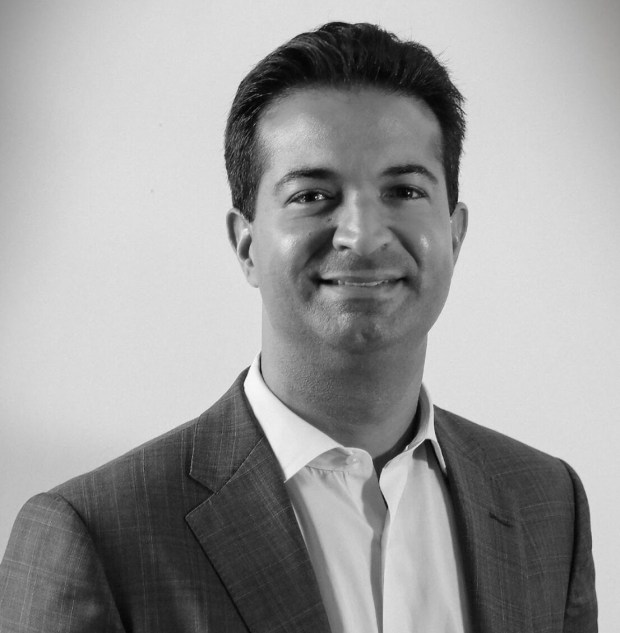 Former Congressman Carlos Curbelo is on the board of directors of the Coalition to Empower our Future. (courtesy, Carlos Curbelo)
Research from CEF underscores this urgency, showing that seven in 10 parents and voters support a comprehensive approach to the youth mental health challenge. Similarly, an August 2024 survey from Impact Research and Market Street Insights found that nine in 10 voters, across party lines, believe that expanding access to mental health care should be a priority for elected officials, showing that communities across the country believe that young people need more support.
But solutions will never be found through a narrow policy approach or a quick fix. They require a broad, sustained effort from all of us — parents, teachers, nonprofit leaders, health care professionals, policymakers and, importantly, young people themselves. We cannot afford to simply check off a box and move on.
As a society, we have made great strides in recognizing the importance of mental health, but a one-size-fits-all approach will miss the mark. Our solutions need to be just as diverse as the problems themselves. That begins with equipping parents and families with resources and education to recognize when a child is struggling, while also strengthening family and community involvement so challenges can be identified early.
It also means addressing the root causes, including poverty, food and housing insecurity, social isolation, academic pressures and lingering post-pandemic strain, so that our responses focus not just on symptoms, but on the environments young people are growing up in. And because every child’s experience is different, we must approach these challenges with the understanding that what works for one child may not work for another.
With these principles in mind, we can work to implement practical solutions that meet children where they are. Expanding access to mental health programs and integrating behavioral health into pediatric and primary care settings ensures children get help when they need it.
 Carson Domey is the executive director of the Coalition for Student Wellbeing. (courtesy, Carson Domey)
Schools should be equipped with the tools to teach media literacy and emotional regulation, while after-school and community programs need to have the resources to continue providing kids with mentors, creative outlets and spaces for connection.
Coaches can receive training and guidance to use the soccer field, or any activity, as an opportunity to teach larger life lessons.
Families can help normalize conversations about mental health and wellbeing to help children develop coping skills and know when to speak up.
These may not always be seen as traditional mental health solutions, but they are essential for building resilience in the next generation and providing the outlets, support and compassion children need.
The good news is that we know these solutions are already being delivered in schools, community programs and youth organizations across the country. The task now is to strengthen them, coordinate them and make them more accessible for children and families to access. We can all contribute to alleviating this challenge.
Every individual can make a difference in the lives of our children, whether through simple acts of kindness, being more present in kids’ lives or investing in organizations that are working to foster social connectedness. By working together as parents, families and communities, we can build a future where every young person has the support they need to thrive.
Carlos Curbelo served as a former member of the U.S. House of Representatives in Florida’s 26th District and is on the board of directors of the Coalition to Empower our Future. Carson Domey is the executive director of the Coalition for Student Wellbeing, which is a member of Coalition to Empower our Future.