
Happy love / friendship / warm regards / commercial exploitation of affection season, everyone! This Mental Health Monday (at least in American Samoa!) let’s break down the difference between love and codependency (and abuse), using various hymn examples and others from church.
However, let’s start by ruining this iconic photograph celebrating V-J Day (the end of WWII).
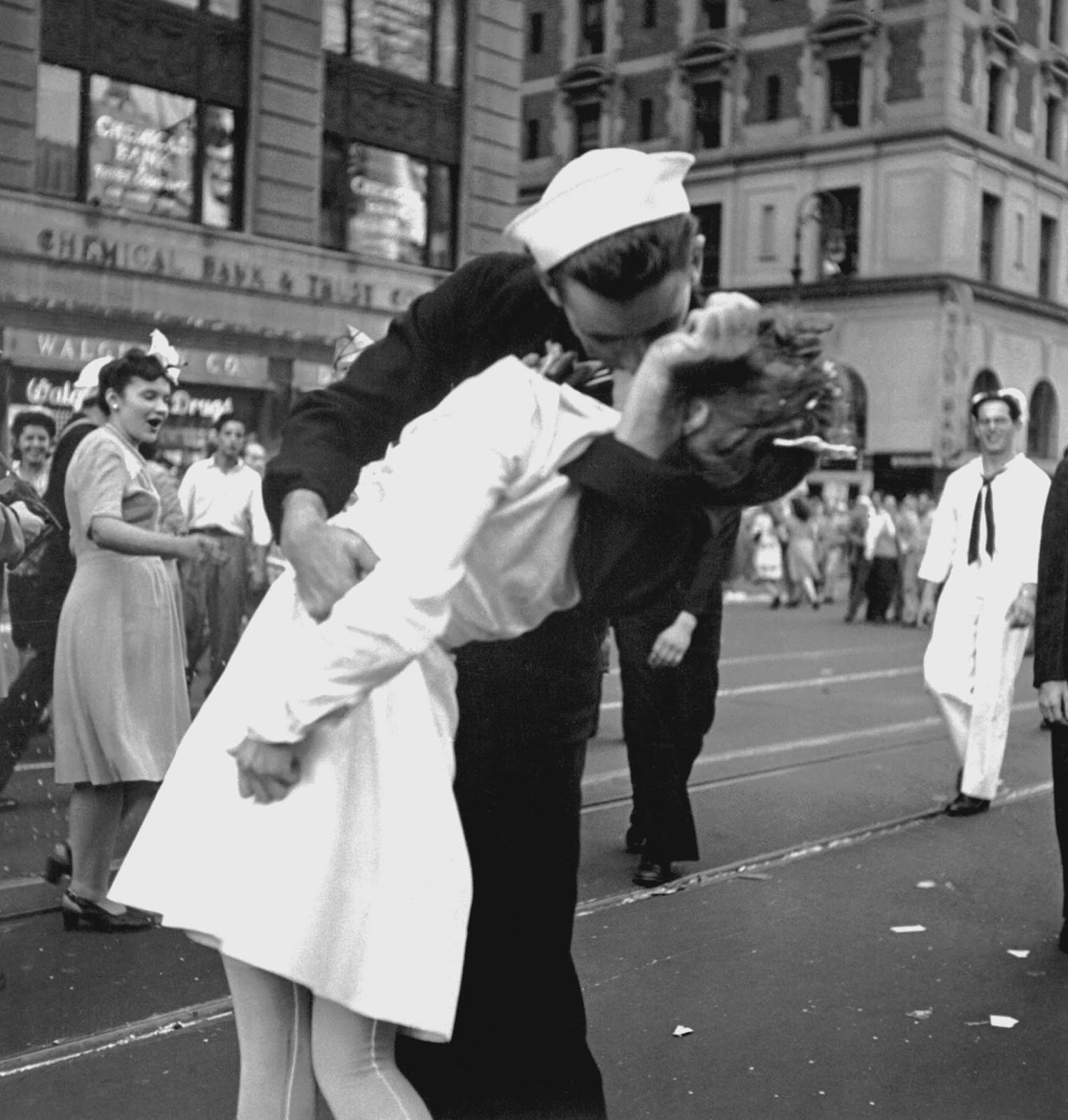 The link above tells the story, but in this photo we witness nothing more or less than the assault of a random dental hygienist by a random drunk sailor. So why did so. many. women. step forward claiming to be the victim of assault in this picture? Why did so. many. men. step forward claiming to be the assailant?
Because this photo represents the ultimate triumph of romance over discord — which, culturally speaking, we seem to have decided is a close-enough approximation for the triumph of love over hate.
In this vision of romance: a victorious person wielding power and control sweeps their accommodating counterpart off of their feet –that person accommodatingly surrenders. Everyone rejoices and lives happily ever after.
Read that again, with a little more heteronormative flair: he overpowers and controls; she surrenders and accommodates.
That’s the romance this photo idealizes. This photo can’t tell us anything about love. But its can speak to a codependent/abusive dynamic, that, in our romanticized cultural and religious contexts, we often mistake for love.
Codependency: The Need To Be Needed
Have I done any good in the world today? Have I helped anyone in need? Have I cheered up the sad, or made someone feel glad? If not, I have failed, indeed. [Link]
Have you ever felt like every person’s life has intrinsic worth and inherent meaning…except your own? That the value of your life has to be earned by how generously you give of it to others?
I take no issue with unbolded lyrics in this hymn. It’s good to do good.
But let’s zero in on the bolded words for a minute. Is the singer of this hymn motivated to do all this good by love for their fellow human? No. The good that codependence does is motivated by fear: fear of not being given meaning by others if they don’t erase themselves and accommodate others’ comfort as a rescuer, savior, angel, or martyr. Fear of harm if they don’t accommodate.
After all, codependence says, if someone is sad and you didn’t cheer them up, their sadness is your sin. If someone doesn’t feel glad, you have failed, because you could and should have made them feel glad.
This may sound familiar as the idealized stereotype of moral uprightness and purity in both LDS and Western culture. This is especially true for women, but men aren’t exempt. Anticipating his martyrdom, Joseph Smith reportedly said that “if my life is of no value to my friends, it is of no value to me.”
In his own eyes, his life had worth and meaning only to the degree it was conferred upon him by his utility to his friends.
Abuse: The Need To Need
We are all enlisted till the conflict is o’er;
Happy are we! Happy are we!
Soldiers in the army, there’s a bright crown in store;
We shall win and wear it by and by. [Link]
If codependency comes from a desperation to accommodate, abuse comes from a gnawing hunger to extract. Specifically, to extract through power and control. When we abuse the earth, we extract (without replenishing) resources that will build our power and control. When we abuse substances, we extract a sense of power and control over our lives and wellbeing.
Take a look at the bolded words in this hymn. Is the singer motivated by love of God and their fellow humans? No. They are motivated by conquest: the power of winning –and the control of wearing– a bright crown extracted from God.
And just like it’s good to do good, salvation is a victory. But victory won through extracting power and control is motivated by fear — a fear of impotence — not love. An abusive person’s sense of their own value isn’t innate; it’s earned by how much power and control they can coerce, or extract, from others.
Love: The Need to See and Be Seen; Know and Be Known
He answers privately, reaches my reaching
In my Gethsemane, Savior and Friend.
Gentle the peace he finds for my beseeching.
Constant he is and kind, Love without end. [Link.]
…Or…
Abide with me; ’tis eventide.
Thy walk today with me
Has made my heart within me burn,
As I communed with thee.
Thy earnest words have filled my soul
And kept me near thy side. [Link.]
…Or…
Love is patient, love is kind. Love does not envy, it does not boast, it is not proud….
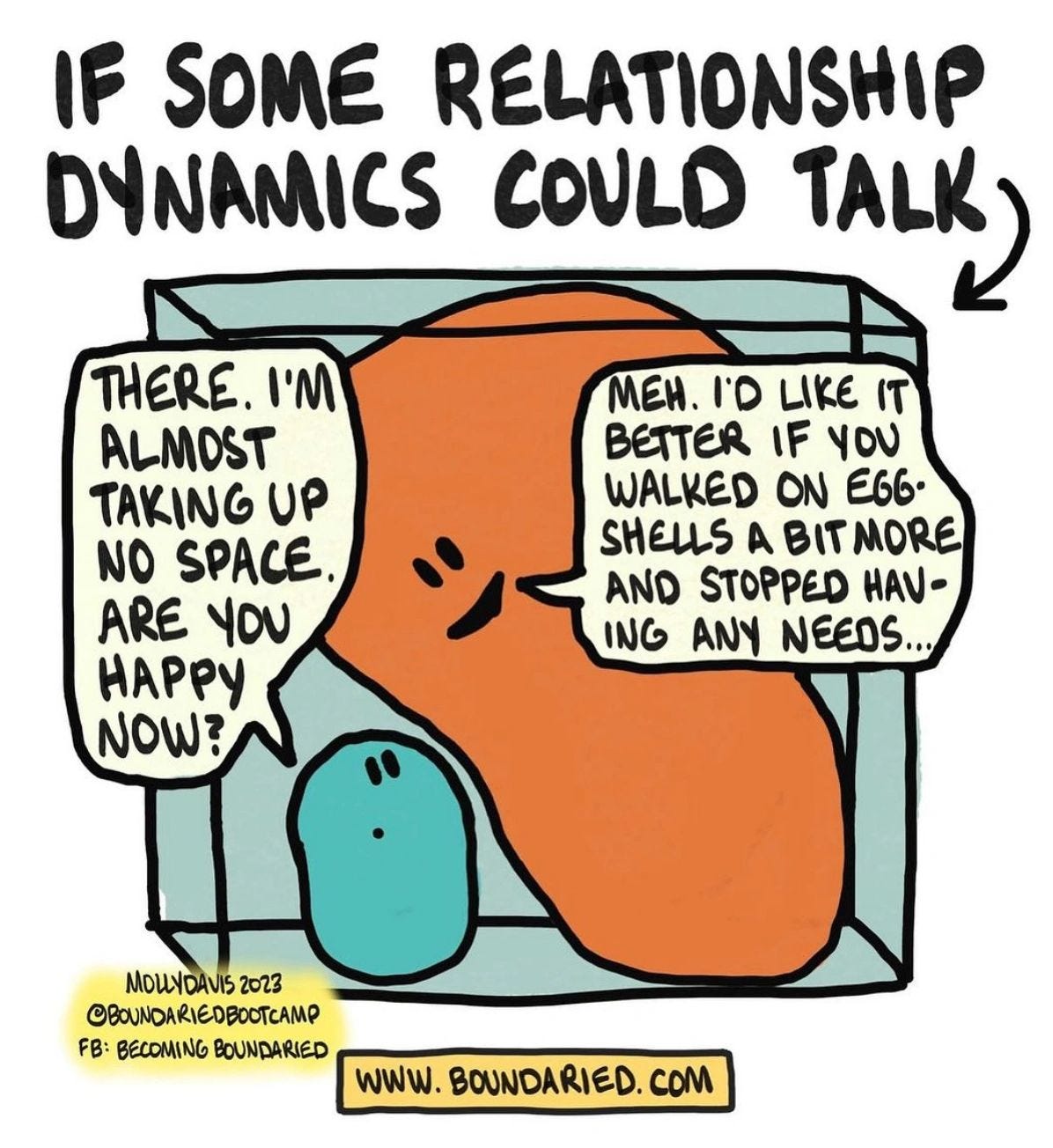
Love, on the other hand, subverts all of the expectations built by these ideas of romance, with its dynamics of codependency and abuse.
Where romance is born of a longing to be filled through or by another person… love is born of security and confidence. [1]
Where romance holds one person responsible for the wellbeing and comfort of another… love assigns appropriate responsibility.
Where romance is fueled by isolation and uncertainty… love is fueled by connection and authenticity.
Where romance relies on inequality in worthiness and/or power… love welcomes others into relationship as they are.
Where romance may try to mask weakness through the projection of power or self-sacrifice… love displays strength through vulnerability.
Where romance is fragile and prone to feelings of impending disaster… love is resilient and does not alter when it alteration finds.
Romance answers our fears of meaninglessness in all the vastness of the world. Love identifies meaning intrinsic to us we can bring to the world in all its vastness.
Romance reflects our needs to need and be needed. Love reflects our needs to see and be seen; to know and be known.
Questions:
When have you felt a drive for power/status? A need to accommodate? How were those experiences similar/different?
When have you felt the need to know and be known? How did you meet that need?
Do you agree with my separation of love and romance? Why/why not?
What differences have you noticed between vulnerability and weakness? Between power and strength? Between generosity and self-erasure? How have these played out in your life?
[1] Sometimes called an internal (love) vs an external (codependency and abuse) locus of control.
[2] To explore a comparison between love and these topics further:
Fawning (Fawning and codependency)
CoDA (Codependents Anonymous)
Why Does He Do That? (Abuse)
Help us satisfy google by sharing this post on your socials:Like this:
Like Loading…