

Vermont’s youth mental health crisis is showing up most clearly among young adults trying to transition to adulthood. Anxiety, depression, substance use, and suicidal thoughts are affecting more young people and with greater intensity than in previous generations. For many, weekly therapy isn’t enough, but hospitalization alone doesn’t create lasting change. That’s where NFI’s Crossroads Transitional-Aged Youth (TAY) Intensive Outpatient Program (IOP) is making a life-changing difference.
Young adulthood is already a time of big questions: Who am I? Where do I belong? What comes next? Today’s young people are answering those questions in the wake of a pandemic, social division, and deep uncertainty. For those who struggle with intense emotions, the pressure can feel unbearable.
Alex was one of those young adults.
In their early twenties, Alex felt stuck and overwhelmed. Anxiety had been building for years, then worsened during the isolation of the pandemic. Friendships faded, jobs didn’t last, and home felt tense. To cope, Alex began drinking more and using other substances. The relief was brief; the shame and hopelessness lingered. Eventually, suicidal thoughts crept in. A hospital stay helped stabilize things in the short term, but after discharge, the familiar weight returned.
That’s when Alex was referred to NFI’s Crossroads Transitional-Aged Youth (TAY), Intensive Outpatient Program (IOP) in South Burlington.
The Crossroads TAY IOP is designed specifically for young adults ages eighteen to twenty-four who need more support than weekly therapy but don’t require 24-hour care. Over six to seven weeks, participants attend structured treatment several mornings each week, learning and practicing skills from Dialectical Behavior Therapy (DBT). The program includes individual therapy, DBT skills groups, psychiatric support, and real-time phone coaching to help people use skills when emotions spike in daily life.
DBT, developed by psychologist Marsha Linehan, Ph.D., helps people who experience emotions intensely and struggle with impulsive or harmful coping behaviors. It teaches practical tools for managing distress, navigating relationships, and building a life that feels worth living while balancing acceptance of where someone is with the changes needed to move forward.
At first, Alex was skeptical. Sitting in the intake meeting, they were quiet, tense, unsure this would be any different from past therapy. But something about the way DBT explained their emotional experience made sense, even if those reactions weren’t serving them, it felt deeply validating.
Change didn’t happen all at once. In the early weeks, Alex focused on small steps: showing up, noticing emotions, and trying skills instead of shutting down. They began to understand that their anxiety often masked deeper sadness and hurt. With coaching, they practiced “opposite action” – doing the next helpful thing even when depression urged them to withdraw.

Alex’s mom joined optional family sessions and learned how to respond with more validation and less criticism. Conversations at home grew calmer. Alex began reconnecting with parts of themselves that had been buried under stress – a dry sense of humor, a willingness to reach out to a friend, a bit more hope.
By the final weeks, the shifts were more visible. Alex had more energy, was using skills at work, and called for phone coaching instead of walking off the job when overwhelmed. They moved in with a roommate, drank less, and hadn’t self-harmed or had suicidal thoughts in weeks. Most importantly, they no longer felt completely alone or powerless in their emotions.
At graduation, Alex told newer group members, “I didn’t think this would help. It was hard work, but it actually works.”
Alex’s story is a composite of many young adults served at Crossroads. Most arrive feeling exhausted and doubtful after years of trying to feel better. Through NFI’s specialized, DBT-informed program, they gain concrete skills, supportive connections, and a renewed sense of possibility.
As Vermont continues to face a youth mental health crisis, programs like NFI Crossroads TAY IOP offer more than treatment. They offer a path back to stability, connection, and hope during one of the most vulnerable stages of life.
For more information about other NFI trauma responsive mental health and special education programs please visit www.NFIVermont.org.
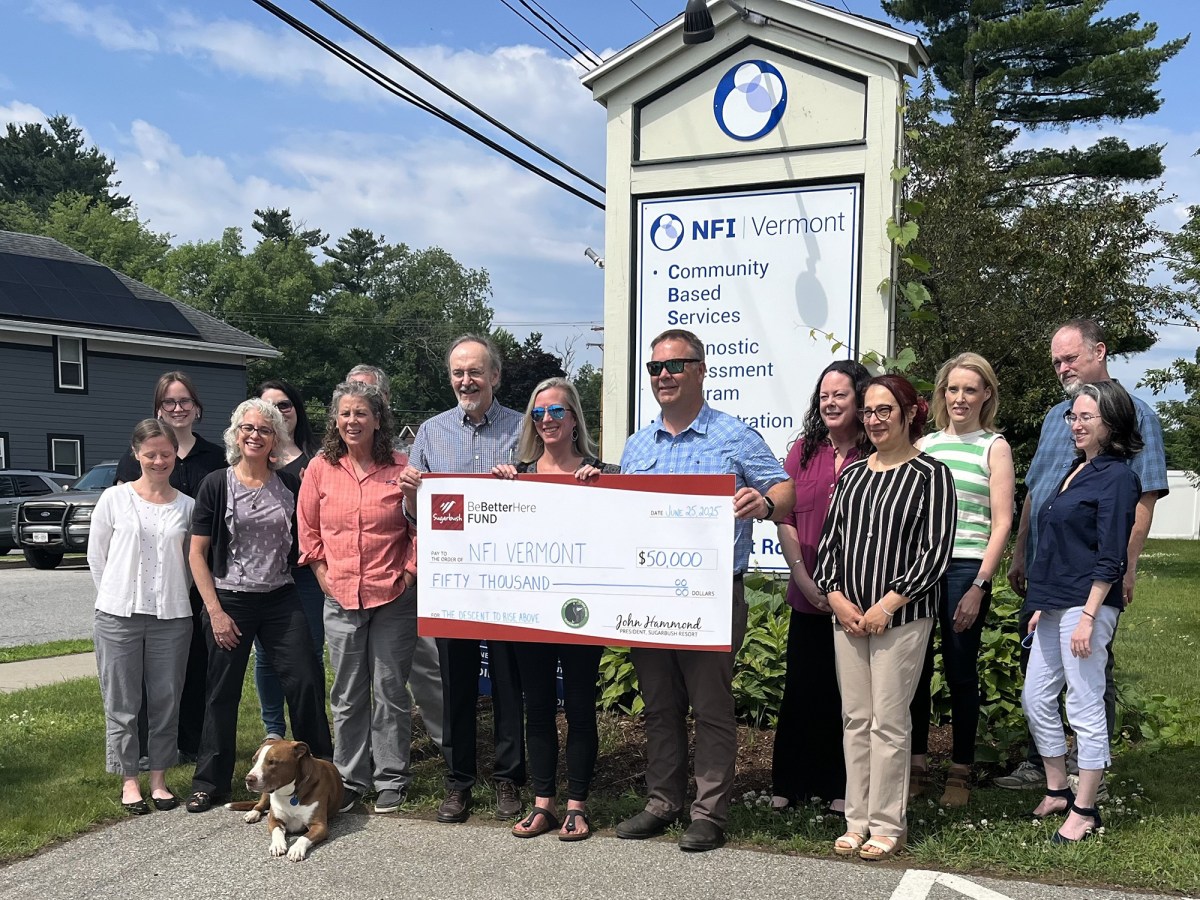
About NFI Vermont

NFI Vermont, Inc. provides trauma responsive, innovative mental health and education services to Vermont children and families.
This article is part of a series, collaboratively produced by members of Vermont Care Partners, a statewide network of sixteen non-profit, community-based agencies providing mental health, substance use, and intellectual and developmental disability supports.