
It was a routine day in my practice. A 28-year-old man — polite, soft-spoken, and visibly anxious — walked into my dental chair for what he thought would be a quick fix for a nagging toothache. Halfway through the exam, I asked a standard question from a new screening tool we had begun using: “Have you ever used, or do you currently use, any controlled substances?”
He froze. His face went still. Then he exhaled. “Honestly, I’ve been taking something,” he whispered. “Pills from a friend — just to calm down. Life’s been stressful. I was out of work for a while because of Covid. My friend said they’d help.”
In that instant, the air in the room changed. A conversation about a tooth suddenly became a conversation about survival.
When the visit ended, he thanked me — not for relieving his toothache, but for asking a question no one else had. “I didn’t know who to tell before it got worse,” he said.
That conversation could have easily never happened. But it did — in a dental chair.
Several years later, I still think about that moment. It was a reminder that some of the most important conversations in health care happen in the most unexpected places.

Drug injection fades as smoking grows more common, marking sea change in U.S. fentanyl epidemic
People often see their dentist more regularly than their primary care provider. That gives dental professionals a rare opportunity to spot early signs of substance use, stress, or mental distress — if we’re willing to look.
Dentistry occupies a complex space in the opioid crisis. Dental procedures have often been a first point of opioid exposure, particularly after extractions or surgery, and that reality shapes public perception.
If dental visits can serve as entry points to exposure, they should also serve as structured entry points for prevention, screening, education, and referral.
The 2024 National Survey on Drug Use and Health reported that 58.3% of Americans aged 12 and older used tobacco, vaped nicotine, drank alcohol, or took an illicit drug in the past month. A 2025 JAMA study found that nearly one in five adolescents experienced a major depressive episode in the prior year — and 40% received no mental health care. In Massachusetts, where I live, numbers are especially concerning: 10.2% of adolescents reported alcohol use and 11% reported illicit drug use — both higher than the national average. Only one in 10 people with a substance-use disorder nationwide ever receives specialized treatment.
This gap makes early, community-based intervention essential — and dental professionals can be vital allies in that effort.
A few years ago, I helped pilot the integration of a screening, brief intervention, and referral to treatment (SBIRT) program into routine dental visits at a community health center. What began as a small effort to align oral health with behavioral health quickly disclosed something powerful: Patients opened up, revealing untapped opportunities.
Many had never been asked about substance use in any health care setting. With basic training and coordination, our dental team identified at-risk people and connected them to behavioral health counselors.
Congress has authorized more than $10 billion in federal funding to address the opioid epidemic through legislation such as the SUPPORT Act and the 21st Century Cures Act, although not all authorized funds have been fully appropriated or distributed. Some of that money should be spent on oral health settings, where early screening and intervention can reach people who might otherwise be missed. Expanding training, resources, and referral partnerships in dental programs would allow providers to identify at-risk patients sooner and connect them with care before crisis strikes.
Institutional dental clinics are an ideal place to start, allowing pilot programs to refine workflows, collect data, and build a model that can scale.
Of course, practical questions remain. Dentists are busy. Time is limited. So, what would motivate providers to add another step to their workflow?
A combination of financial incentives — such as reimbursable insurance codes similar to oral-cancer screening — and non-financial supports, like professional recognition and continuing-education credits, can strengthen provider buy-in. Brief, standardized tools, integrated electronic prompts, and streamlined protocols can make screening realistic and routine, helping shift attitudes and encourage adoption.
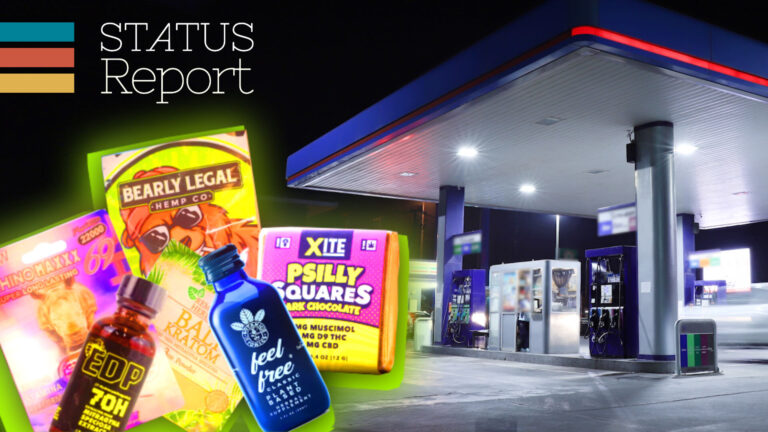
How ‘gas station drugs’ remain legal
Some might think that this isn’t a dentist’s business. But substance use takes a direct and measurable toll on oral health — from decay to infection to missed appointments. Training dental providers to recognize early warning signs not only improves access to timely care, but also strengthens the connection between oral, medical, and behavioral health.
And above all, the toll is human. That 28-year-old patient didn’t just need a procedure — he needed someone to notice.
Dentistry has long been built on prevention — fluoride, sealants, oral cancer screenings. It’s time to extend that preventive mindset to substance use. With the right support and coordination, dental teams can become early-intervention allies who help detect substance use risks, provide timely referrals, and reduce stigma around seeking help.
Divya Upadhyay, D.M.D., is a dentist practicing in the Greater Boston area who has led multiple initiatives focused on evidence-based dentistry and expanding access to care.