

Unplug to power up. -STOCK PHOTO
We live in a world that rarely slows down. Between packed schedules, constant notifications and the pressure to stay informed and connected, it is easy to feel overwhelmed. Many of us move from one thing to the next without ever stopping to take a breath. Sometimes what we really need is permission to pause. Setting thoughtful boundaries, especially around technology, can help reduce stress and support both our mental and physical well-being.
There is often an unspoken expectation to always be on, available, responsive and productive. That expectation is not realistic or sustainable. Feeling tired or overwhelmed does not mean you are failing. Not every day will feel productive, and that is okay. Taking care of your health, mentally and physically, has to be a priority.
Digital overstimulation plays a major role in burnout and stress. Screen time adds up quickly through online shopping, group chats, social media, emails and documenting everyday life. At the same time, we are constantly exposed to curated content from companies, colleagues, friends and even family. Over time, this can quietly shape expectations and fuel comparison, making it feel as though everyone else is doing more or coping better.

Why digital balance matters for mental health. -STOCK PHOTO
Part of what makes these patterns so difficult to change is how our brains are wired. Behavioral science research, including the work of Katy Milkman, shows that we naturally default to what is easy, familiar and immediately rewarding, such as scrolling or checking notifications. Insight alone is rarely enough to create change. Real and lasting change happens when we make small adjustments to our environment and routines, making healthier choices more natural.
This is why creating intentional digital boundaries can be so powerful. It does not mean deleting apps or giving up devices altogether. It means pausing long enough to ask yourself why you are reaching for your phone. Is it habit, boredom, stress or a genuine desire to connect? When possible, replacing mindless scrolling with something restorative, such as writing a few thoughts down, spending time with someone you love or engaging in a favorite activity, can help reset your nervous system. These moments do not need to be long to be effective.
Small and well-timed changes are often far more sustainable than sweeping resolutions. A recent study published in Jama Network Open found that even short reductions in social media use can significantly reduce mental health symptoms in young adults. Less screen time has been associated with lower anxiety, improved sleep, better focus and more space for emotional processing that often gets buried in a constantly moving, digital world.
The goal is not perfection. Simple steps like putting your phone away during meals, setting a tech free window before bed, turning off nonessential notifications or taking a short break from social media can create meaningful shifts. All of this is progress. Designing your environment to support these choices, rather than relying on willpower alone, makes change more realistic and lasting.
As you reflect on your habits, consider how technology truly makes you feel. What adds value, and what drains you? The digital world can be an incredible tool for connection and information, but it works best when used intentionally and balanced with other healthy habits. With consistency and self-compassion, it is possible to build a healthier relationship with technology.
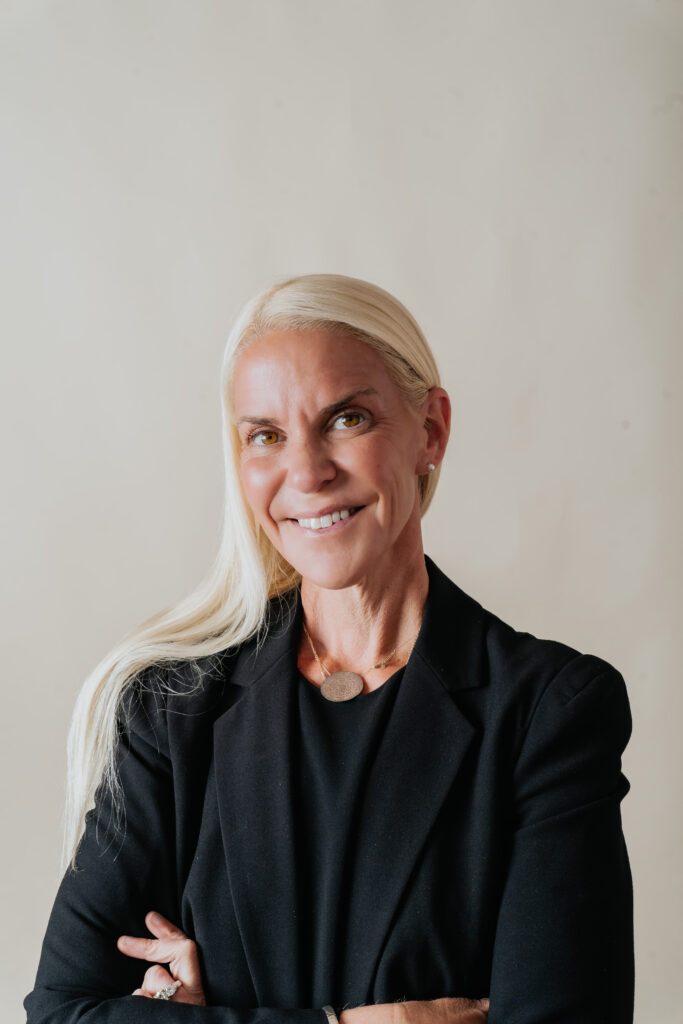
Elizabeth Dosoretz. -COURTESY PHOTO
About the author
Elizabeth Dosoretz, LCSW, is the founder and CEO of Elite DNA Behavioral Health. As a mother of three, her personal journey through the challenges of postpartum depression inspired her to found Elite DNA Behavioral Health in 2013 with a goal to provide accessible, affordable mental health care to everyone. Now one of the largest mental health providers, Elite DNA provides in-person and virtual behavioral health services from nearly 40 locations across Florida and Virginia. For more information, visit EliteDNA.com.