
Russian River Health Center in Guerneville is preparing to offer ketamine-assisted therapy to its members, a move aimed at making the novel mental health treatment available to residents who could not otherwise afford it.
The treatment will be given in a group therapy setting, in partnership with Liminal Medicine, a Sebastopol-based center that offers psychedelic-assisted therapy for people with certain mental health and substance use disorders.
Offering ketamine-assisted therapy in a group setting is a groundbreaking move for “federally qualified” health centers, said Dr. Jason Cunningham, CEO of West County Health Centers, which runs the Guerneville clinic.
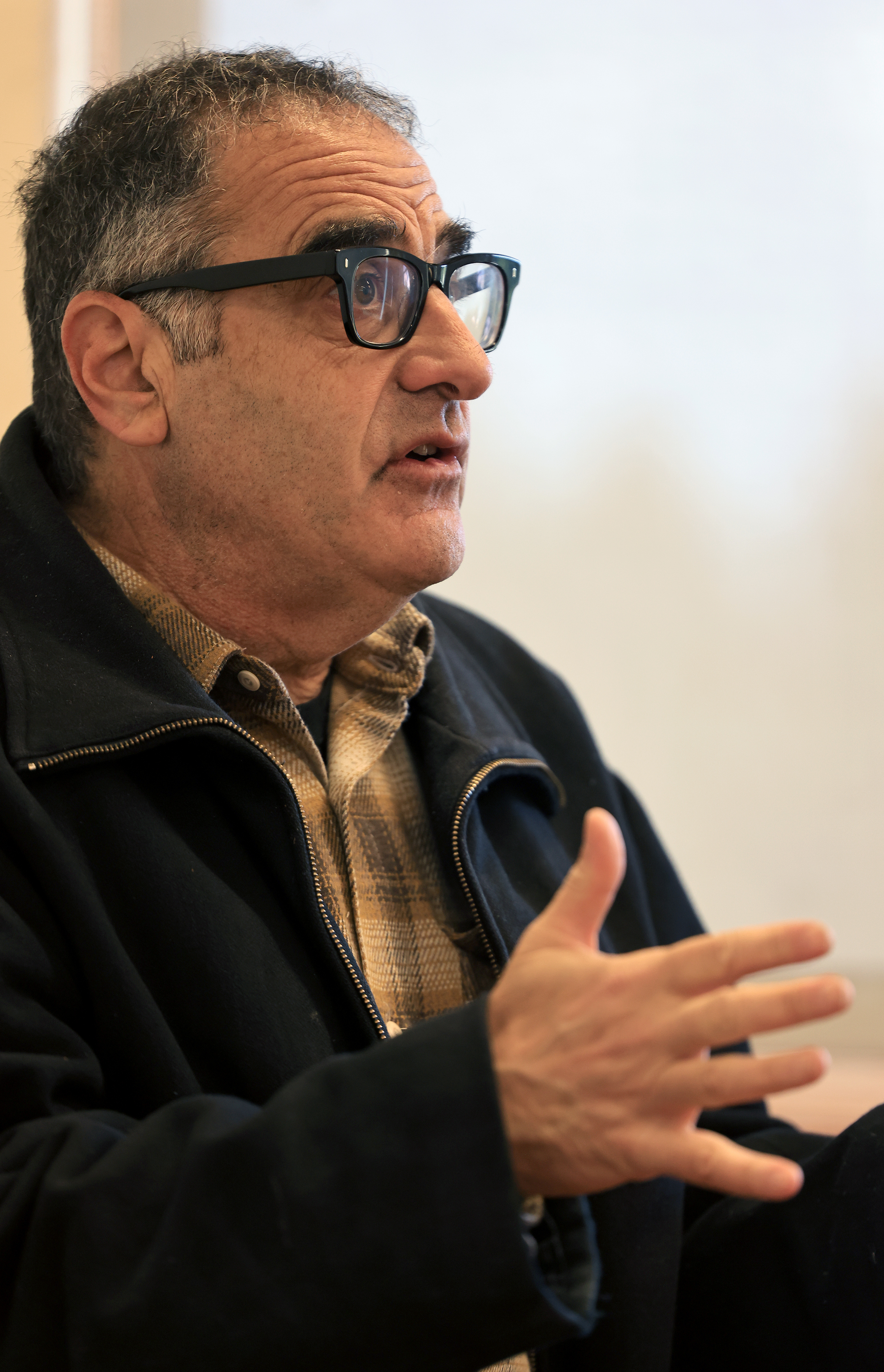
Psychiatrist Michael Kozart, MD, Thursday, Feb. 19, 2026, at West County Health Centers in Guerneville. (Kent Porter / The Press Democrat)
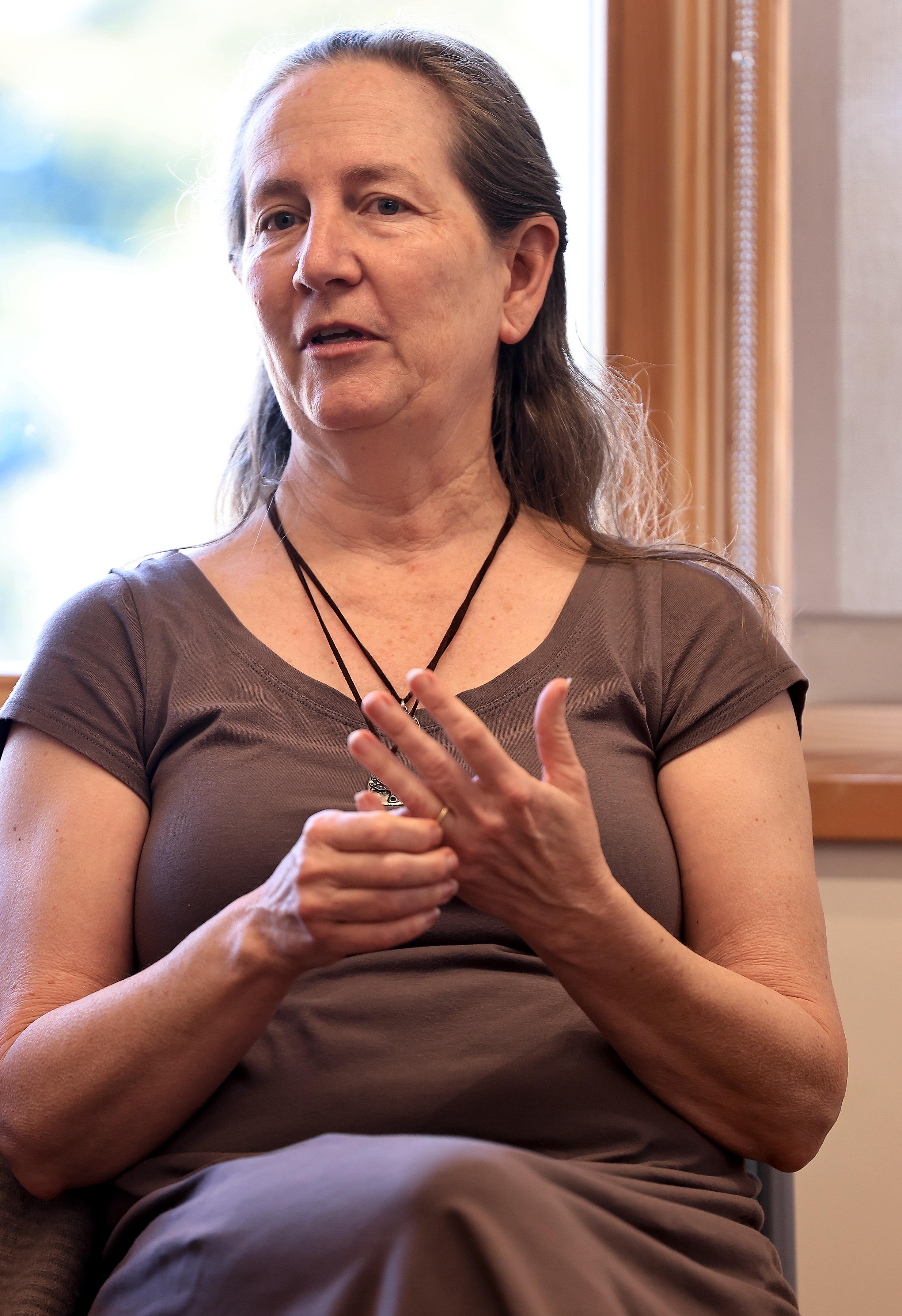
Anne Tamir-Mattis of Liminal Medicine, Thursday, Feb. 19, 2026, at West County Health Centers in Guerneville. (Kent Porter / The Press Democrat)

Physician Suegee Tamar-Mattis, Thursday, Feb. 19, 2026, at West County Health Centers in Guerneville. (Kent Porter / The Press Democrat)
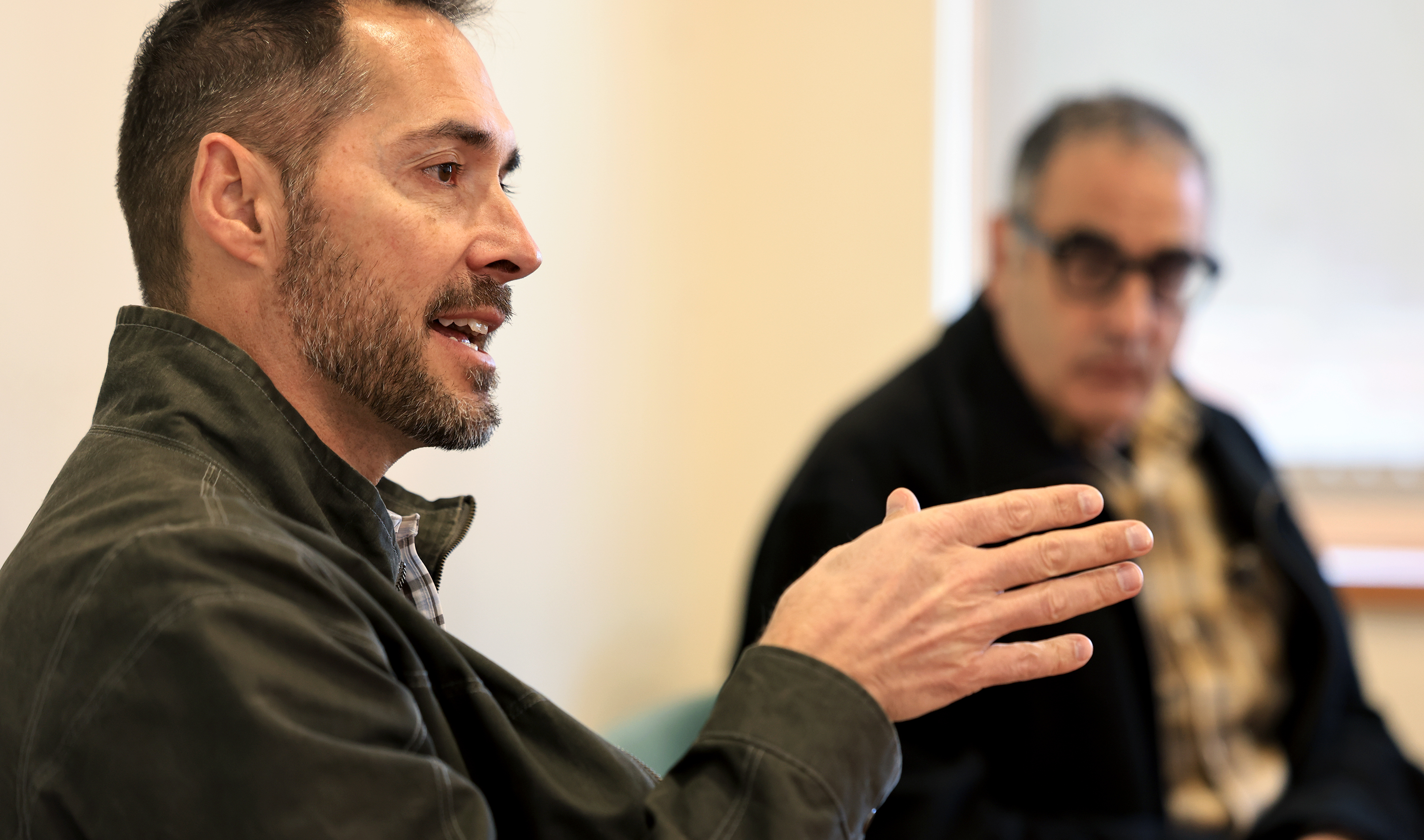
West County Health Centers’ CEO Jason Cunningham, left, with Psychiatrist Michael Kozart, MD, Thursday, Feb. 19, 2026, in Guerneville. (Kent Porter / The Press Democrat)
Show Caption
1 of 4
Psychiatrist Michael Kozart, MD, Thursday, Feb. 19, 2026, at West County Health Centers in Guerneville. (Kent Porter / The Press Democrat)
He said partnering with Liminal to offer a group therapy model greatly reduces the cost and makes it available to people with Medi-Cal, the state’s version of Medicaid insurance.
RELATED: Psychedelic medicine gains momentum in Sonoma County; ketamine clinic returns to Sebastopol
Mental illness, he said, is among the various conditions that affect patients’ health, including their blood pressure, diabetes, or the ability to hold a job or maintain a relationship. When patients don’t have access to treatment that works, “it affects our ability to do anything else.”
“Our patients that we serve have a higher rate of trauma and a higher rate of social stressors because of living in poverty,” Cunningham said. “We need to make sure we find treatment that is effective for mental illness … the problem is people don’t have access to it.”
Paving the way to broader access to psychedelic-assisted therapy took about two years.
Dr. Suegee Tamar-Mattis, Liminal Medicine’s medical director, reached out to West County Health Centers in the spring of 2024. She contacted the health centers’ director of psychiatrist Michael Kozart, who she had worked with in the past, and proposed the group therapy model.
Those conversations ultimately led to the creation of a pilot project, one of several steps necessary to clear the legal and administrative hurdles of the health center’s highly regulated environment, said Cunningham.
That included getting the approval from the center’s malpractice insurance company and Partnership HealthPlan of California, the nonprofit that administers Medi-Cal benefits for numerous counties across the state. He said Tamar-Mattis was brought in as a contracted employee and state credentialed so the health center could bill Medi-Cal for her time.
Anne Tamar-Mattis, Liminal Medicine’s administrative director, said psychedelic-assisted therapy is expensive and most insurance plans won’t cover it.
Most people will need four to six ketamine sessions, which can cost up to $7,500 for the medicine and the integrated therapy. A group session, depending on the size of the group, brings the cost down to between $2,500 and $3,500 for a full course of treatment.
West County Health Centers, which runs the Guerneville clinic, is designated a Federally Qualified Health Center, and as such receives a robust Medi-Cal reimbursement rate. The nonprofit health center group also operates clinics in Guerneville, Sebastopol, Forestville and Occidental.
Anne acknowledged that ketamine has recently gotten a “bad rap” because of widely reported cases of its misuse, including the fatal overdose of actor Matthew Perry and reports of misuse by Elon Musk.
Anne said ketamine is among many substances that are used for medical purposes that are hazardous if you misuse them. That’s why they’re restricted to medical settings, she said.
“In a medical setting, it can be used safely,” Anne said. “There’s not really a contradiction there … the reason ketamine has gotten such a bad rap, besides the very high-profile people who abuse it, is it’s a pleasurable experience.”
Anne said that in American medicine and society, “we think that healing shouldn’t be pleasurable. Healing should be painful.”
Detaching from trauma
Suegee Tamar-Mattis, Liminal Medicine’s medical director and Anne’s wife of 29 years, said she believes the local clinic could be the first FQHC in the country to offer ketamine-assisted group therapy.
Kozart and Suegee said ketamine-assisted therapy is useful for anxiety, post- traumatic stress disorder and what’s known as treatment-resistant depression, where neither behavioral health drugs nor other forms of therapy significantly improve a patient’s condition.
Approved by the Food and Drug Administration as an anesthetic agent, studies have found the treatment to produce rapid and significant antidepressant effects in individuals with severe depression.
Unlike other psychedelics, which work on the “serotonin areas” of the brain, ketamine provides antidepressant effects by affecting glutamate neurotransmission, said Suegee.
As a result, it isn’t necessary to stop using selective serotonin reuptake inhibitors (SSRIs), the most commonly prescribed antidepressants, before undergoing ketamine-assisted therapy, she said.
“You can use it without destabilizing people from their medications, and that is just a huge bonus,” Suegee said.
Kozart said last year’s pilot project, which involved 10 patients, produced very successful results. The group therapy setting in conjunction with the ketamine treatment created a powerful sense of communal connectedness among some of the patients.
“We’ve had biomedicine for 60 years trying depression, and we’ve never created a miracle treatment,” he said. “Depression is famously resistant to all sorts of things that we try and I think it stands to reason that this is really about the body and the mind together. We just can’t treat depression or, for that matter, most mental illness like it’s just some chemical imbalance and we’re just going to drop in some chemicals, some medications and everything’s going to be fine.”
Kozart said depression happens in the context of trauma, situational hardship and things that are happening all around us. “It’s amazing how many of our folks are affected by things in the world,” he said, adding that the use of ketamine in a therapy-guided session is a melding of body and mind.
“It’s sort of the way that we can combine everything that we can do that’s spiritual, that’s humanitarian, that’s communal, with a biological approach that helps break down the barriers that allows these folks who are so alienated from one another to really, really feel that connectedness,” he said.
Ketamine is not approved by the FDA for treatment of psychiatric disorders. However, Suegee said the drug is widely used “off-label” for the treatment of various mental health conditions such as depression and anxiety.
Benadryl, for example, is FDA-approved only for treating allergies but can be bought over the counter as a sleep aid in “Tylenol PM,” she said. She said there is now mounting research that shows how effective ketamine is for specific mental health conditions.
Training staff
About eight West County Health Center staff members underwent around 20 hours of training, with about half of them participating in a “medicine session.” Those sessions gave therapists a window into what clients would be experiencing.
Jessica Bromley, a licensed marriage and family therapist, was among those who did a treatment session. She said ketamine is different from psychedelics such as mushrooms or acid, which trigger an “outward experience” where one is hallucinating while “interacting with the environment.”
“Ketamine treatment is very internal,” Bromley said. “You go on the journey inside, and that’s why you wear a mask … it can be visual, sometimes it’s just a darkness, like my experience was. I was in darkness for a while. I was behind a theater curtain for a while.”
Bromley said one comes out of the session “with more freedom and a baseline that is more advantageous to mental health.”
“What mental illness does a lot of the time is restrict your freedom,” she said. “You are consistently in a cycle of behaviors that do not serve you or complicate your life, and this medicine gives you the freedom, gives you like almost a moment before that cycle of reaction and decide … how do I want to be?”
Kozart said the pilot produced “phenomenal results” but it remains to be seen how long these positive outcomes can be sustained.
“It’s fair to say that a lot of the research on ketamine suggests it’s not like it’s a permanently transforming effect on your brain,” he said.
He said going forward, following the initial series of treatments, the partnership will assess whether patients should have periodic treatments to “help sustain that positive effect.”
Kozart said a number of the patients who participated in the pilot are already asking if they can continue with the treatment.
Kozart and Suegee said they hope to make the treatment sessions available to eligible West County Health Center patients by spring this year.
You can reach Staff Writer Martin Espinoza at 707-521-5213 or martin.espinoza@pressdemocrat.com. On Twitter @pressreno.