
Summary and Key Points: Harrison Kass, a national security journalist and former USAF pilot selectee, evaluates the unsustainable human cost of modern air campaigns, especially as the Iran war heats up.
-Utilizing his background in law and international relations, Kass analyzes how the “sensor fusion” environment of platforms like the F-35 and F-15E creates a cognitive load that exceeds human bandwidth during 8-hour Combat Air Patrols (CAP).
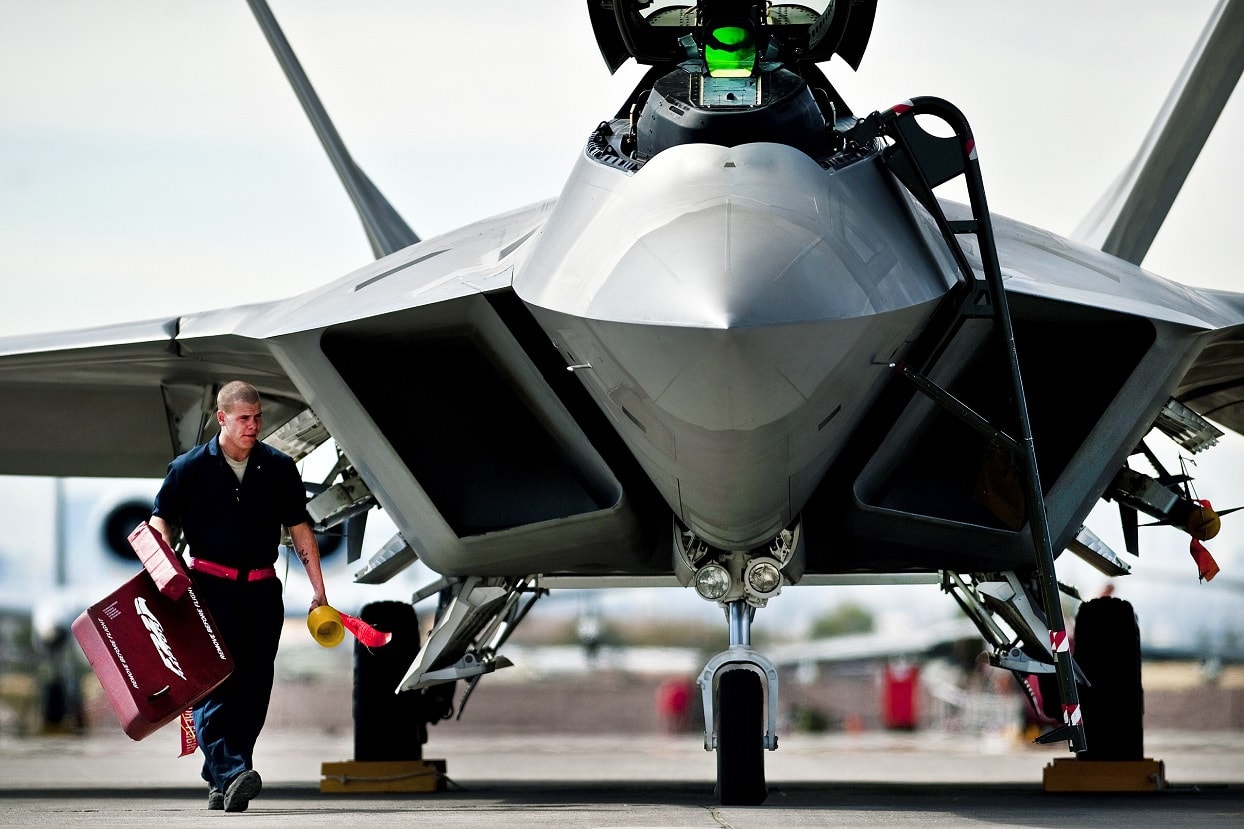
U.S. Air Force Airman 1st Class Jonathan Foster, 49th Aircraft Maintenance Squadron, crew chief, from Holloman Air Force Base, N.M. removes the intake covers of an F-22 Raptor before a training mission during Red Flag 11-3 at Nellis Air Force Base, Nev., March 2, 2011. Red Flag is a realistic combat training exercise involving the air forces of the United States and its allies. The exercise takes place north of Las Vegas on the Nevada Test and Training Range–the U.S. Air Force’s premier military training area with more than 12,000 square miles of airspace and 2.9 million acres of land. (U.S. Air Force photo by Tech Sgt. Michael R. Holzworth/Released).
-This 19FortyFive report explores the physical stressors of 9-G maneuvers and the psychological “moral injury” associated with precision strikes, arguing that these factors are accelerating the military’s pivot toward fully autonomous unmanned systems.
The Human Toll: Why the 8-Hour Combat Sortie is Pushing Pilot Limits in 2026 (Especially in the Iran War)
Modern air campaigns rarely consist of one big strike – the Iran war right now proves that for sure.
Recent examples, like Iraq and Afghanistan, show a model with persistent ISR, CAS, strike, and overwatch—day after day, potentially for years. This relentless tempo demands that pilots fly multiple sorties per week, sometimes multiple per day.
And with tanker support extending endurance, combat air patrols (CAP) can last 4 to 8 hours or more, all with the expectation of flawless performance. Such tempo, with such expectations, all under wartime conditions, can be a mental and physical burden to the pilot corps.
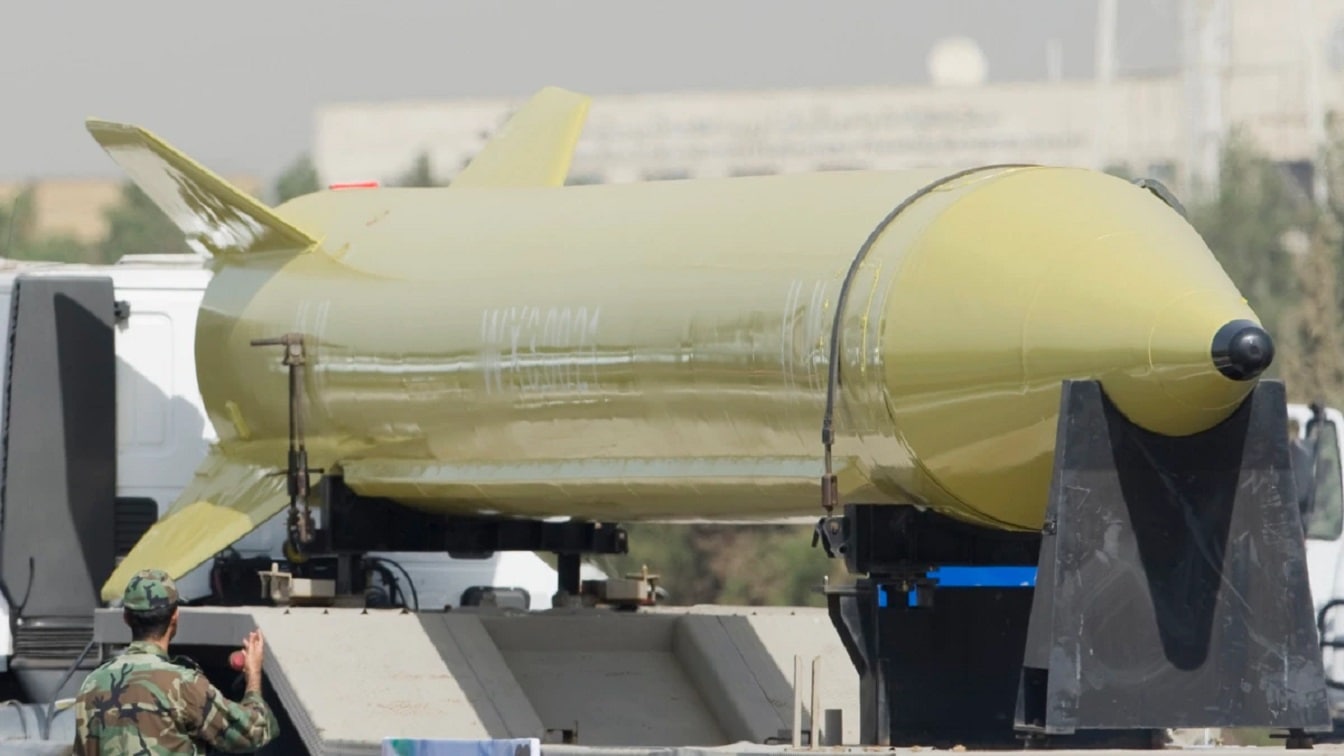
Iranian Ballistic Missile. Image Credit: Creative Commons.
Tempo and Repetition: Iran and Beyond
At war, sortie generation becomes an industrial process with a predictable cycle: wake up, brief, step, fly, debrief, and repeat. Limited decompression time between missions compounds the fatigue and stress. The process can be monotonous, though it is punctuated by sudden kinetic violence.
And even when nothing is happening, pilots must maintain constant vigilance. The mental strain of scanning sensors for hours, waiting for a threat, of course, adds up.
Cognitive Load
Modern fighters, like the F-15E, F-16, F/A-18, and F-35, place pilots in a sensor fusion environment, where they must manage radar, targeting pods, datalinks, and EW systems simultaneously and continuously. Meanwhile, radio chatter is constant, and tanker scheduling is frequent.
Pilots must multitask at 500-plus knots, often operating at the limits of a human’s cognitive bandwidth. And fatigue reduces processing speed and situational awareness, often adding a layer of increased difficulty to the pilot’s work, which often requires high-consequence decision-making under ambiguity. Decisions in the cockpit carry legal and moral implications, and neither fatigue nor compressed decision time excuses errors.
Physical Stressors
Flying a fighter jet is physically taxing, we can see this first hand in Iran right now. Sustained seven to nine G maneuvers compress body weight. Anti-G straining maneuvers are exhausting over time. Neck and spine compression injuries are common in the pilot community. The cockpit itself can be inhospitable over the course of an eight-hour mission.
Dehydration becomes an issue, especially in the Middle Eastern heat. Pilots have limited mobility while sitting in an ejection seat for hours. The pressure suit becomes uncomfortable. And the physical discomfort can exacerbate fatigue and complicate mental processes. Night sorties can disrupt circadian rhythms, sometimes causing chronic sleep debt. Post-flight adrenaline crashes can leave pilots feeling strung out.

F-35 Fighter. Image Credit: Creative Commons.
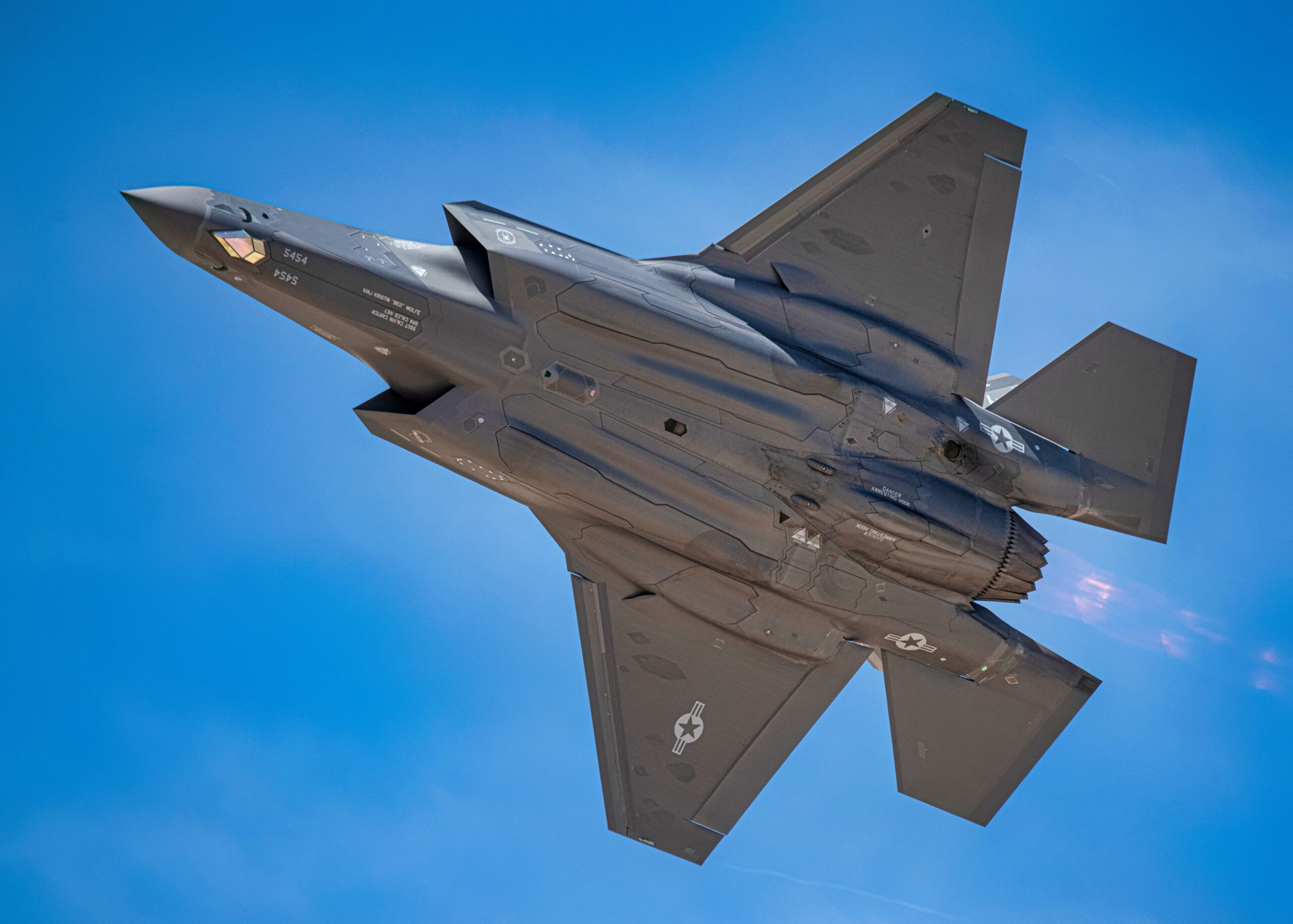
A U.S. Air Force F-35 Lightning II flies over Holloman Air Force Base, New Mexico, May 6, 2022. The F-35 Demonstration Team travels to shows around the country, as well as internationally, to highlight the combat capabilities of the F-35. The mission of the team is to recruit, retain and inspire. (U.S. Air Force photo by Senior Airman Jacob T. Stephens)
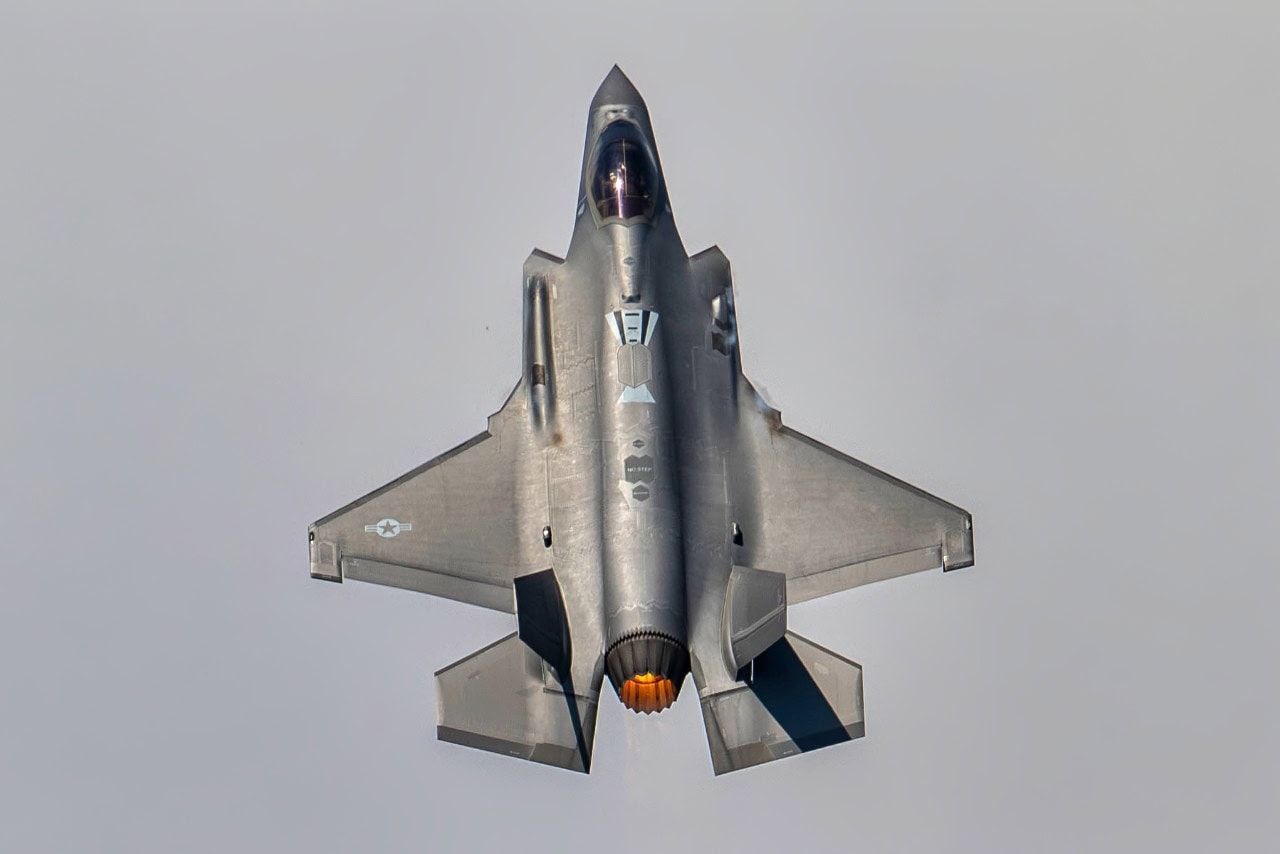
U.S. Air Force Maj. Kristin “BEO” Wolfe, F-35A Lightning II Demonstration Team commander, flies over Kennewick, Washington, during the Tri-Cities Water Follies Airshow Over the River, July 30, 2023. The F-35 Demonstration Team participated in the 2023 Tri-Cities Water Follies airshow and various other events in support of their mission to recruit, retain and inspire new and old generations of Airmen. (U.S. Air Force photo by Staff Sgt. Kaitlyn Ergish)
Psychological Stressors
Pilots maintain a constant awareness of surface-to-air missile threats, again something we are seeing in Iran right now.
SAM launch warning causes an immediate cortisol spike. Meanwhile, a ground war is raging below, putting pilots in emotional proximity to death and destruction—some of which the pilot would like to prevent but cannot, some of which the pilot causes through weapons release.
The prospect of civilian casualties is constant, and when civilians are killed, the pilot often suffers extreme guilt, a moral crisis. Even during relatively mundane patrol missions, the pilot must maintain persistent hyper-vigilance, which, over time, taxes the body and adds to a cumulative stress that builds over weeks and months. Compartmentalization is necessary to achieve the level of precision and professionalism required of modern combat pilots.
Deployment Realities
During the Iraq and Afghanistan era, four to six-month deployments were typical, meaning pilots were separated from their families and homes for upwards of half a year.

A U.S. Air Force B-52 Stratofortress, from the 5th Bomb Wing at Minot Air Force Base, N.D., breaks away after receiving fuel from a U.S. Air Force KC-135 Stratotanker from RAF Mildenhall, England, over the Mediterranean Sea April, 9, 2018. A formation of four KC-135s refueled two B-52s. Each KC-135 offloaded more than 80,000 pounds of fuel. (U.S. Air Force photo by Airman 1st Class Benjamin Cooper)
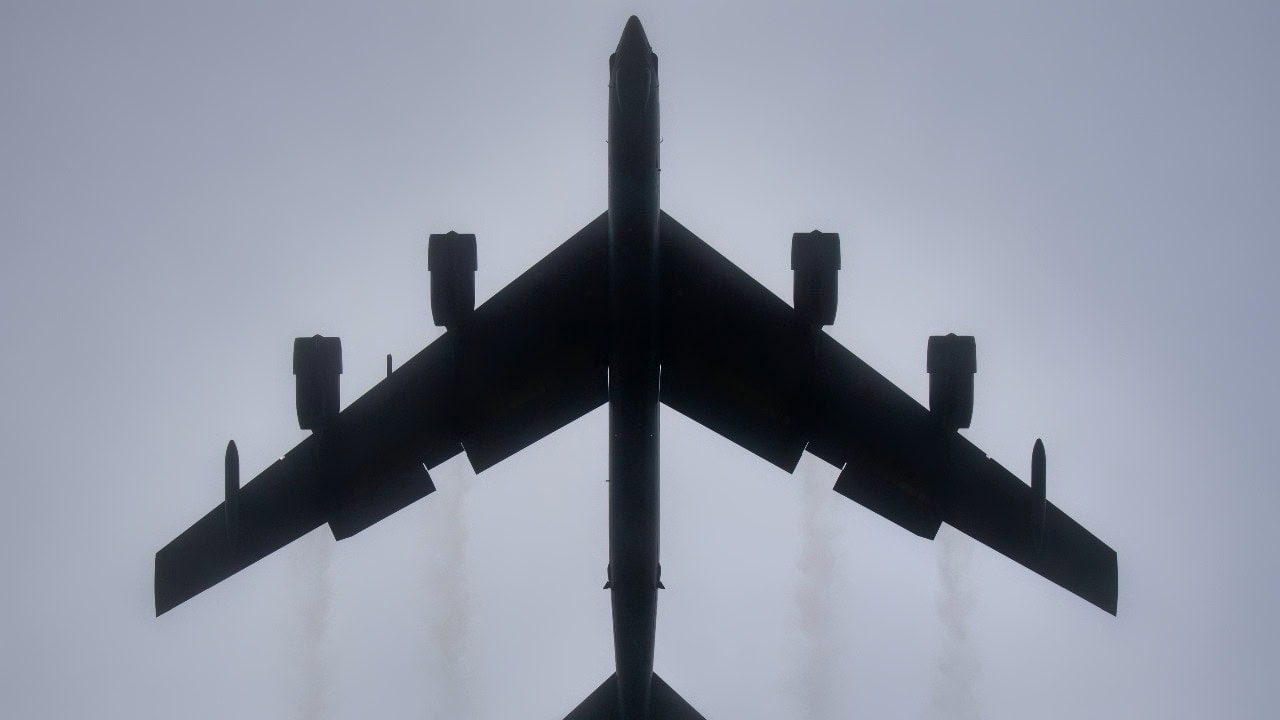
A B-52 Stratofortress takes off during Global Thunder 2019 at Barksdale Air Force Base, La., Nov. 5, 2018. Global Thunder is an annual U.S. Strategic Command (USSTRATCOM) exercise designed to provide training opportunities to test and validate command, control and operational procedures. The training is based on a notional scenario developed to drive execution of USSTRATCOM and component forces’ ability to support the geographic combatant commands, deter adversaries and, if necessary, employ forces as directed by the President of the United States. (U.S. Air Force photo by Airman 1st Class Lillian Miller)
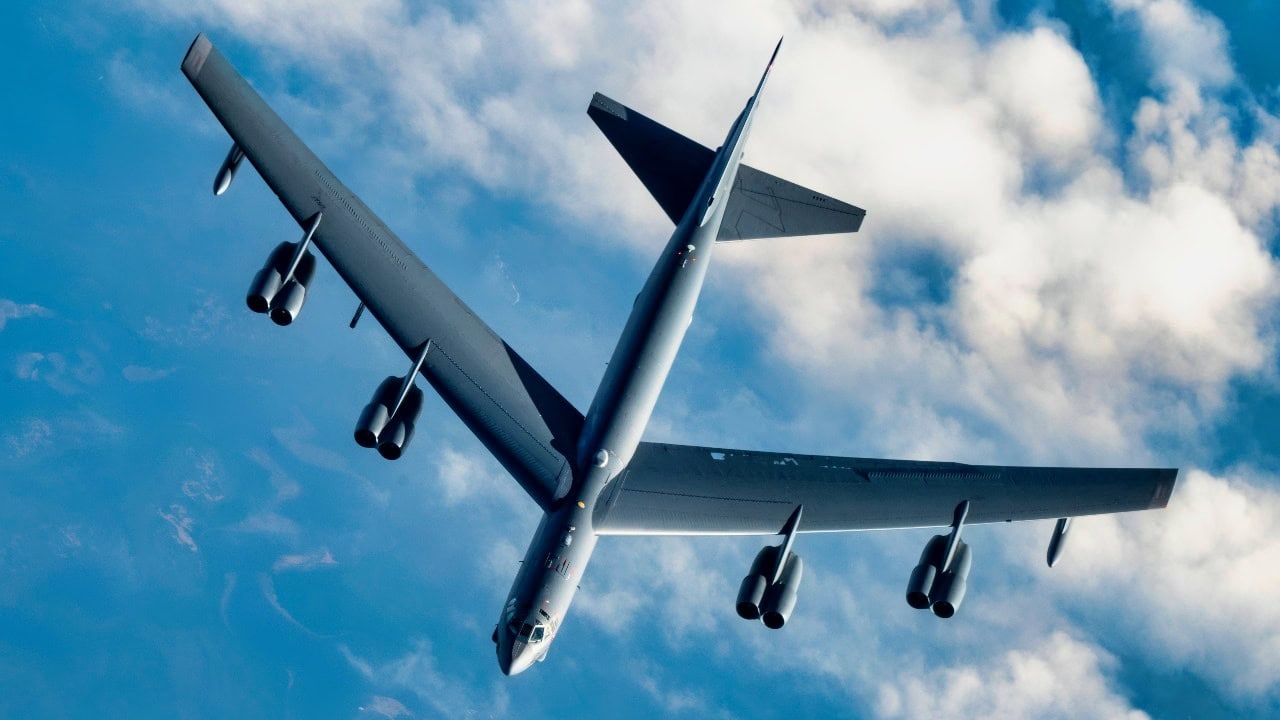
A U.S. Air Force B-52 Stratofortress departs after being refueled by KC-135 Stratotanker over the Pacific Northwest July 18, 2024. The 92nd Air Refueling Wing and 141st ARW’s ability to rapidly generate airpower at a moment’s notice was put to the test when Air Mobility Command’s Inspector General team conducted a no-notice Nuclear Operational Readiness Inspection, July 16–18, 2024. During the NORI, Airmen demonstrated how various capabilities at Fairchild AFB enable units to generate and provide, when directed, specially trained and equipped KC-135 Stratotanker aircrews to conduct critical air refueling of U.S. Strategic Command-assigned strategic bomber and command and control aircraft. (U.S. Air Force photo by Staff Sgt. Lawrence Sena)
Missing home while deployed is one problem, of course, but so is reintegrating into domestic home life upon return. Repeated deployments over a career make the depart/reintegrate a predictable yet difficult cycle for all pilots and their families. And career progression (and professional identity) is tied to combat hours, placing an incentive to participate in more combat.
Unmanned Replacement
The physical and emotional stress of flying sustained combat operations is part of the reason why the pilot is going to be phased out in the coming decades.
Unmanned systems eliminate physical G stress and remove the risk of pilot capture or death while enabling persistent ISR without the need to consider human endurance limits.
Remote pilots report similar (or greater) psychological strain, but they are likely just a bridge between manned fighters and fully autonomous systems, such as the CCA. Humans are still superior to drones today in terms of judgment and improvisation; CAS scenarios, especially, require contextual reasoning.
But the capability gap between man and machine is shrinking. And given the human toll of sustained air combat operations, the shift from humans to machines seems inevitable.
About the Author: Harrison Kass
Harrison Kass is an attorney and journalist covering national security, technology, and politics. Previously, he was a political staffer and candidate, and a US Air Force pilot selectee. He holds a JD from the University of Oregon and a master’s in global journalism and international relations from NYU.