
Many needing addiction care remain untreated despite available treatment programs.
Many people in Florida who struggle with drug or alcohol problems are not getting the care they need, even in areas known for having a large number of treatment centers. Health leaders say the treatment gap remains wide. New data shows that about four out of five adults in the state who could benefit from addiction treatment are not currently in care. This pattern continues in Palm Beach County, a region often called the “rehab capital” because of the high number of treatment facilities located there. Despite the strong presence of programs, many residents still go without support.
Experts say timing plays a large role in whether someone seeks treatment. Periods of heavy social activity, such as spring break season, can make risky drinking or drug use seem normal or harmless. For some people, however, substance use does not end when the celebrations do. Health professionals note that ongoing use, failed attempts to stop, or growing problems at work or home may signal a deeper issue. Early recognition of these warning signs can make recovery more manageable and prevent more serious harm later.
One of the biggest barriers to adequate treatment remains stigma. Feelings of shame and fear about how others might react often keep people from asking for help. Many individuals worry about being judged by coworkers, friends, or family members. Concerns about job security can also widen the treatment gap, especially when people are unsure how to request time away from work. Treatment providers report that helping patients understand medical leave options and workplace protections can reduce some of this fear and make entering care feel more possible.
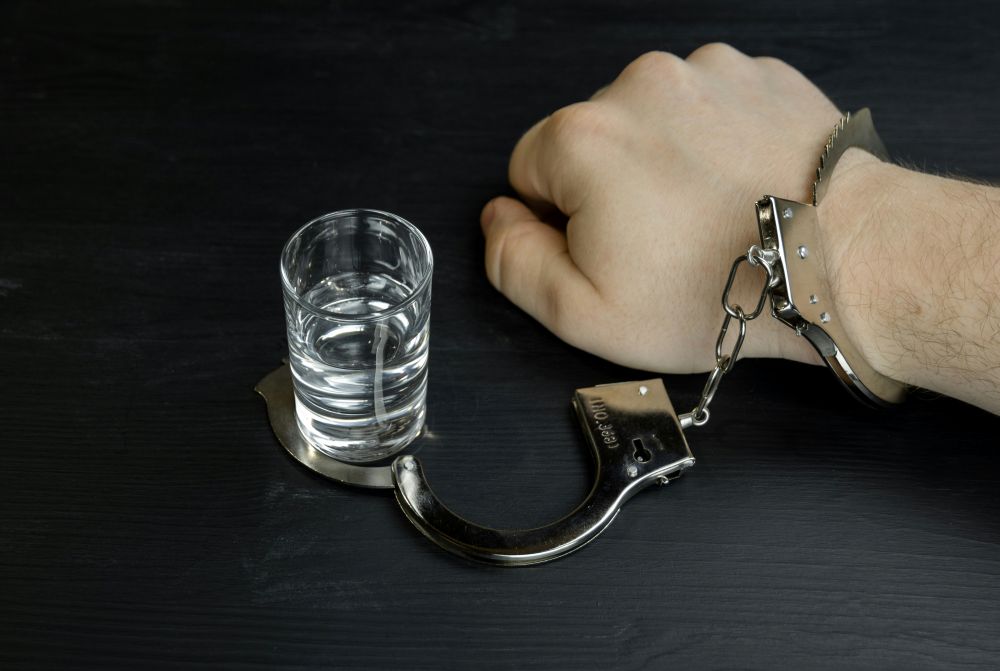 Photo by Bermix Studio on Unsplash
Stories of recovery continue to play an important role in changing public attitudes. Individuals who have maintained long-term sobriety often describe how sharing personal experiences helps others feel less alone. Hearing that recovery is achievable can challenge the belief that addiction defines a person’s future. These accounts also highlight how daily coping skills, therapy, and ongoing support contribute to lasting change rather than quick fixes.
There have been some encouraging signs in Palm Beach County in recent years. Reports from local officials show that accidental overdose deaths have declined since 2020. While this improvement offers hope, health professionals caution that progress can easily reverse if treatment gaps remain. Continued access to care and early intervention are viewed as key steps in maintaining positive trends.
Modern treatment programs now address both substance use and mental health concerns together. Many people living with addiction also experience anxiety, depression, bipolar disorder, or trauma-related symptoms. When these issues go untreated, individuals may turn to drugs or alcohol as a way to cope with emotional distress. Treatment centers increasingly provide therapy approaches such as cognitive behavioral therapy, trauma-informed counseling, and medication support alongside wellness activities like art therapy, yoga, and music sessions. These options are intended to support both emotional healing and physical recovery.
Advances in medical testing are also shaping treatment planning. Some programs now offer genetic testing designed to help clinicians understand how a person’s body may respond to certain medications. Supporters say this approach may reduce the trial-and-error process that sometimes occurs when prescribing psychiatric or addiction medications. Faster medication matching can help stabilize symptoms sooner and improve engagement in treatment.
Recovery does not end when a person leaves a residential program. Research shows that relapse is common during the first year after treatment, making follow-up care especially important. Aftercare planning often includes outpatient therapy, peer support groups, and continued medical monitoring. These ongoing services help individuals transition back into daily life while maintaining structure and accountability.
Health professionals emphasize that addiction is a medical condition rather than a moral failure. Expanding access, reducing the factors leading to such a significant treatment gap, reducing stigma, and encouraging earlier intervention remain central goals for providers across Florida. Even in regions with many treatment centers, awareness and acceptance play a major role in whether people step forward for help. Closing the gap between need and care may depend as much on changing public perception as it does on increasing available services.
Sources:
Many People Who Need Addiction Treatment Are Not Getting Help, Even in the ‘Rehab Capital’