
It’s been almost two years since the Behavioral Health Crisis Center (BHCC) welcomed its first patients. Since opening, the joint project between UNM Hospital and Bernalillo County has helped many people find the right care for themselves and their loved ones.
UNM Hospital continues to provide a full breadth of behavioral health care with the University Psychiatric Center for adults and the Children’s Psychiatric Center. The BHCC bridges the gaps in the continuum of care- ensuring those in psychiatric crisis have a safe place to go so that behavioral health professionals can assess next steps.
Mauricio Tohen, MD, DrPH, MBA, is a UNM School of Medicine distinguished professor and department chair of Psychiatry & Behavioral Sciences. He said the BHCC offers an opportunity to connect patients with the correct level of care they need.
“It’s been very rewarding because our goal is to serve the community, and the most rewarding part of it is you can see the patient when they need to be seen, and get them the appropriate level of care,” he said.
An important part of this effort is the Crisis Triage Center (CTC). The CTC provides medium-acuity crisis stabilization for adult patients. There are 16 single patient rooms. There’s also group therapy, staff support and an observation unit. Patients can stay for up to two weeks if they need to. In 2025 there was an average of 57 patients each month staying overnight in the facility, according to Rodney McNease, senior executive director of governmental affairs for UNM Behavioral Health Administration. McNease added there are also about 900 patient evaluations done each month here. From November of last year to January of 2026, the CTC served 223 patients, who stayed an average length of five days.
What is the Peer Living Room?
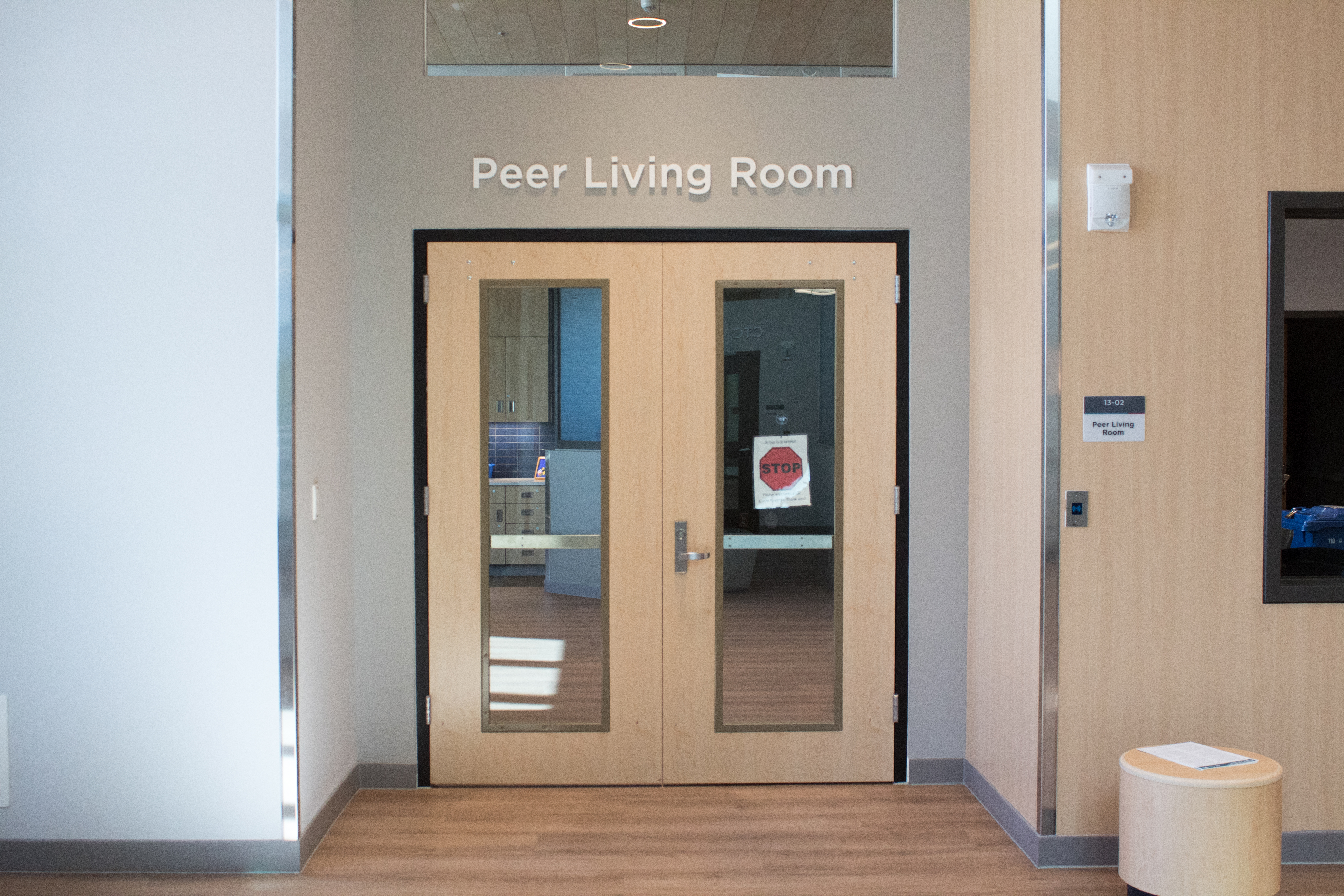
Peer Living Room inside the Behavioral Health Crisis Center.
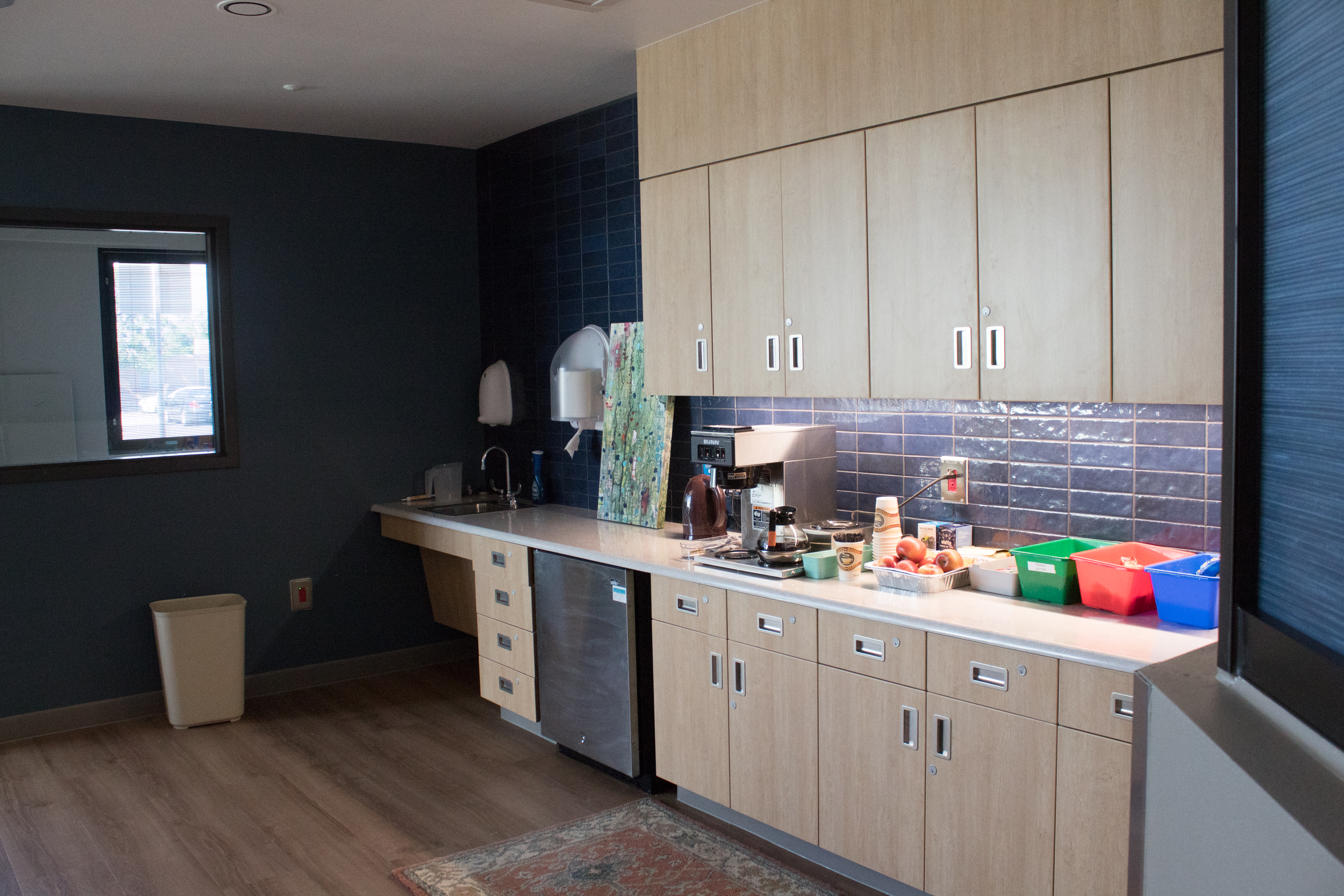
Peer Living Room inside the Behavioral Health Crisis Center.
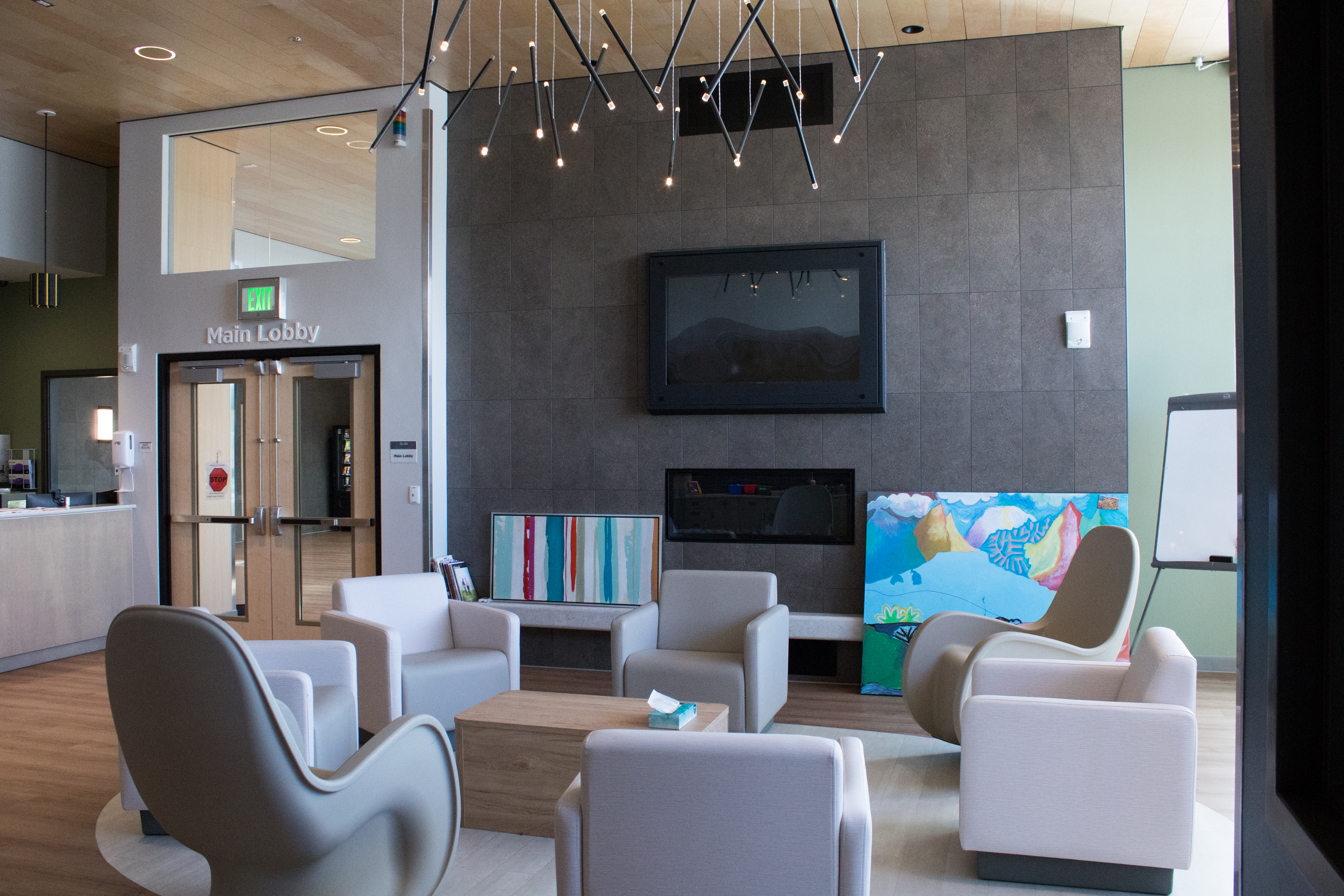
Peer Living Room inside the Behavioral Health Crisis Center.
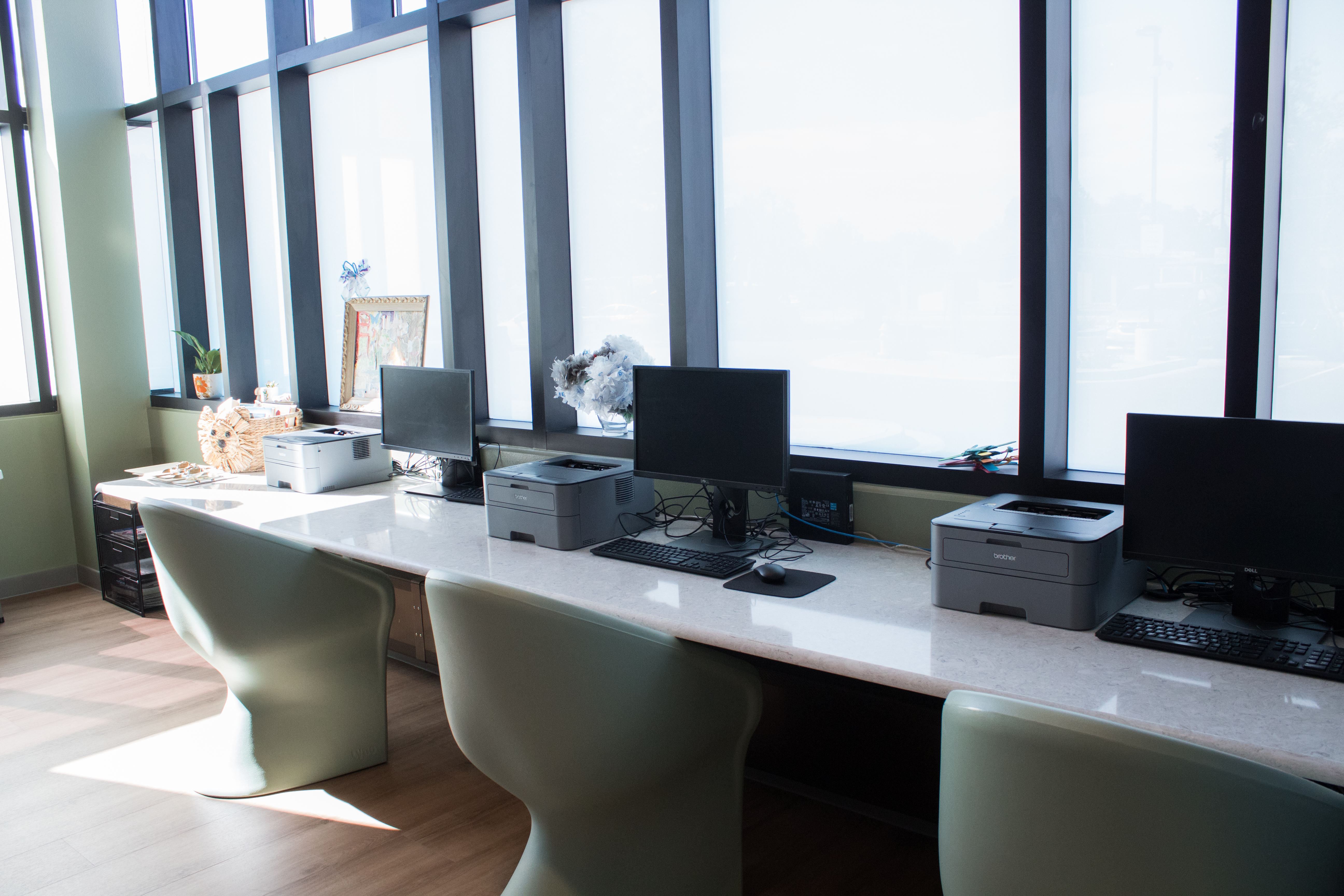
Peer Living Room inside the Behavioral Health Crisis Center.
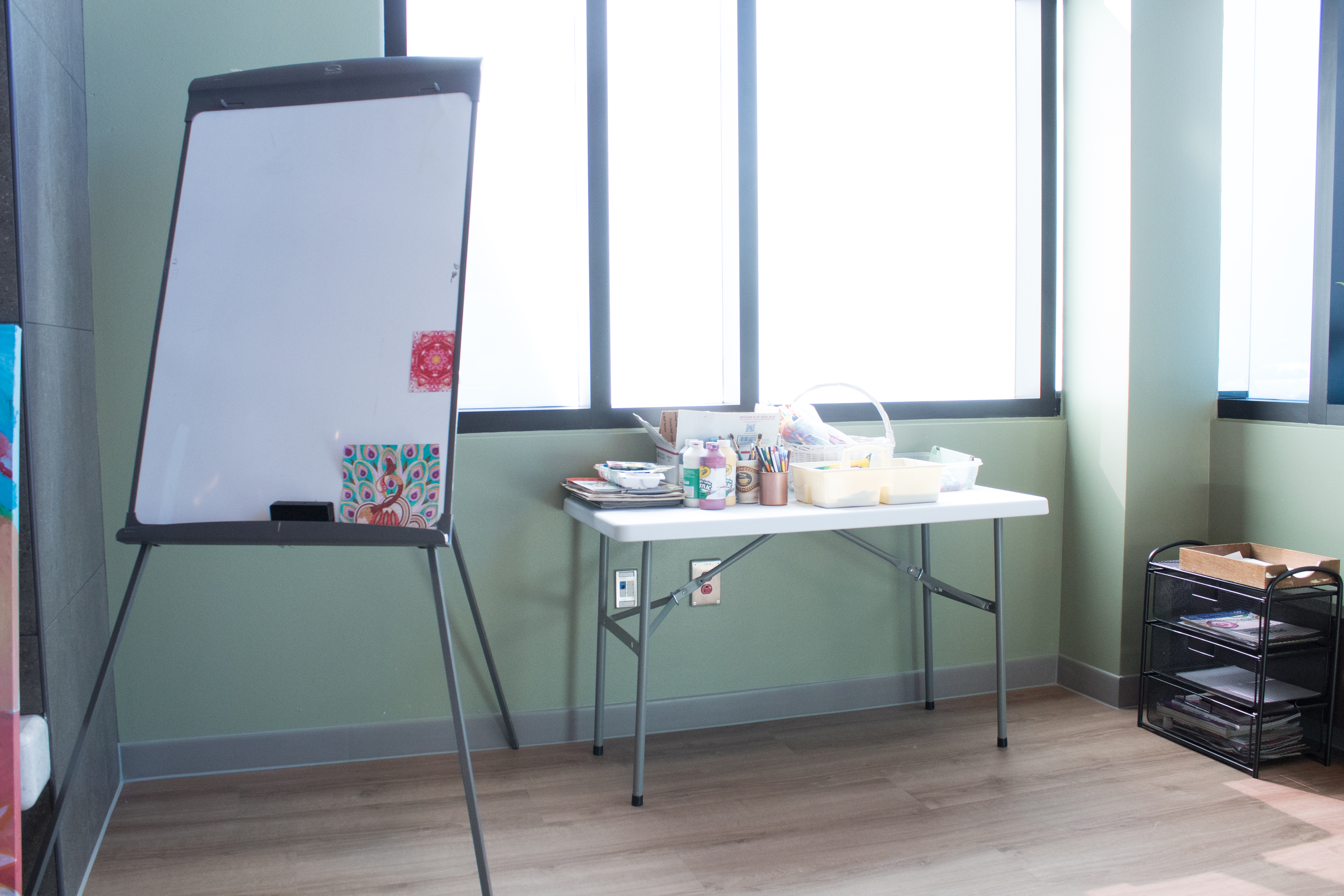
Peer Living Room inside the Behavioral Health Crisis Center.
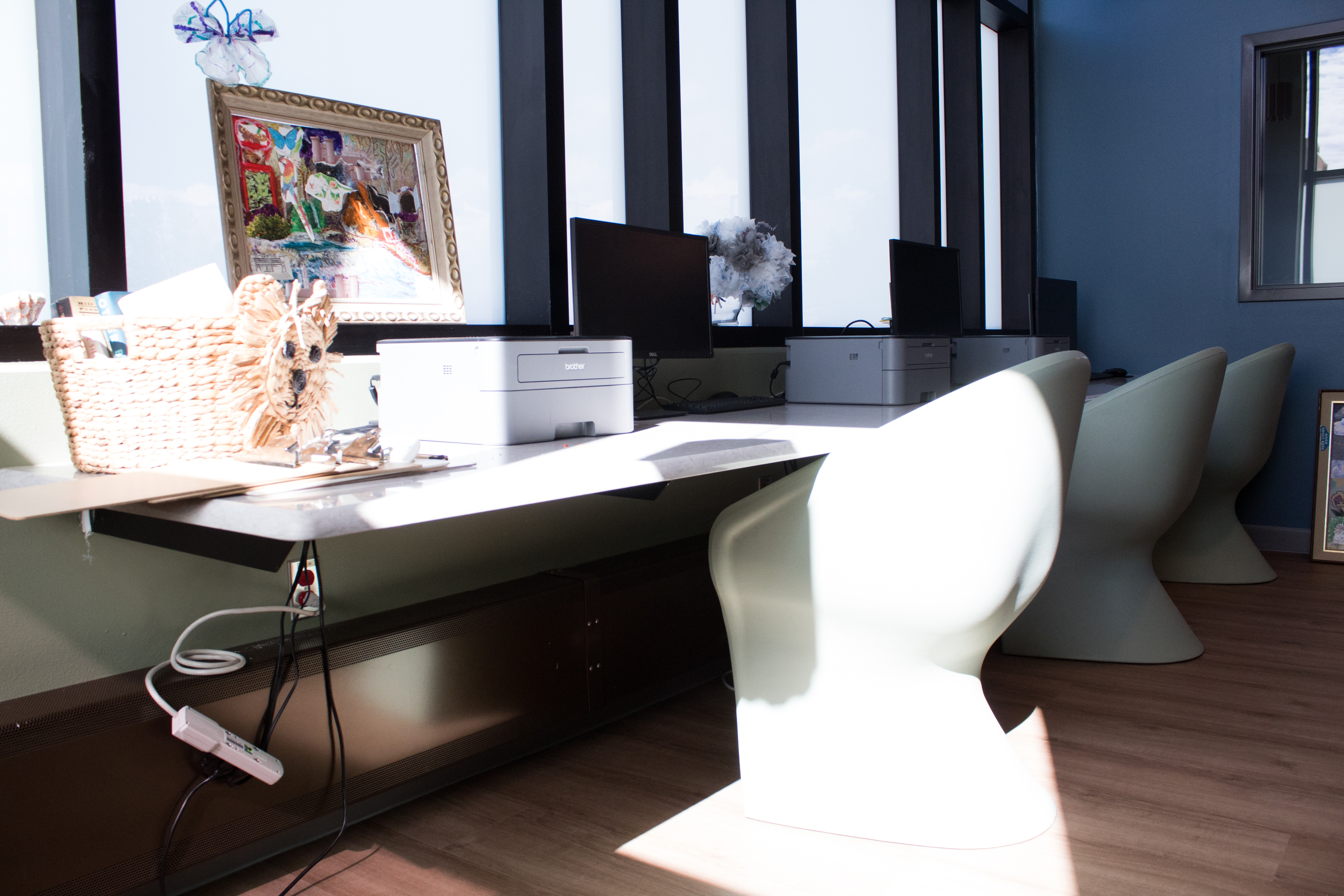
Peer Living Room inside the Behavioral Health Crisis Center.

Peer Living Room inside the Behavioral Health Crisis Center.

Peer Living Room inside the Behavioral Health Crisis Center.
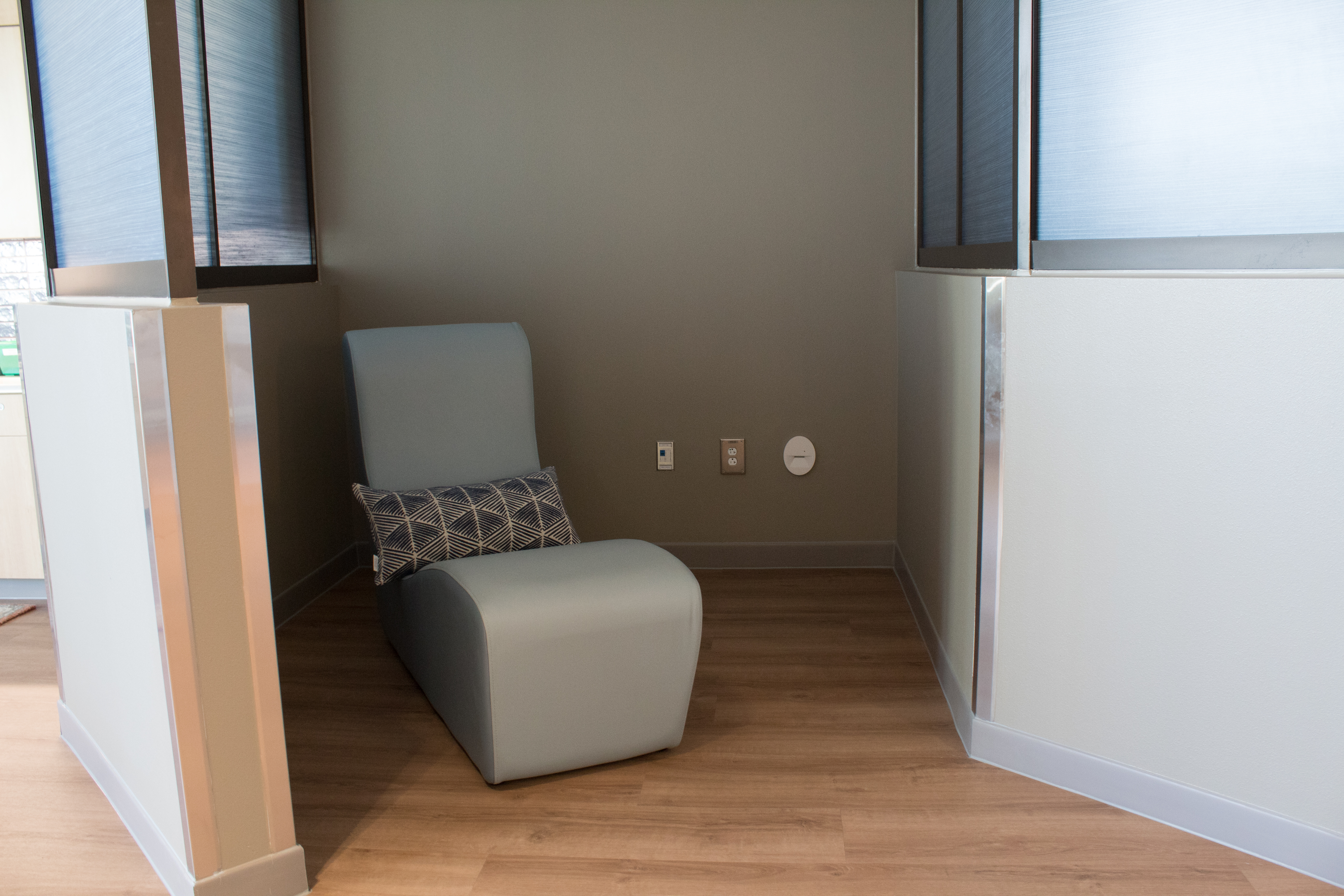
Peer Living Room inside the Behavioral Health Crisis Center.
These services are also paired with the Peer Living Room. This space offers low-acuity and walk-in services to patients. It’s a model that provides a welcoming environment for people to get connected with services they need, on their own time.
“This is a very welcoming place that’s open during the day,” Tohen said. “The public and patients are welcome to come and find information about behavioral care services.”
From November of last year to January of 2026, the Peer Living Room saw 171 patients, according to McNease.
This space is open to people 18 years old and older, and it’s staffed by ‘peer experts.’ Tohen explained these are people who are trained to offer support who also have first-hand experience with mental health conditions and the challenges that come with navigating them.
“Peer experts are someone who has lived with a condition, so they have an experience that the rest of us who have not lived with a specific condition don’t have,” Tohen said. “They are key members of our treatment team.”
Here, patients can seek out services and get connected to resources on their own time. Peer experts can connect them with various partner organizations or health facilities throughout the state. For example, if a patient needs help finding a place to stay, peer experts can help them get connected to housing services.
The space also has computers for people to use when they come in, making it easier to access internet and stay on track with treatment.
Tohen said treating behavioral health comes with many different levels, and it’s important to offer services at all levels patients need.
“We are the safety net, meaning that we are able to treat everybody, but especially the most complicated patients,” Tohen said.
Where to Get Behavioral Health Treatment
The UNM Psychiatric Center offers psychiatric emergency services. It’s the only 24/7 psychiatric emergency department in New Mexico. There’s also a psychiatric urgent care clinic.
To contact the CTC or UNM psychiatric emergency services, please call 505-272-2920 or click here.
To contact the psychiatric urgent care please call 505-272-9038.
The Behavioral Health Crisis Center is located at 2600 Marble Ave., N.E. in Albuquerque.
To learn more about resources available to you, click here.