
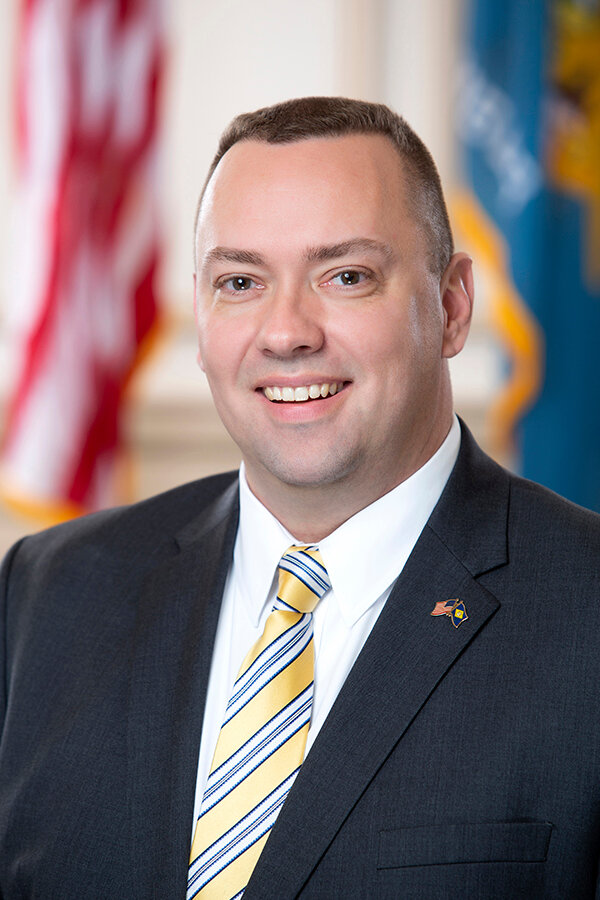
By Sen. Brian Pettyjohn
Sen. Brian Pettyjohn, R-Georgetown, is the Senate’s minority whip.
Delaware, like the rest of the country, is facing a mental health crisis. Rates of anxiety, depression, substance use disorders and other mental health challenges continue to rise across all age groups. At the same time, access to care has not kept pace with demand, leaving many Delawareans waiting weeks or even months to see providers, if they can find one at all.
The simple reality is we do not have enough mental health professionals to meet the needs of our communities.
National data underscores the scope of the problem. According to the American Psychological Association, roughly 60% of licensed psychologists nationwide are unable to accept new patients. In Delaware, the impact is significant and measurable. As of early 2025, more than 316,000 Delawareans live in federally designated mental health professional shortage areas. These shortages affect both geographic regions and specific populations, including children, older adults and low-income families.
That’s why I introduced Senate Bill 208, a practical, responsible step toward addressing this challenge.
SB 208 modernizes Delaware’s psychology licensing laws and establishes a regulated licensure pathway for master’s-level clinical psychology professionals. This bill does not replace psychologists, counselors or social workers, nor does it lower standards for care. Instead, it complements our existing system by allowing an additional number of qualified, well-trained providers to practice in Delaware under clear statutory guidelines.
Importantly, SB 208 maintains high standards for patient safety and professional accountability. The bill creates a structured licensure framework that includes defined educational requirements, supervised clinical training and a clearly delineated scope of practice. These professionals would be trained in evidence-based therapies and regulated by the state, ensuring consistent oversight and quality of care.
This approach is not experimental. Many states have already adopted similar licensing structures, and research consistently shows that master’s-level clinicians who receive high-quality training deliver excellent outcomes across a wide range of mental health conditions, including depression, anxiety disorders, post-traumatic stress disorder, obsessive-compulsive disorder and substance use disorders. These outcomes are comparable to those achieved by doctoral-level psychologists, particularly for psychotherapy services.
By expanding licensure pathways, we can also shorten the time it takes to get qualified professionals into the workforce. Doctoral training is essential and valuable, and it is also time-intensive and costly. Creating a pathway for master’s-level clinicians allows the workforce to grow, while preserving the role of doctoral-level psychologists in complex care, assessment and supervision.
SB 208 also helps Delaware retain talent that we are already training. The University of Delaware is preparing master’s-level clinicians in evidence-based mental health treatment. Without an in-state licensure option, many of these graduates are forced to leave Delaware to practice elsewhere. That is a loss for our communities and a poor return on our educational investment.
Mental health care is not a luxury. It is a critical component of public health, workforce stability, education and community safety. Community mental health centers, schools, primary care settings and publicly funded programs all depend on a strong, diverse mental health workforce to function effectively.
SB 208 is a thoughtful, measured response to a clear need. It strengthens our licensing framework, expands access to care and helps ensure that Delawareans can get the mental health services they need, when and where they need them.
Our responsibility is not just to acknowledge the mental health crisis but to take concrete steps to address it. SB 208 does exactly that.
Reader reactions, pro or con, are welcomed at civiltalk@iniusa.org.