
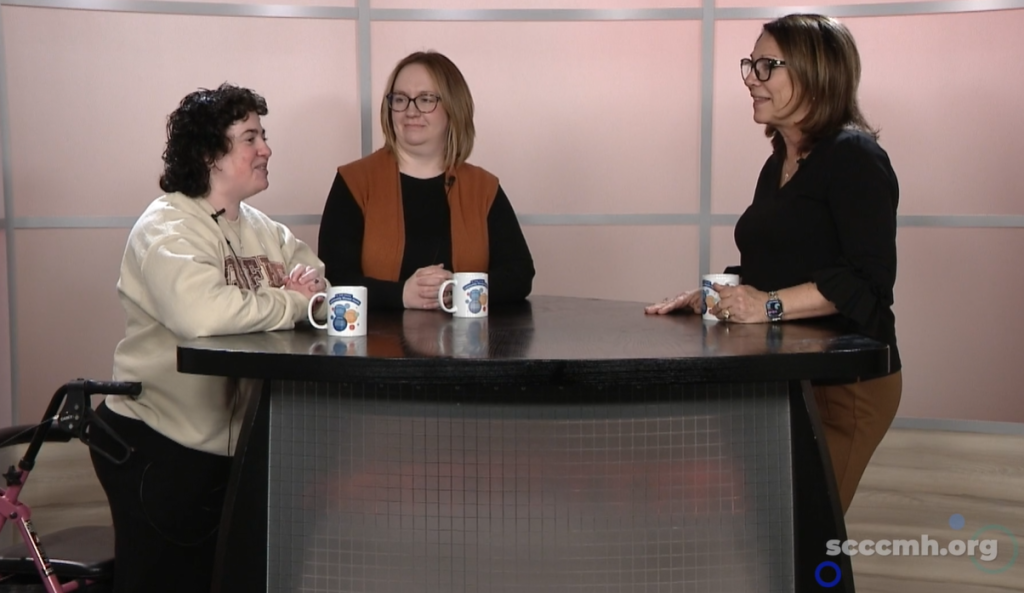
 Kortney Folske participates in a Healthy Minds, Healthy Bodies interview for March, Developmental Disabilities Awareness Month with her case manager Amy Davidson-Guilliams and SCCCMH CEO Deb Johnson. Courtesy.
March is recognized as Developmental Disabilities Awareness Month, and on March 21, we observe World Down Syndrome Day, both of which offer moments of reflection.
These observances invite us to pause, learn, and acknowledge the experiences of people with developmental disabilities. But beyond awareness, they challenge us to ask a deeper question: What does true inclusion actually look like, and why does it matter to everyone in our community?
Inclusion is often framed as an act of kindness or accommodation, something extended to others. In reality, inclusion is a shared investment. When people of all abilities are welcomed, supported, and valued, entire communities grow stronger, socially, emotionally, and economically.
Developmental disabilities are diverse and can affect learning, communication, behavior, and daily living. They are lifelong, but they do not define a person’s potential, personality, or ability to contribute meaningfully to society. What most often creates barriers is not the disability itself, but the environments, systems, and attitudes surrounding it.
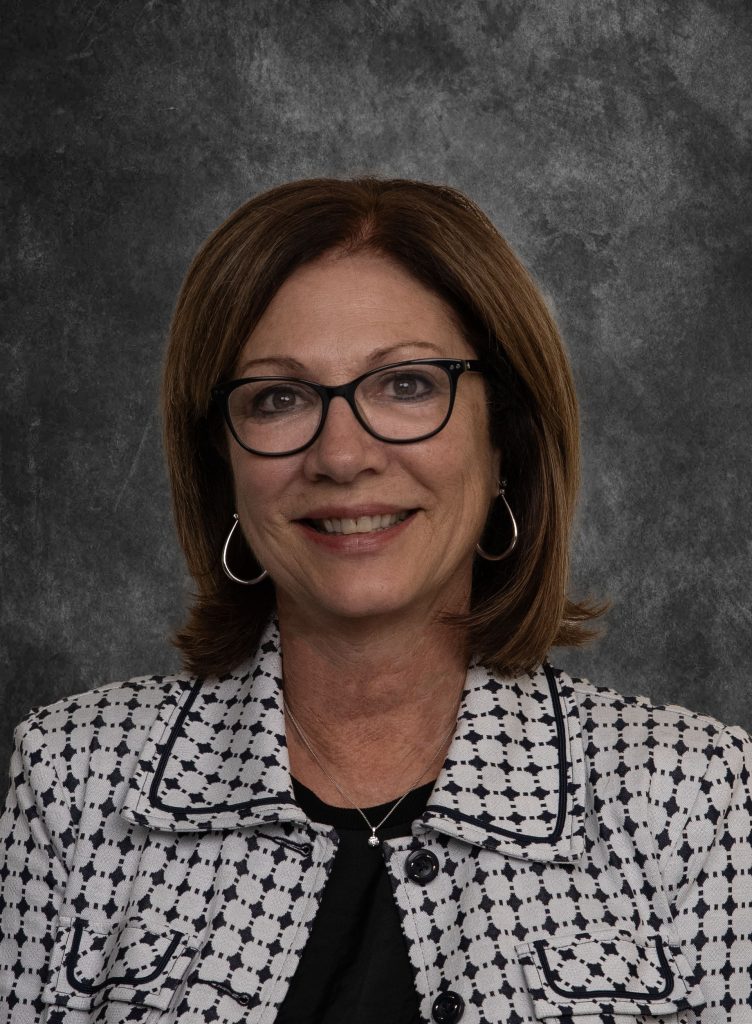 Deb Johnson, CEO of SCCCMH. Courtesy.
“True inclusion requires intention,” states Deb Johnson, CEO of SCCCMH. “It means designing our communities, services, and systems with everyone in mind, because belonging should never be the exception.”
Inclusion goes beyond physical access or policy language. It shows up in classrooms where students of differing abilities learn alongside one another. It shows up in workplaces that recognize the strengths of employees with disabilities and offer the support needed for success. It shows up in neighborhoods, faith communities, recreational programs, and social spaces where everyone is welcome, not as an exception, but as a peer.
“Inclusion isn’t a special program or a box to check,” states Kristen Thompson, LMSW, Adult Services Director at St. Clair County Community Mental Health. “It’s a mindset that shapes how we design services, workplaces, and communities so people of all abilities can belong and thrive.”
When communities commit to inclusion, people with developmental disabilities experience greater independence, improved mental health, and stronger social connections.
“Inclusion means everything to me. The support I get from CMH, from my family, and from being included in my community are essential to help me survive,” states Kortney Folske, an advocate for disability services and access in St. Clair County.
Inclusive communities are more empathetic communities. Children who grow up learning alongside peers with disabilities tend to develop stronger social skills, emotional intelligence, and a deeper understanding of diversity. Workplaces that embrace inclusive practices often report higher employee satisfaction, improved morale, and stronger team collaboration. Communities that prioritize accessibility and belonging become places where more people – parents, seniors, veterans, and individuals with temporary or permanent disabilities – can fully participate.
“Many of the challenges people face aren’t caused by disability itself,” Thompson added, “but by systems and environments that weren’t designed with everyone in mind.”
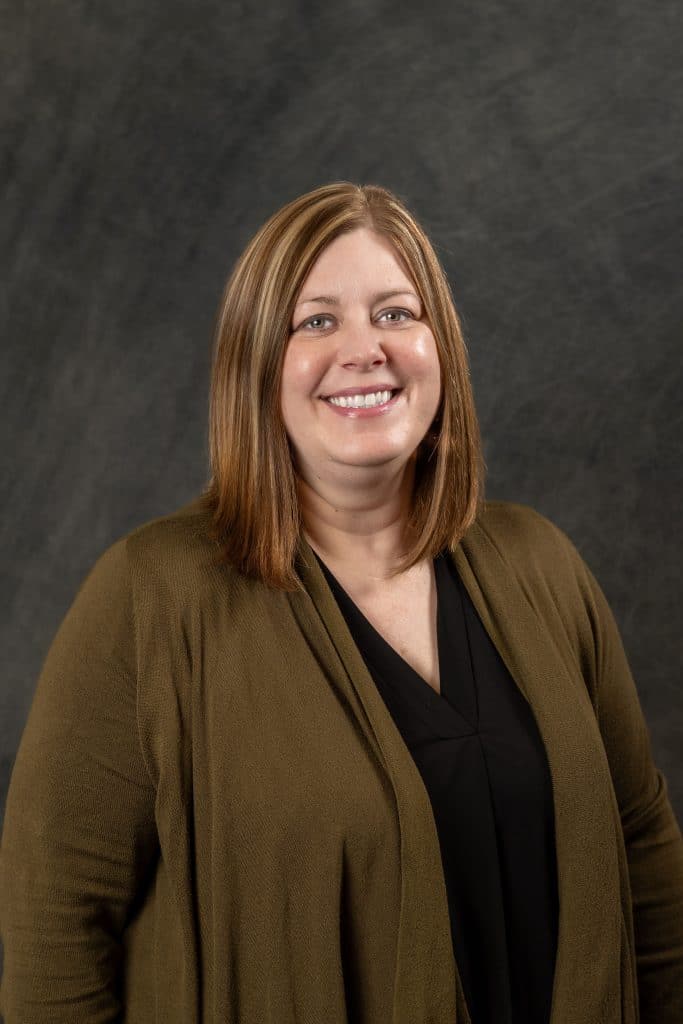 Kristen Thompson, LMSW, Adult Services Director at St. Clair County Community Mental Health. Courtesy.
Language plays a powerful role in inclusion. Person-first language, recognizing the individual before the diagnosis, reinforces dignity and respect. So does listening to lived experience, inviting people with disabilities into decision-making spaces, and challenging assumptions when we encounter them.
Equally important is recognizing that inclusion is not a single action or program; it is an ongoing commitment. It requires reflection, flexibility, and a willingness to grow. It means asking questions like: Who isn’t at the table? What barriers still exist? How can we do better?
“Inclusion is not about lowering expectations,” Thompson said. “It’s about removing unnecessary barriers so people can succeed in their own way.”
At its core, inclusion affirms a simple truth: everyone deserves to belong. “If people are honest and real, we can keep moving forward together. No one deserves to be excluded, and sometimes just asking questions or clarifying needs can move inclusion forward,” adds Folske.
As we recognize Developmental Disabilities Awareness Month and World Down Syndrome Day, the opportunity before us is not just to raise awareness, but to take action – small and large – that builds a community where everyone is seen, supported, and valued.
Because when inclusion becomes the standard rather than the exception, we all benefit.