

Union members and supporters rally Wednesday outside Kaiser Permanente’s hospital on Morse Avenue in Sacramento in solidarity with the National Union of Healthcare Workers’ one-day strike.
ANNIKA MERRILEES
amerrilees@sacbee.com
Thousands of mental health workers went on a one-day strike at Kaiser Permanente locations in Sacramento, the Bay Area and Central Valley on Wednesday, calling for assurances around their workloads and the use of AI in patient care.
Members of the National Union of Healthcare Workers and their supporters lined the street outside Kaiser’s Sacramento Medical Center on Morse Avenue to advocate for contract language that would assure AI is not used to replace employees, and to protect therapists’ designated time for administrative tasks like completing patients’ charts and responding to their emails. The group’s latest contract expired in September.
The California Nurses Association had announced plans to hold a sympathy strike in solidarity.
“We’re getting more and more people referred to us, but we’re not getting more and more therapists,” said Joshua Gibbons, a licensed marriage and family therapist for Kaiser in Roseville. “The wait times that my patients are experiencing are getting longer and longer.”
The union, which represents 2,400 mental health workers, has clashed with Kaiser before, and in 2022 went on a 10-week strike. Two union members — licensed clinical social worker Ilana Marcucci-Morris and outpatient therapist Jennifer Browning — said this week that the health system’s latest offers would roll back some of the gains the guild made during that walkout.
Kaiser said in a statement Tuesday that the health system had plans in place to ensure that care was not interrupted. Employees would contact any patients with appointments that must be rescheduled. Kaiser’s senior vice president of human resources for northern California, Lionel Sims, said in a statement Tuesday that the health system is actively working toward an agreement.
Use of AI
Marcucci-Morris, vice president of the union’s Northern California bargaining unit, said the NUHW is pushing for language in the contract saying that AI will be used to support but not replace health care professionals.
The health system, meanwhile, accused the union of “pushing a false narrative” that Kaiser wants to replace health care workers with AI, and said the technology will not replace human assessment.
“Our objective is to reach an agreement with NUHW that honors our clinicians and allows space for the potential of technology that can support them and help our members,” Sims said in a statement.
“Many AI tools have the potential to help our clinicians spend more time focused on serving our members and patients.”
Role of Kaiser clerical staff
The union also raised concern about what it described as a change in Kaiser’s system, wherein patients seeking mental health care interact initially with clerical staff, not clinical workers. The union said it had filed an unfair labor practice charge over the issue, which it said started in 2024.
Kaiser said in a statement Wednesday that clerical staff make appointments for members and are trained to escalate patients to clinical staff if the patient needs immediate care. The statement said clerical staff do not conduct patient assessments, do triage or make clinical determinations.
Marcucci-Morris said the union, in its previous contract, secured a commitment that a portion of therapists’ time is set aside for ancillary tasks, like preparing for group therapy and making calls for consults.
Kaiser’s proposal, she said, would allow the health system to book appointments during those times when managers deem it necessary.
Marcucci-Morris, Browning and Gibbons said they were concerned by that proposal. Gibbons, the marriage and family therapist, said that while the existing allotment is enough time for some of his colleagues, he already spends time outside of normal work hours catching up on those tasks.
“We are not here for money,” said Browning, the outpatient therapist, who works at Kaiser’s Roseville Medical Center. “We are here for our patients, so we can provide ethical, clinically-relevant care.”
Related Stories from Sacramento Bee
The Sacramento Bee
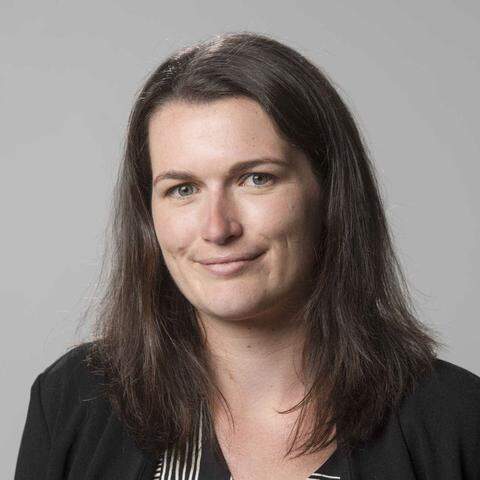
Annika Merrilees is a business reporter for The Sacramento Bee. She previously spent five years covering business and health care for the St. Louis Post-Dispatch.