
(WXYZ) — Prediction markets are exploding online, allowing people to wager money on everything from elections to the economy to their favorite sports team — just in time for March Madness. But addiction specialists here in Metro Detroit say these platforms may be fueling a new and largely unregulated form of gambling addiction.
Experts at Henry Ford’s Maplegrove Center, are sounding the alarm about the addictive potential of apps like Kalshi and Polymarket. I spoke to a former gambler – who is now a peer recovery coach at Henry Ford’s Maplegrove Center – and Maplegrove’s Clinical Director about gambling addiction, prediction markets, and why experts say these platforms are no different than sports betting and casinos.
Watch Keenan’s report below
Experts warn of addictive potential of prediction market apps like Kalshi & Polymarket
WXYZ
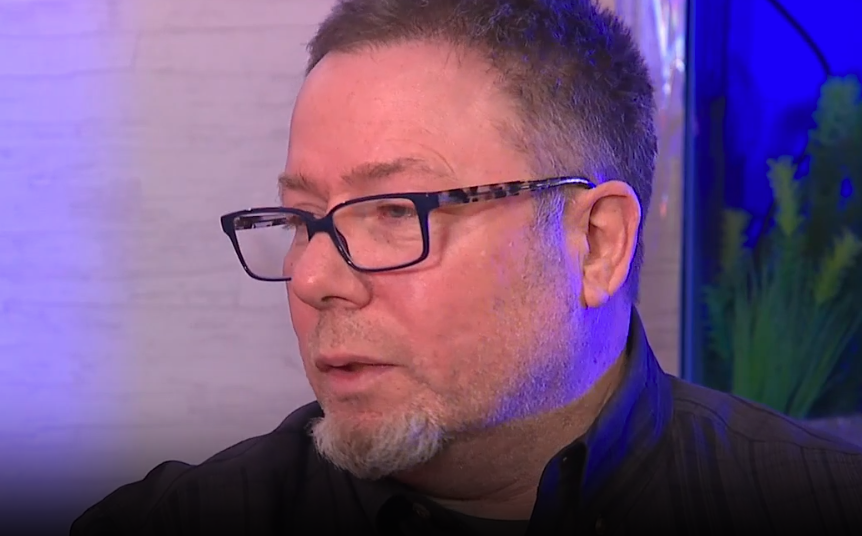
Kirtus Thurston knows what gambling addiction can do.
“I ended up living in my car with a dog in St. Louis at one point,” Thurston recounted. “I actually woke up and…I’m homeless, but how did that happen?”
Today, he’s a peer recovery coach at Henry Ford’s Maplegrove Center.
But years ago, he says, gambling nearly destroyed his life. He calls it the worst addiction.
“I couldn’t drink $10,000 worth of alcohol on a night. I can go down to a casino or open up and go onto a prediction market, and I can gamble $10,000 in one second,” Thurston said.
WXYZ
WXYZ
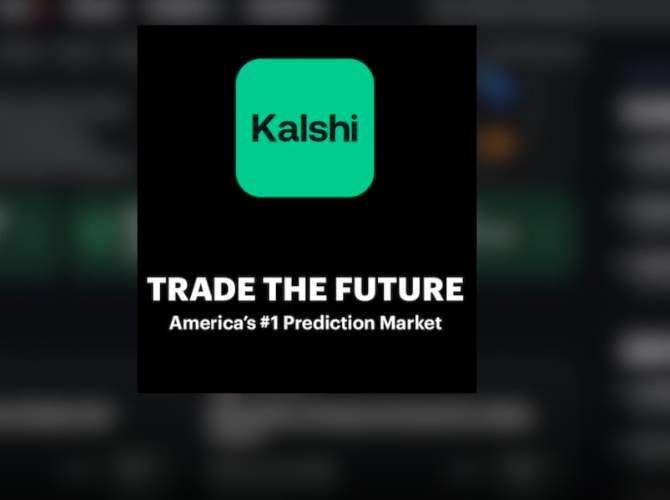
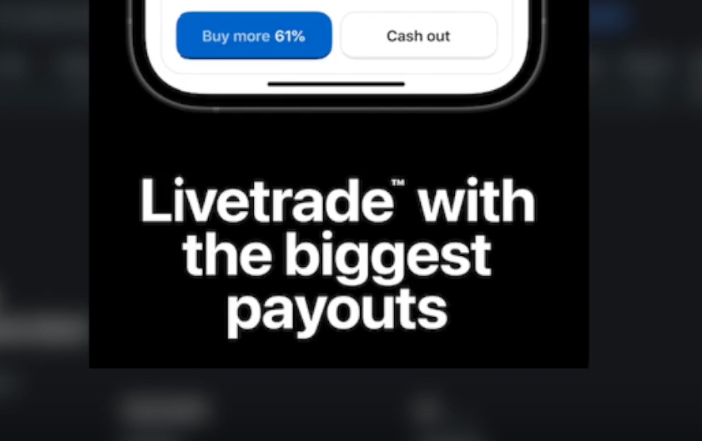
Now says he’s seeing a new version of the same problem, on prediction market apps. Platforms like Kalshi invite users to “trade the future” or “predict basketball outcomes.” Polymarket, another large prediction app, invites users to “live trade with the biggest payouts.” They label it as trading and predicting, not betting.
But addition specialists say it doesn’t matter what you call it.
WXYZ
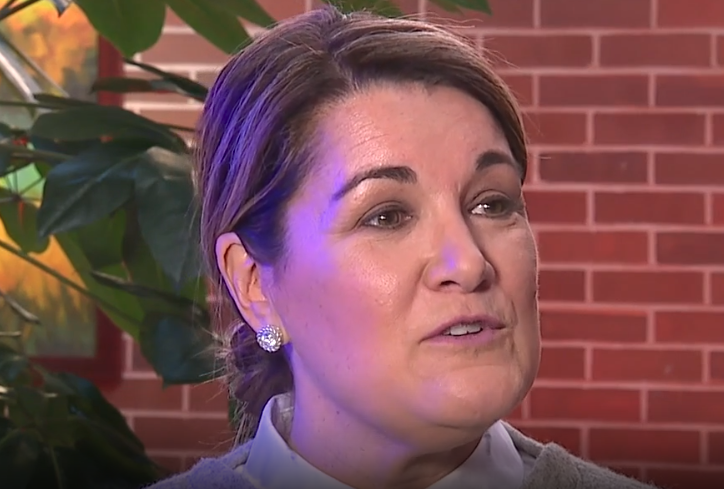
“Whether I am sports betting or whether I’m (using a) prediction market,” I am still wagering something because I think I’m going to get something greater in return,” said Christine Reeves, a Group Practice Manager at Maplegrove.
Reeves says these apps trigger the same reward circuits in the brain as any other form of gambling. Dopamine hits that keep users coming back. But these apps, she says, pose a particular risk to the still-developing minds of those in their teens and early 20s.
“And now we’re introducing something that floods the pleasure center of the brain that teaches the brain to want to do that more,” Reeves said.
Because prediction markets are federally regulated by the Commodity Futures Trading Commission as offering financial products, rather than traditional sports betting, they are accessible to 18-20-year-olds who are banned from legal gambling in most U.S. states.
“Older people, maybe we’d rather just go play a slot machine. These young people, you open up this market, and it’s got bells and whistles. And it looks cool,” Thurston said.
Michigan Attorney General Dana Nessel is suing Kalshi, arguing the platform is operating like an unlicensed sportsbook under the guise of prediction markets. Polymarket has responded with its own federal lawsuit, claiming the state is overstepping. At the center of the legal fight is whether these platforms are financial tools or gambling.
And unlike gambling regulated by the state, critics say prediction markets often lack guardrails. There are no built-in help resources and no easy way to block yourself from the apps.
“You can sign yourself out of FanDuel,” Thurston said. “It’s just on your phone, it’s just on your laptop, it’s just a number at that point.”
For people who get caught in that cycle, the losses can pile up fast, add financial stress, and ruin relationships. But Kirtus knows recovery is possible because he’s living it. And now he’s warning others to beware of a new path to gambling addiction.
I did reach out to Kalshi and Polymarket for this story and never heard back.
Addiction specialists say the biggest challenge is that many people using these platforms don’t realize they’re gambling until the losses pile up.
If you’re looking for help, Maplegrove offers weekly Gamblers’ Anonymous and SMART Recovery meetings.
If you or someone you know is struggling, the Michigan Problem Gambling Hotline offers crisis intervention and treatment referral. You can call at 800-270-7117
Contact our newsroom
Have a tip, story idea or comment on our coverage? Send us a message. You can also call our newsroom directly at 248-827-9407. Please be sure to let us know if you’d be willing to talk on camera about the topic.