
Avery Jardine is a busy first-year student at the New Brunswick Community College in Fredericton, looking forward to a career as an early childhood educator.
It’s a path she hopes will be fulfilling. She said working with children in any capacity always makes her happy.
But recently, Jardine, 19, has been plunged back into a painful part of a mental health journey she hoped she had left behind.
She no longer has access to a psychiatrist.
In her earlier teenage years, Jardine said she was told she had symptoms of borderline personality disorder, a condition that she says means she can “be totally fine one day and the next day plummet to absolute crisis mode.”
Jardine was provided access to a psychiatrist through Horizon Health Network. She said it was a hard-won service that she relied on, at times heavily, although in recent months, not at all.
Even so, she took great comfort in knowing that if she needed it, she’d have somewhere to turn.
WATCH | It’s dangerous to ‘triage’ mental health, Jardine says: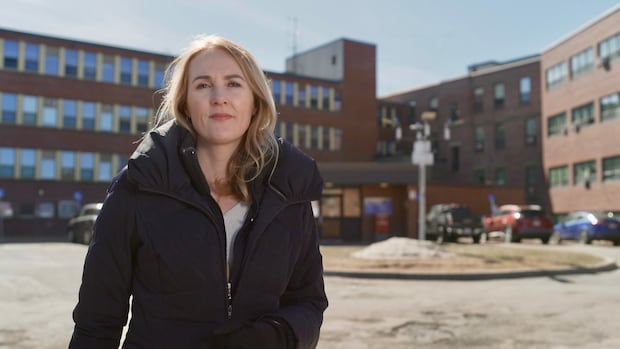
Fredericton teenager loses longtime psychiatrist
Avery Jardine said she has lost access to her psychiatrist through Horizon Health Network after being told there were too many other people in need of urgent care.
That’s why she said she was shocked to receive a letter recently informing her that Horizon Health would be closing her psychiatric file permanently. Jardine said a call to an administrator at the clinic later confirmed that if she was not in immediate crisis, other cases would need to take priority.
Jardine said she was appalled to see mental health patients triaged for services, and that people like her shouldn’t have to prove their priority over the phone.
The Horizon Health Network declined an interview. In an emailed statement, it said psychiatrists periodically review their patient rosters to identify files that have been inactive or dormant.
“This is a routine process that ensures psychiatrists are able to manage their rosters effectively and continue to see patients who are actively engaged in their care, while also providing capacity to add new patients to their roster,” wrote Ashley Calvert, Horizon’s interim vice-president of community.
“Where a file has seen no activity or follow-up over a significant period of time, a letter may be sent advising the patient that their file will be closed, and that a new referral can be arranged should they require psychiatric care in the future.”
The Department of Health said it is aware of 33.5 vacancies for psychiatrists in the provincial health-care system as of March 1.
Department of Health spokesperson Meghan Cumby said that figure represents the number of positions available for recruitment in the province, including newly-added positions and positions soon to become vacant.
Green Party Leader David Coon received a letter from Jardine asking for his support. He said closing the files of mental health patients doesn’t make any sense.
“You go through good periods and then sometimes you go through bad periods,” he said. “And that sort of wave function is quite consistent with mental illness.”
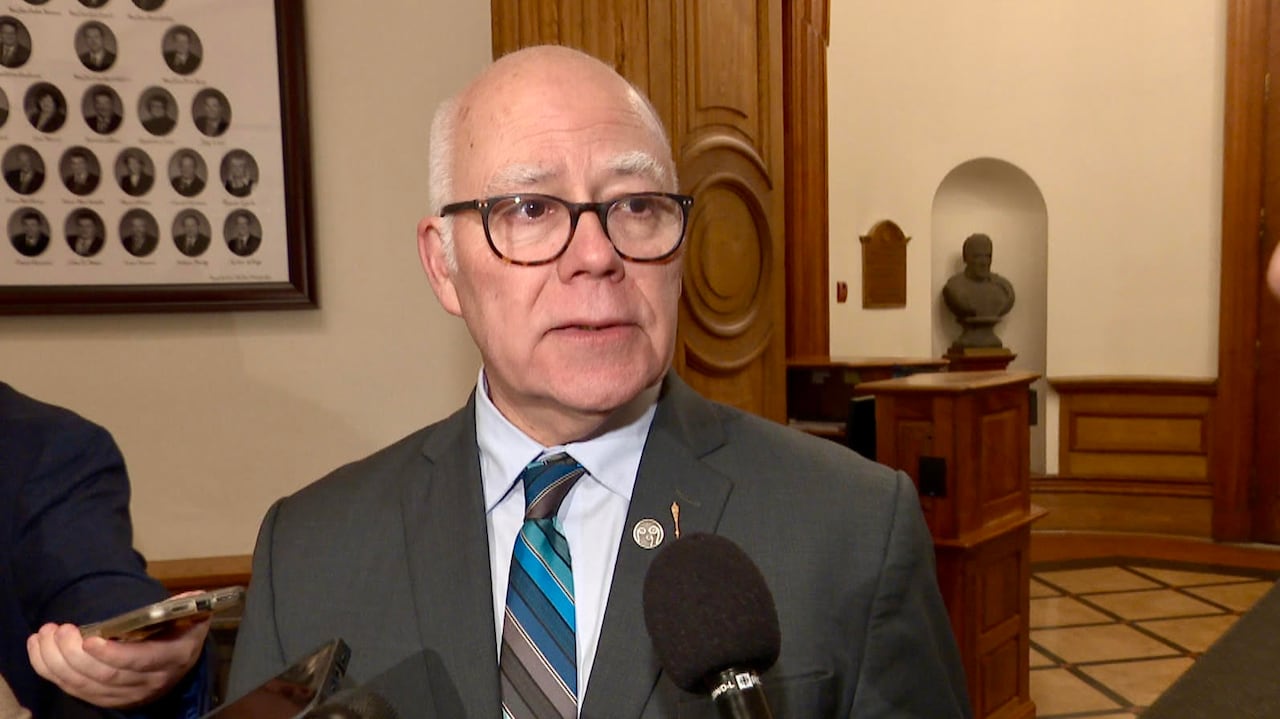 Green Party Leader David Coon says it doesn’t make sense to close patient files when they’re dealing with chronic conditions. ( Tara King-Stewart/CBC)
“You might not have needed them for the last couple of months, but two months later, you might be desperate to see your psychiatrist.”
Coon said this also leaves patients without proper monitoring of medications for neurological disorders, which all have to be adjusted now and again.
Emergency room care
Jardine said she was granted access to a psychiatrist through Horizon Health when she was 14-years-old and suicidal. Even still, she said that service didn’t come easy.
“My mother had to fight tooth and nail to get me the support that I so desperately needed,” she said, which included an emergency room wait of around eight hours to see a psychiatrist.
That visit followed public outcry over news of a 16-year-old Fredericton-area girl who died by suicide within days of leaving the Dr. Everett Chalmers Hospital without receiving care.
A report from the province’s child and youth advocate determined that Lexi Daken’s death was preventable. It made several findings, foremost that health-care professionals don’t have adequate mental health training.
A coroner’s jury and Horizon Health Network made their own recommendations, calling for better training and investments to address the shortage of mental health professionals.
During this time, Jardine said there was a strong sense of fear in her household.
“My mother was scared that I would be next.”
That fear is reawakening for Avery’s mother, Deidre Jardine. She recalls many sleepless nights before her daughter was granted psychiatric care.
“It was just a very difficult time,” she said. “To see your child struggling like that and you’re not able to fix it. As a parent, you want to fix it and you can’t, there’s nothing you could do.”
“You can listen to them and you can advocate for them, but … it’s hard to advocate if there’s nowhere to advocate to.”
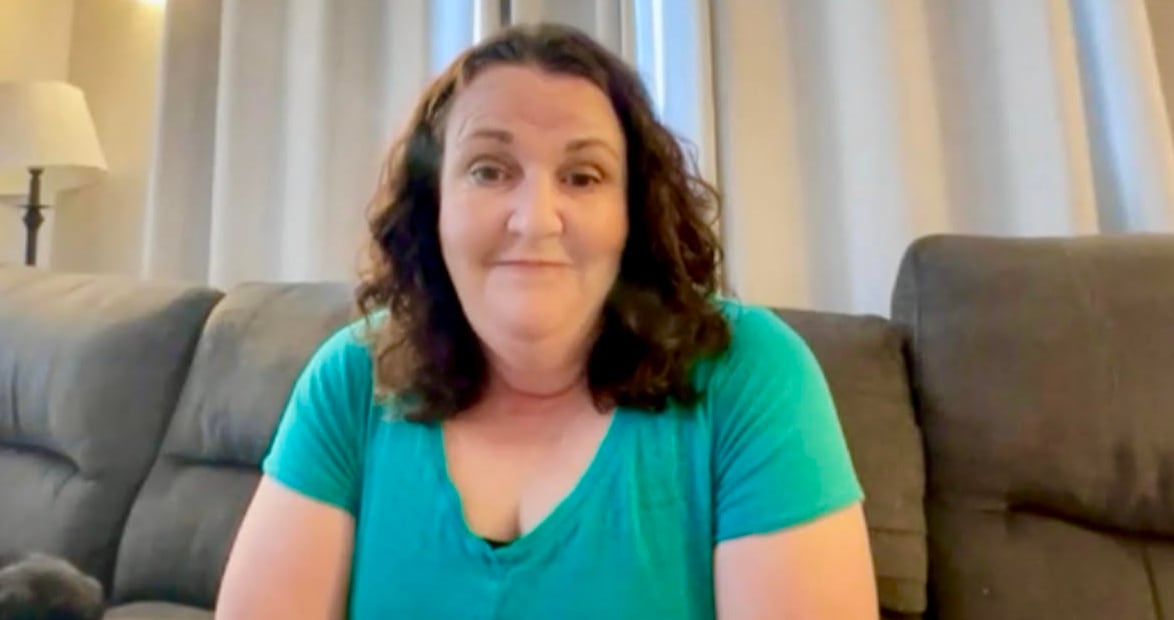 Deidre Jardine, Avery Jardine’s mother, says she is disheartened to see her daughter lose services she desperately needs. (Zoom)
Deidre’s private insurance covers psychiatric care, but with a cap of $500, which she said will only pay for about three sessions. She’s now searching for any other publicly-funded services that will keep her daughter out of the emergency room.
“With mental health, you don’t know what will happen and when it will happen and when you’ll be triggered,” she said. “It was disheartening to see that she was let go and the hopelessness of feeling that if she does need the help, what do we have to go through to get the help again?”
Deidre said she worries things may be even more difficult now that her daughter is an adult.
Until they can find another avenue for support, the mother and daughter say they’re just praying they won’t need help tomorrow.