
Community Health & Wellness Police & Fire
Family members of Aleksandr Shablykin, the 32-year-old believed to have killed his mother and three others in a Feb. 24 attack near Wauna, said they made attempts to help him and protect themselves. But were met with what they described as a broken mental health care system.
Shablykin allegedly stabbed his mother, Zoya Shablykina, 56; Stephanie Killilea, 67; Joanne Kathleen Brandani, 59; and Louise Sandra Talley, 81, to death before a Pierce County deputy fatally shot him. The family said Shablykin had bipolar disorder and recently stopped taking his medication.
The tragedy was the second on the Key Peninsula in as many months. Jennifer Lantz, a 48-year-old para-educator, was allegedly shot by her son at her home in January. Family members said her son struggled with an unspecified mental health condition and substance use.
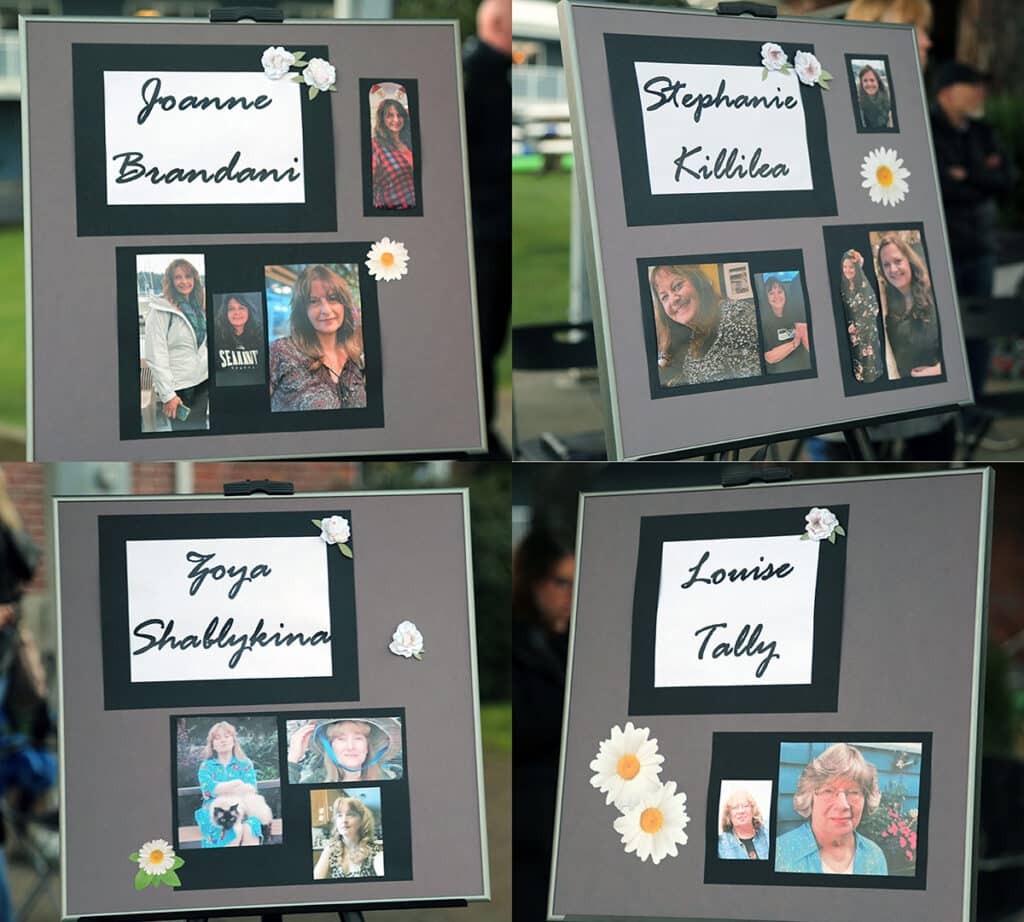
Posters at a candlelight vigil in Gig Harbor last month memorialized the women killed late last month near Wauna. Photos by Vince Dice
Bipolar disorder
The killings reverberated widely and ignited conversations about mental health in the normally quiet community. Yet without a complete picture of either incident, it is difficult to determine what interventions could have been taken or the exact role behavioral issues played.
Having a mental health diagnosis – even those considered serious, like bipolar disorder, schizophrenia or major depression — is relatively common and not a reliable indicator of future violence. One in 20 Americans have lived with a serious mental condition, according to SAMHSA. The vast majority are not violent.
Shablykin had lived mostly without incident for about 10 months before the Feb. 24 attack, said Rob Knowles. Knowles’ partner, Anastasiya, is Shablykin’s sister.
‘When he was on the meds, he was OK’
Shablykin lived in their garage and was agreeable and appreciative during his time there, he said. He had a great relationship with their daughter.
Shablykin moved into the family’s home shortly after being discharged from Wellfound Behavioral Health Hospital in Tacoma, where doctors prescribed medication to treat his bipolar disorder. Knowles was not certain what Shablykin took, but emphasized its profound impacts.
“I don’t know about mental illness or chemical imbalance or anything like that,” he said. “I do know that when he was on the meds, he was OK. When he wasn’t, he definitely wasn’t OK.”
Knowles worried about Shablykin, who he said spent long periods in isolation on his computer, had no outside relationships and had little ambition. He said he was unsure if he saw a therapist. Even during periods when he was not doing well, though, Knowles never believed Shablykin was a threat.
“I never saw that in Aleks,” he said.
Court orders
Shablykin did have some history of alleged aggressive actions, mostly toward his mother, Zoya Shablykina. Knowles said Aleks “tormented Zoya.”
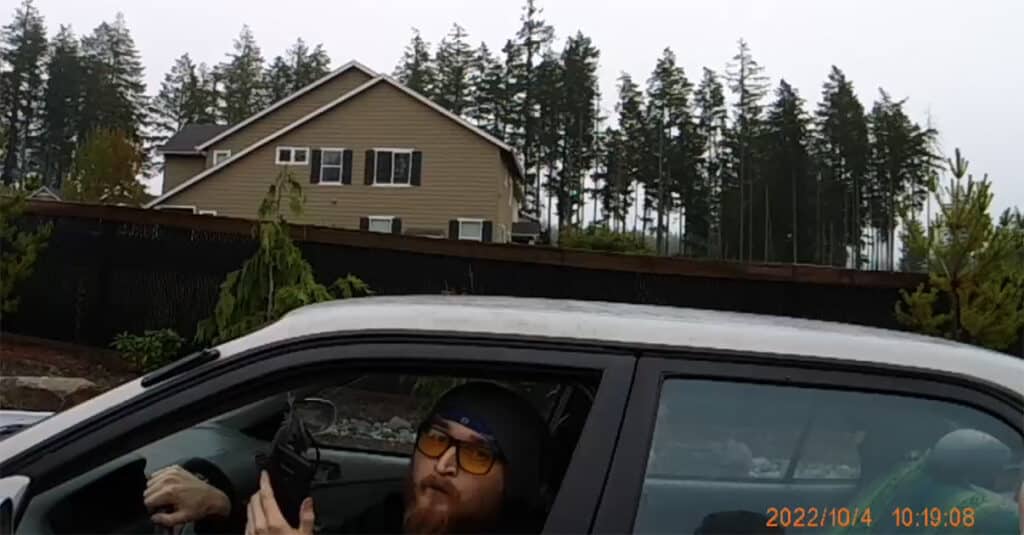
Aleksandr Shablykin during a 2022 traffic stop in Gig Harbor. Officers cited Shablykin for driving without a license. Image taken from body cam footage obtained via public records request
Zoya first requested a protection order against Shablykin in 2020, according to court records. She alleged he had threatened the family and believed himself to be a god. He allegedly threatened his sister with a knife because he didn’t like having her boyfriend at the house.
A Pierce County Court commissioner granted the protection order on Jan. 21, 2021, and it remained in effect for a year. Knowles said Shablykin carried animosity towards Zoya. After she had made him leave, he spent time living on the street and in his car.
Courts granted another protection order in May 2025. Zoya wrote that Shablykin had exhibited grandiose thinking, made threatening remarks, abused her and hurt her cat. He told Zoya that her “grave had already been dug up” and claimed to be an Egyptian god.
On April 2 of last year, documents allege Zoya left the house due to a conflict and returned to find Shablykin acting “delusional.” Frame pictures were destroyed, her cat was missing and the fire alarm was going off, according to documents.
Court officials ordered Shablykin to leave for one year and undergo a treatment plan that was put in place after he left St. Joseph’s Hospital in Tacoma. They included “medication compliance.” He did not attend the hearing.
Not my brother
A week before the Feb. 24 killing, Knowles said Shablykin started exhibiting strange behavior.
Shablykin, who did not smoke cigarettes, picked one up off the ground and then bought a pack, he said. Later on, Knowles found Shablykin standing in the backyard around midnight, in the pouring rain, and acting unusually “giddy.”
One day, Knowles said he found Shablykin on the back porch in an “elevated” and “over-the-top” mood. Knowles asked Shablykin if he was taking his medication, but Aleks did not provide a clear answer.
Knowles got angry and threatened to make Shablykin leave if he did not answer him. Anastasiya came out moments later, Knowles said, and proclaimed “that’s not my brother.” She agreed he needed to leave.
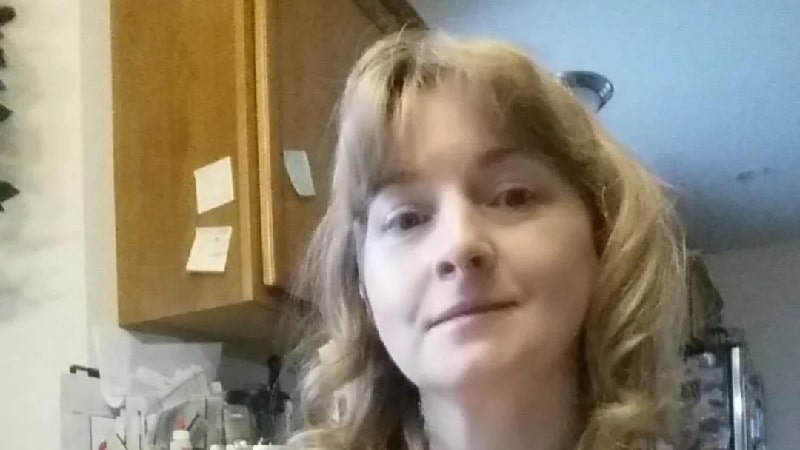
Zoya Shabylinka
The family believe Shablykin stopped taking his medication at some point, but Knowles said they were unsure what led to that decsion. He had previously talked about experimenting with going off his medication, which made him feel lethargic, Knowles said, but promised never to do so while living in their home.
Shablykin fled in a vehicle shortly before Knowles called police. Anastasiya was adamant that he was going to Zoya’s home, Knowles said. They called Zoya, who asked why they had to call the police and not an ambulance. She was a “mom forever,” he said.
‘Failed everyone’
At Zoya’s house, Shablykin asked for tea and a blanket, Knowles said, and then left. He returned the next day and took over the house, locking Zoya out.
Zoya called police at 8:41 a.m that day to report violation of a protection order, according to a press release from a Pierce County independent investigation team. The court-approved order, issued less than a year earlier, should have still been in effect.
Deputies learned the protection order was valid but was never served, according to a statement. It is unclear why the order went unserved. Deputies received a copy of the order and were on the way to Zoya’s house to serve it when witnesses reported a man stabbing people outside the home around 9:30 a.m.
Calls of shots fired went out at 9:33 a.m — almost an hour after Zoya had first called 911.
Knowles said Anastasiya and Zoya texted throughout the incident. While driving the home in Wauna, Knowles said, Zoya’s mom called from Kentucky. The line kept dropping, but they heard her say Shablykin had “killed Zoya.”
Knowles said after they arrived they waited hours before officers confirmed Zoya had died. The response by law enforcement that day, he said, “failed everyone.”
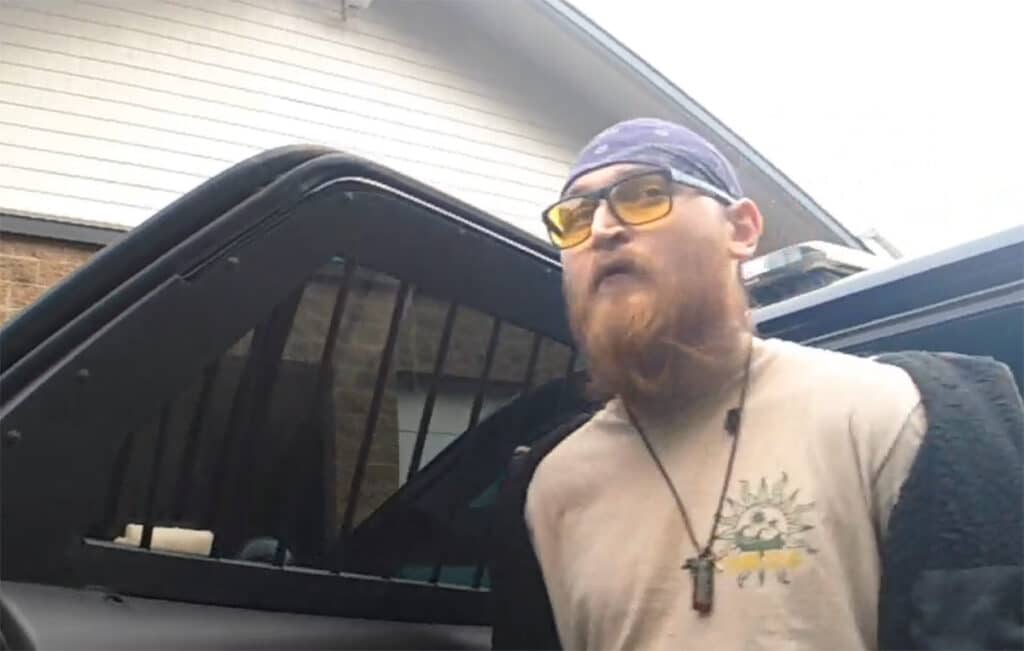
Aleksandr Shablykin in an image from a 2022 Gig Harbor Police body camera video. Police arrested Shablykin after he refused to leave the property of a business from which he had been trespassed.
Things could have been different
The garage where Shablykin once lived is now filled with boxes of Zoya’s things. Knowles said he cannot explain how much Anastasiya loved her brother — and how torn up she is about what happened.
Anastasiya, he said, once told him how Shablykin had admired him. She told Knowles he would be “the father he never had” Knowles said he never asked Shablykin for a dime and hoped that he would eventually find his place.
Shablykin, he said, had a family that loved him and a place to get off the street. Knowles said he keeps thinking “how many other people like him are out there on the street right now,” without the same benefits and how the family were given few resources to help him.
“For me, things could have been different, man, they certainly could of,” he said. “This will not be the last time and it should be.”
Conor Wilson is a Murrow News fellow, reporting for Gig Harbor Now and the Kitsap Sun, a daily newspaper based in Bremerton, through a program managed by Washington State University.