
Through film, storytelling, and access to free therapy, the nonprofit encourages students to speak openly about eating disorders and mental health
Across college campuses and school auditoriums, a quiet but meaningful shift is taking place. Students are beginning to speak more openly about mental health.
Project Blackbird, a nonprofit initiative centered on storytelling and shared experience, is helping lead that change. The organization hosts events designed to break down stigma surrounding eating disorders, depression and anxiety.
Each program invites students into a supportive environment where honest conversations can begin.
The event opens with a screening of the award-winning short film Blackbird. The film follows two young women navigating life inside a treatment center, exploring friendship, identity and the complicated path toward recovery.
After the screening, students take part in a moderated panel discussion featuring Project Blackbird founder Alexandra Miles. Actors, musicians, athletes and mental health professionals often join the conversation to share their own experiences.
The discussion focuses on recovery, vulnerability and removing the shame often associated with mental health struggles. For many students, it is the first time they hear public figures speak openly about these challenges.
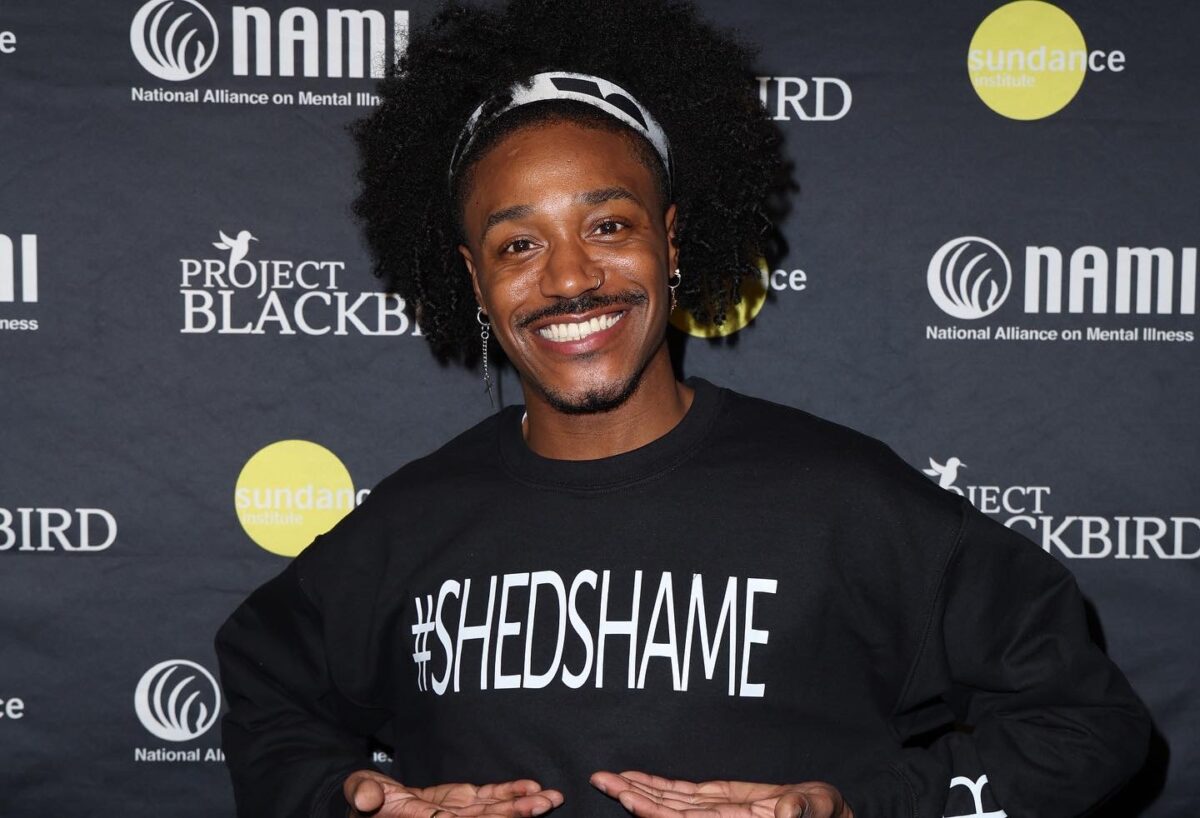 Dewayne Perkins at Sundance for Project Blackbird #SHEDSHAMECredit: Image Courtesy Project Blackbird
Today, Project Blackbird brings its programming to colleges, high schools and communities across the country.
Scroll to continue reading
What Happens During a Project Blackbird Event
Each Project Blackbird event is designed to guide students through conversation, reflection and access to support.
After the panel discussion, students participate in a reflective journaling activity that encourages them to process the conversation privately. The exercise allows attendees to take a moment for personal reflection after hearing the stories shared on stage.
The event concludes with a resource fair where students can connect with campus counseling services and national mental health organizations.
The goal is simple. Students should leave not only inspired, but supported with real pathways to care.
Why Now?
The program arrives during a period of growing mental health concerns among young Americans. According to the Healthy Minds Study published in 2025, 44 percent of college students reported symptoms of depression, while 37 percent reported experiencing anxiety.
Fifteen percent said they had considered suicide, the highest level recorded in the survey’s 15-year history.
Mental health challenges often begin early in life. Research shows that half of all lifetime mental illness begins by age 14, and nearly three-quarters begin by age 24.
Suicide remains one of the leading causes of death among young Americans. It ranks second among children ages 10 to 14 and third among people ages 15 to 24.
Despite these numbers, only about 30 percent of college students experiencing serious mental health symptoms seek help.
Programs like Project Blackbird aim to change that by making conversations about mental health feel more approachable and by connecting students with available support.
The Power of Shared Stories
The most powerful moments often happen after the program formally ends.
Students frequently stay behind to continue talking, sharing personal experiences or asking questions about mental health resources. For some attendees, the event becomes the first step toward seeking help.
University administrators say the program helps open conversations that students often struggle to begin.
“Bringing Project Blackbird to our campus began an important conversation around eating disorders and mental health,” a George Washington University student affairs representative said.
Mental health advocates who partner with the organization have seen similar results.
“Experiencing the impact of Project Blackbird firsthand has been truly amazing,” a representative from NAMI Central Texas said. “I have witnessed meaningful conversations unfold after events.”
Through film, storytelling and community dialogue, Project Blackbird hopes to reshape how young people talk about mental health.
Because when honest conversations begin, stigma begins to fade.