
Katie Cook, 21, says living with PMDD can be like “a switch is flipped overnight”, as she faces extremely low moods, irritability and depressive episodes for two weeks every month.
08:33, 22 Mar 2026Updated 13:56, 22 Mar 2026
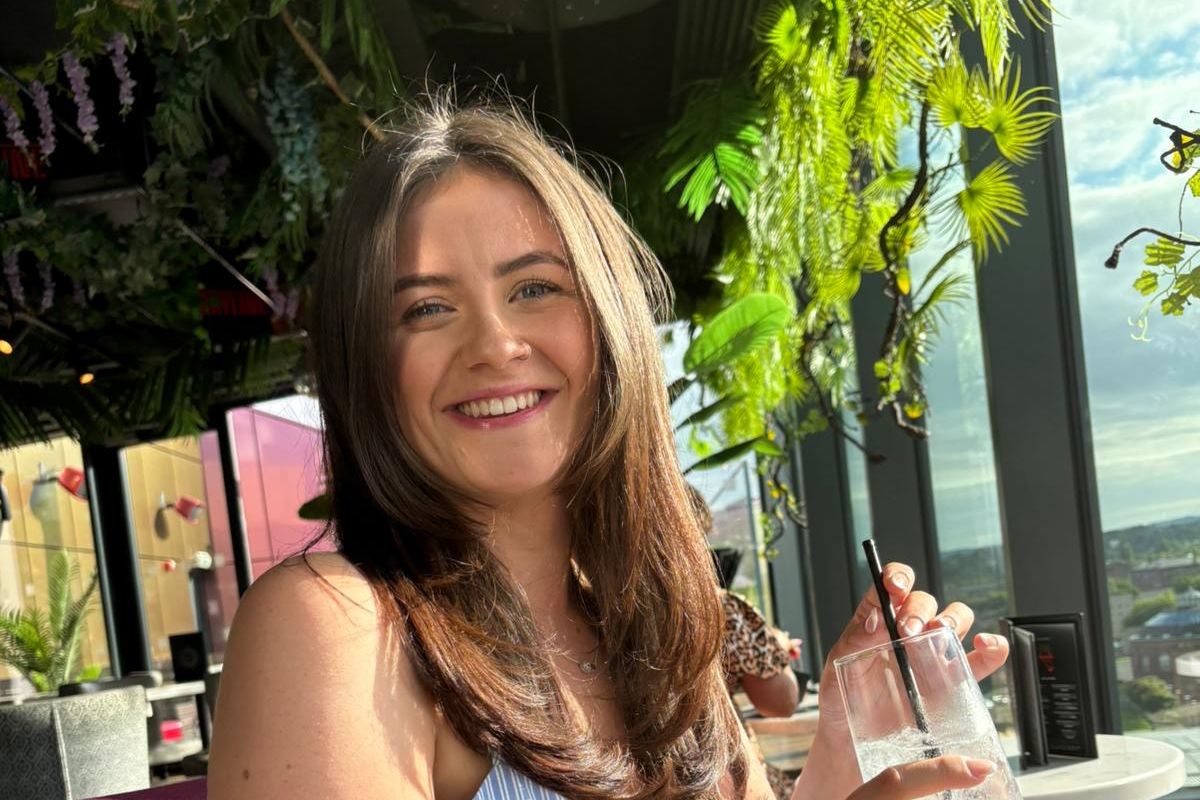
Katie Cook, 21, has struggled with PMDD symptoms since she was 12-years-old(Image: Supplied)
A Glasgow student who faced an eight-year battle to be diagnosed with Premenstrual Dysphoric Disorder (PMDD) has shared what it’s like to live with the severe and chronic condition. Katie Cook, 21, says living with PMDD can be like “a switch is flipped overnight”, as she faces extremely low moods, irritability and depressive episodes for two weeks every month.
She has been raising awareness online to remind others with the chronic condition that they’re not alone.
PMDD is a condition that is similar to premenstrual syndrome (PMS) but is more serious. It can cause severe irritability, depression, or anxiety in the week or two before menstruation, with symptoms usually going away two to three days after the period starts, according to the NHS.
It is caused by an abnormal reaction in the brain to the natural hormonal changes of oestrogen and progesterone during the menstrual cycle. PMDD is often undiagnosed due to a lack of research and awareness into the condition.
It took Katie, who is a final year psychology student at Glasgow Caledonian University, around eight years before she was diagnosed with PMDD. She says she suffered intense “periods of darkness” throughout her teen and pre-teen years, seeking help from several GPs and gynaecologists before finally being diagnosed at 19.
Katie told Glasgow Live: “I would go to the doctors and explain all my symptoms, and a lot of the time I was told I was just sensitive or hormonal. It felt quite dismissive sometimes, especially when I didn’t know what was going on.”
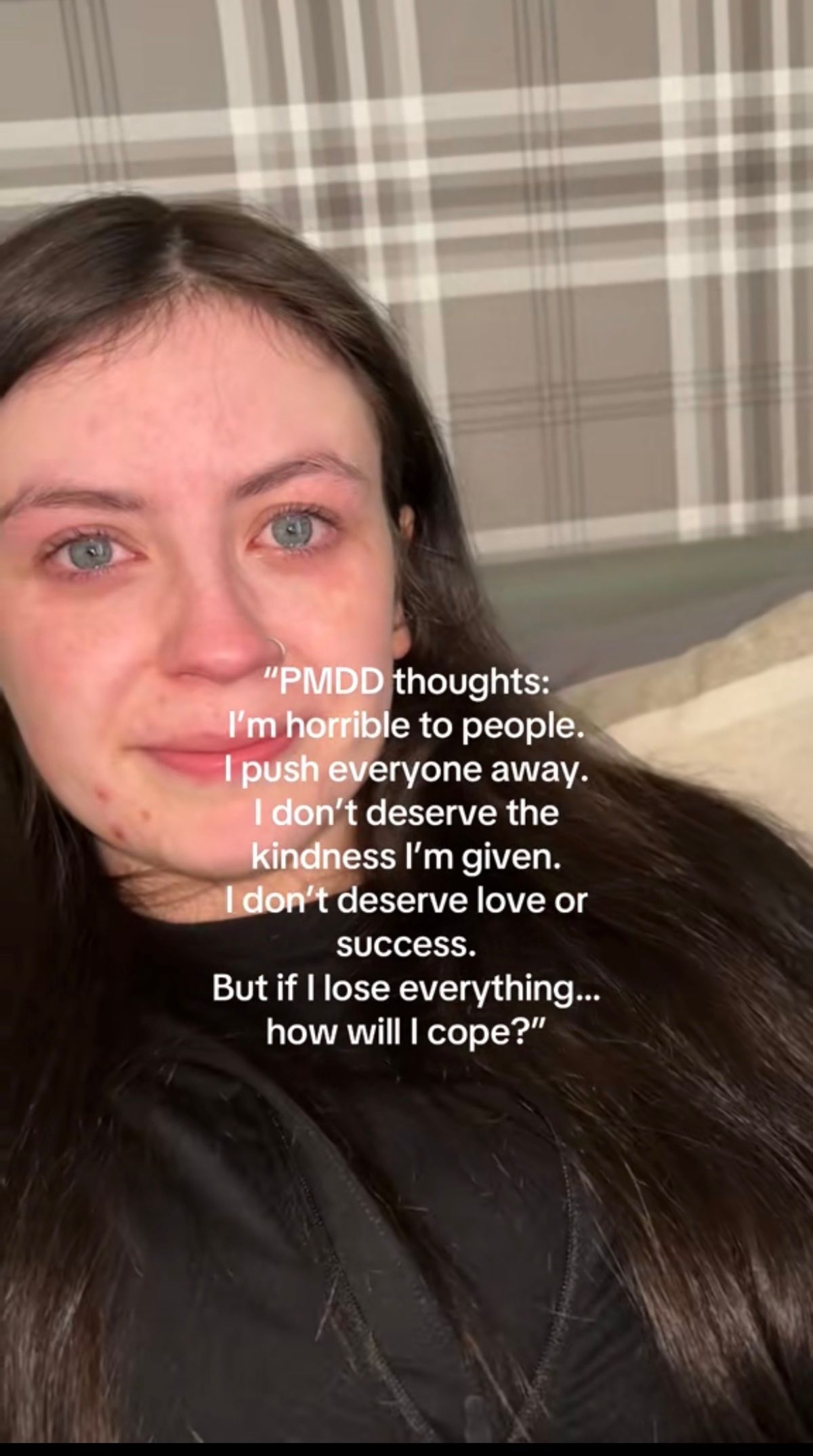
Katie shares her experiences of PMDD on TikTok(Image: Supplied)
After eventually being diagnosed around three years ago, Katie now understands her symptoms- but she still struggles with them.
She explained: “Sometimes it comes on gradually. Sometimes it’s like a switch has been flipped overnight. I might wake up teary, and just know that it’s not going to be a great day.
“Usually it starts with feelings of hopelessness, feeling like I haven’t accomplished much in life. The fact that I wake up emotional, I know it affects the people around me- my partner, family and friends.
“When it’s two weeks of the month, sometimes you feel like you’re complaining all the time.”
Katie says that while her symptoms can be difficult to handle, others with PMDD can suffer more severe lows, and even suicidal thoughts.
She added: “Some people do get suicidal ideation as well, though I wouldn’t say I experience this. The feelings of hopelessness and sometimes really dark thoughts haven’t extended that far for me, because I try to manage it and remind myself that it’s just my symptoms.”
That said, Katie says it can be difficult to reach out to friends and family when she’s feeling low, and her PMDD can make her feel like she “doesn’t deserve help”.
She said: “You can feel like you don’t deserve the kindness that people are trying to give you, which I think can lead you to isolate yourself more.”
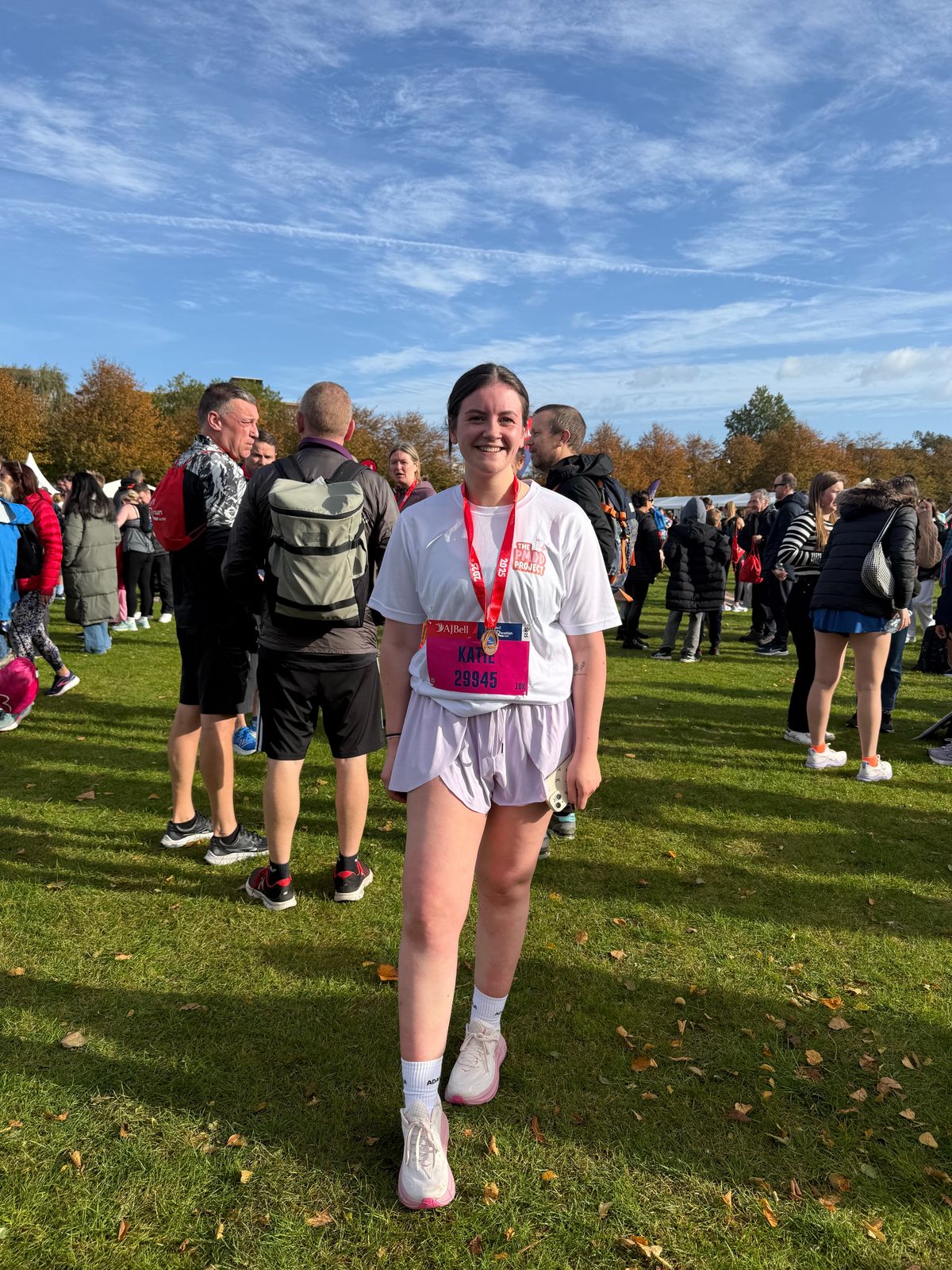
Katie has been advocating for awareness, including running The Great Scottish Run for The PMDD Project.(Image: Supplied)
Katie, from the Isle of Lismore near Oban, has been taking the antidepressant citalopram since December, though it’s too early to say how much it has helped her symptoms. She says medicating PMDD can be a case of “trial and error” because of a lack of information on the condition.
To spread awareness, Katie started an account called the “PMDD Diary” on TikTok, which lets others living with symptoms know that they’re not alone. Her page has almost 4000 followers, and Katie has built a safe community where she and others with PMDD can support each other.
She also ran the Great Scottish Run in Glasgow last year for the PMDD Project- a charity dedicated to supporting those with the condition.
To stay positive through her low periods, Katie has recently started leaving reassuring letters for strangers around Glasgow and her uni campus to remind others that whatever you’re going through, there’s a reason to smile.
She said: “I was thinking about others, not just those with PMDD but those struggling with everyday life, and I thought [leaving the notes] could put my week off to a good start.”
Katie has delivered seven positive letters so far, even receiving two grateful responses from strangers who found them and reached out to her online.
She said: “The letters are reaching people who really need it. It didn’t cost me anything to make someone smile- and it made my day 10 times better than yesterday.
“During a hard PMDD phase, when your cup is half full, you can’t always pour out kindness to other people. But after a hard time, doing a random act of kindness can remind you that life is good.”
You can find out more about Katie’s PMDD diary on TikTok here.