
Spring for the facts
Support reporting that keeps Vermonters informed and engaged in our communities.
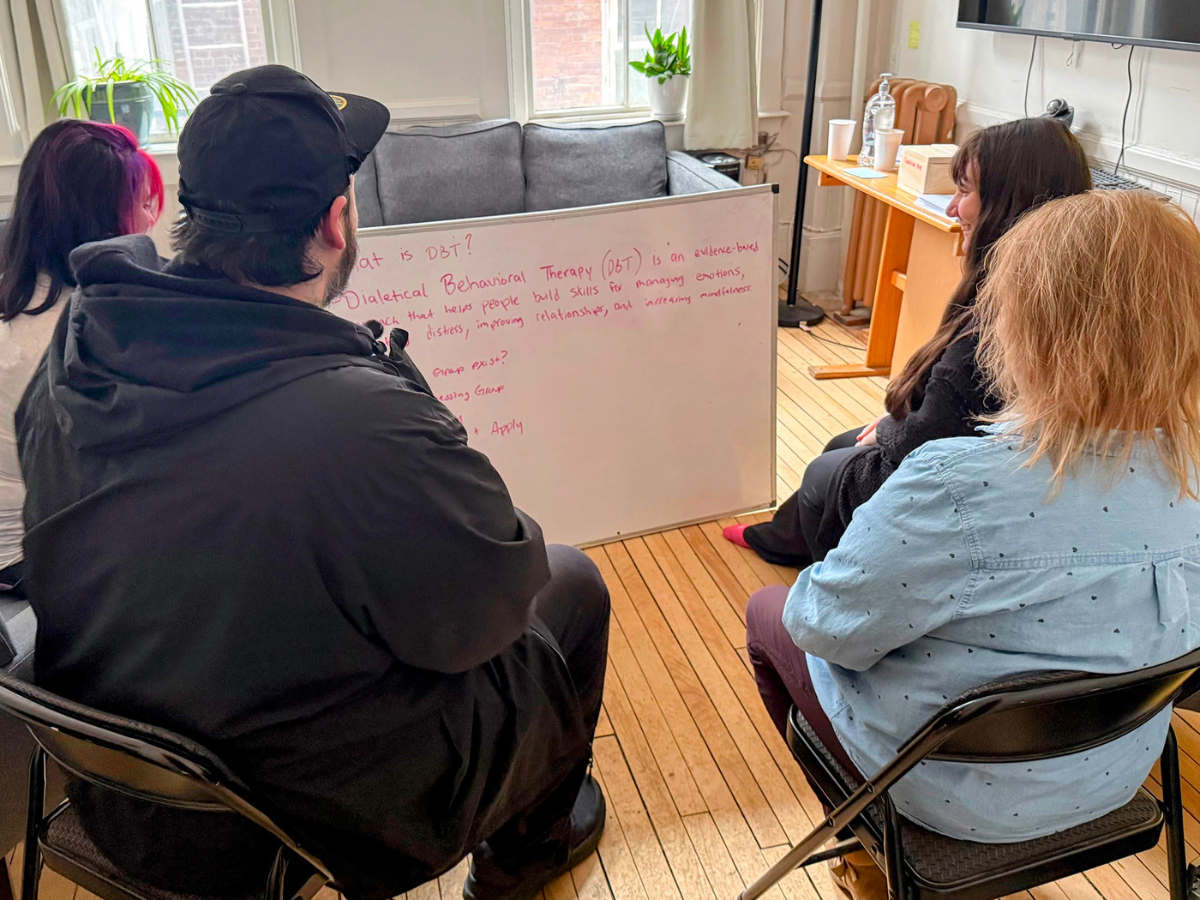
Across Vermont, the substance use disorder (SUD) treatment landscape is changing. As some private providers adjust their services, community-based organizations are stepping forward to ensure that people seeking recovery support continue to have access to care when and where they need it.
One recent shift involves Better Life Partners, a national online provider of addiction treatment, which wound down its operations in Vermont at the end of 2025 and stopped accepting new referrals. While transitions like this can create uncertainty for clients and families, Vermont’s community-based treatment network had been preparing to ensure continuity of care.
Maintaining access to medication-assisted treatment – including medications such as buprenorphine for opioid use disorder – is critical to supporting recovery and preventing relapse and overdose. Vermont’s statewide referral and support service, VT Helplink, continues to provide 24/7 assistance connecting Vermonters to treatment providers across the state.
At the same time, community providers are working locally and regionally to expand access and coordinate services.
Washington County Mental Health Services (WCMHS), through its Center for Substance Use Services, has recently expanded its outreach capacity by hiring a substance use clinician to join its mobile outreach team. This addition allows WCMHS to connect more individuals with treatment and recovery supports directly in the community.
This kind of response reflects the strength of Vermont’s community-based system of care. Vermont Care Partners‘ community mental health agencies, outpatient clinics, peer-support networks, hospitals, and primary care providers are collaborating closely to ensure individuals can access treatment quickly and move seamlessly between services as their needs evolve.
In Washington County, that collaboration is particularly strong. Anticipating changes in the treatment landscape, local partners came together to ensure people seeking treatment would not face barriers to care.
The Central Vermont Prevention Coalition and the Rapid Access to Medication Assisted Treatment (RAM) Coalition bring together providers, advocates, and peer supports to coordinate services and help individuals access treatment as quickly as possible. These groups meet regularly to review community needs, discuss emerging trends in substance use, and ensure that recovery services remain accessible and responsive.
Partners in this effort include Central Vermont Medical Center, BAART (the Washington County HUB), local primary care physicians, the Turning Point Center, and Washington County Mental Health Services’ Center for Substance Use Services.
Because of this coordination, individuals seeking treatment in Washington County can access medication for opioid use disorder and other substance use treatment services almost immediately. The BAART Hub, the emergency department at Central Vermont Medical Center, and WCMHS work together to ensure rapid access to care.
The Center for Substance Use Services at WCMHS provides a wide range of treatment and recovery supports, including medication for opioid use disorder (MOUD/MAT), individual and group therapy offered both in person and virtually, intensive outpatient programming, and specialized services such as Rapid Opiate/Alcohol Use Disorder Treatment (ROAD) for alcohol use disorder. The program also offers contingency management, treatment court services, outreach, case management, trauma-informed care, and integrated treatment for individuals with both mental health and substance use conditions.
Outpatient alcohol detox services are available in partnership with Central Vermont Medical Center, and individuals needing Impaired Driver Rehabilitation Program services can also receive those supports through the program.
Most importantly, these services are currently available with no waitlist. If a client’s needs cannot be fully met within WCMHS, staff work closely with community partners to ensure individuals are connected to the most appropriate services without delay.
Recovery is rarely a straight path, and access to timely treatment can make all the difference. Vermont’s community-based providers are committed to ensuring that no one seeking help is left without options.
As the treatment landscape evolves, collaboration among local providers, hospitals, peer organizations, and community partners will remain essential. By working together, Vermont communities can continue to strengthen access to care and support individuals and families on their path to recovery.
To learn more about the Center for Substance Use Services at Washington County Mental Health Services, visit: https://www.wcmhs.org/center-for-substance-use-services-csus.
Written by Alycia Post, Director of the Center for Substance Use Services at Washington County Mental Health Services.
Washington County Mental Health Services, a non-profit, comprehensive Community Mental Health Agency, is very proud to be the primary provider of specialized services in the Washington County region since 1967. For 50 years we have worked to serve our community through education, support, and treatment of individuals who live with mental health challenges, substance use issues, or intellectual and developmental disabilities. The mission of WCMHS is to advocate for the inclusion of all persons into our community and actively encourage Self-Determination, Resilience and Recovery.
This article is part of a series, collaboratively produced by members of Vermont Care Partners, a statewide network of sixteen non-profit, community-based agencies providing mental health, substance use, and intellectual and developmental disability supports.