
It’s being described as a landmark verdict, certainly the first of its kind Meta and its sprawling tech empire have ever faced.
A jury in a civil case brought by the US state of New Mexico has agreed that Mark Zuckerberg’s company knowingly harmed children’s mental health, enabled child exploitation on its platforms, and misled the public about its platforms’ safety, fining it $375 million dollars.
The jury found 75,000 violations and awarded $5,000 per violation. The fine was less than a fifth of what prosecutors had demanded, but a blow nevertheless to the tech giant, which is facing several legal cases over child safety.
You’re reading InDepth: A weekly long read from Channel 4 News offering quality analysis and insight, diving deeper beyond the headlines

New Mexico’s State Attorney Raúl Torrez described the verdict as “a historic victory for every child and family who has paid the price for Meta’s choice to put profits over kids’ safety.”
The language couldn’t have been starker, the testimony coming from a range of witnesses including a former engineer who said his warnings to the company went ignored – and whose own young daughter was propositioned for sex by a stranger on Instagram. The app was described as a breeding ground for sexual exploitation.
As part of their investigation undercover agents created fake profiles, posing as children to reveal the extent of sexual solicitation from adults as well as Meta’s response.
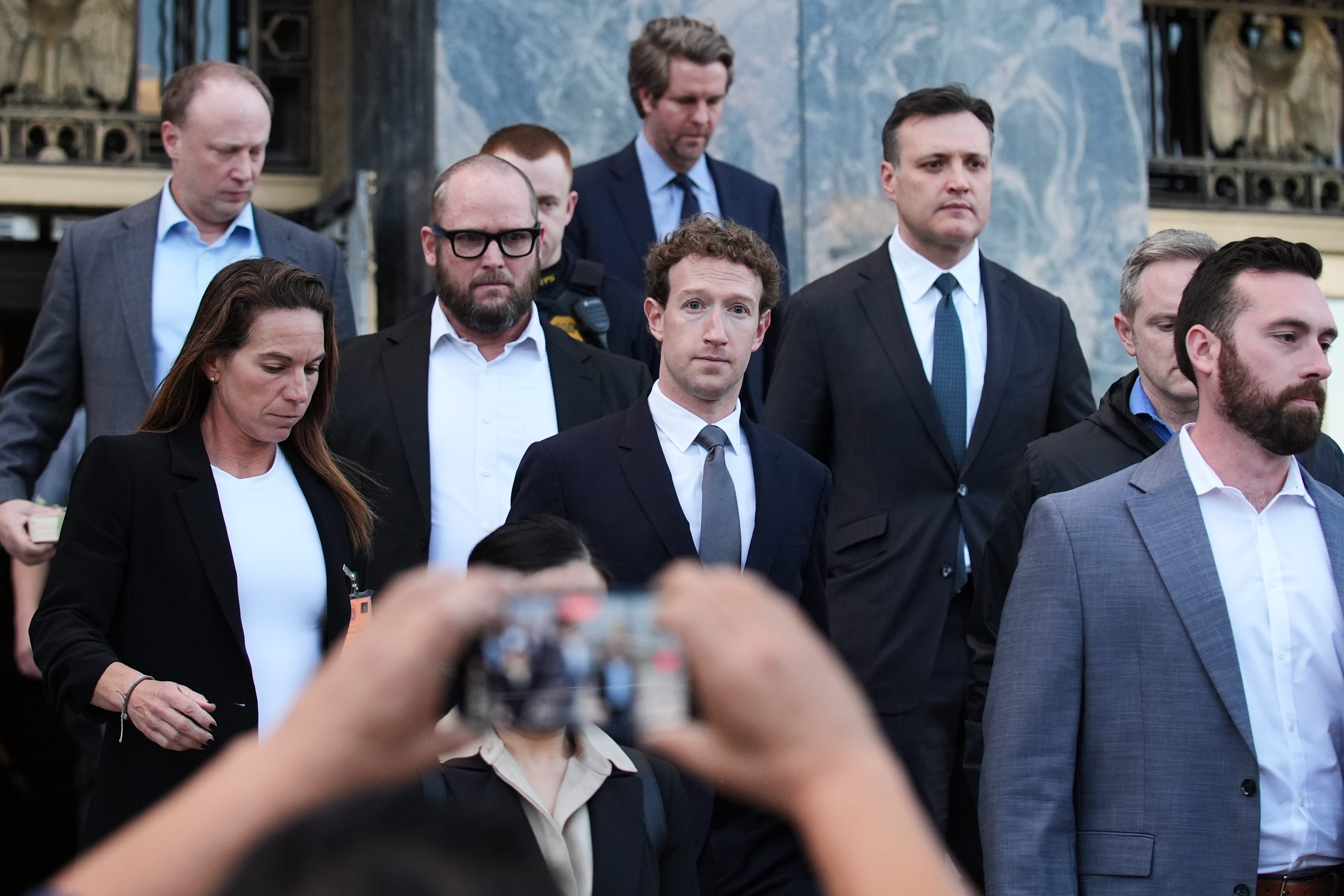 Mark Zuckerberg leaving after testifying in the trial last month / AP
The jury also heard from school leaders who spoke of so-called “sextortion” schemes in which children are coerced into sending explicit images online.
It’s a milestone for online safety campaigners like Daisy Greenwell, who has been leading a campaign to ban smartphones for under 14s in the UK.
“Political wins are such that everyone is thinking and talking about this issue right now. America and the UK and countries around the world are falling like dominoes really, everyone is ready to do more.” she said.
“I think this is our moment to get real proper change for kids everywhere. A whole generation of kids have been guinea pigs, essentially, in this social media experiment and I think it is time we took a different path and chose a better digital future for kids.”
Meta will be appealing the verdict – saying it remained confident in its record of protecting teens online.
“We work hard to keep people safe on our platforms and are clear about the challenges of identifying and removing bad actors or harmful content,” a spokesperson said.
The prosecution had argued public assurances from Zuckerberg and Meta executives often didn’t match internal studies.
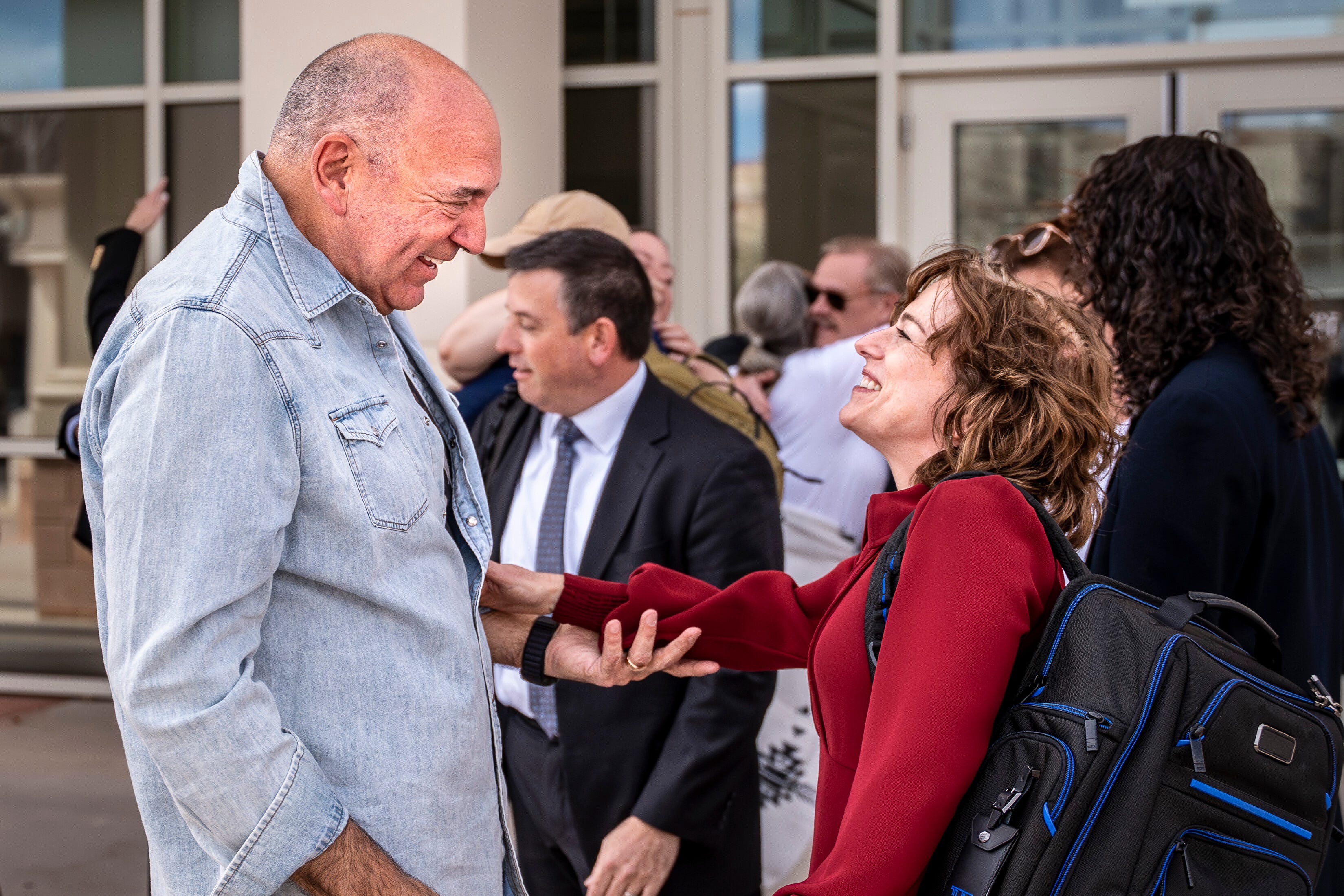
Prosecution attorney Linda Singer, pictured above after the jury reached their verdict, told the jury Meta’s own research revealed one in three teens experienced problematic use, including addiction.
It’s for a judge and not the jury to decide in the second phase of the trial, which begins in May, what changes the company must make to its platforms to make them safer for young users.
This is the first of a slew of legal actions brought by individuals, school districts and more than 40 US states against the tech giant.
In one – a jury in California found Meta and YouTube liable on Wednesday for designing platforms that are dangerous for teens, after a woman sued both over her childhood addiction to social media.
The woman known as ‘Kaley’, who was awarded $3million, says she became addicted to social media as a child and that this addiction exacerbated her mental health struggles.
In the UK meanwhile, the government has launched a consultation on whether to follow Australia and Indonesia in banning social media for the under-16s, something its detractors have described as “kicking the can down the road”.
Today, it has launched a pilot scheme that will see hundreds of teenagers trialling social media bans, digital curfews and time limits to assess the impact of different restrictions on their wellbeing.
Greenwell said she supports a consultation, saying “it’s great they are looking at this and trying to get more data, treating it as a public health issue not just a parenting issue. We’ve been really behind on that.”
However on the pilot scheme she said she believes raising the age for social media for everyone all at once is the best option to take, as “that will mean no-one is left out there alone, being the only one without it. We know that 16 is a much more developed mentally appropriate age for kids to be on these platforms.”