
9
As Arkansas’ gaming landscape evolves at an unprecedented pace, a parallel public health conversation is gaining urgency that intersects policy, technology and mental health. The Arkansas Problem Gambling Council is positioning itself at the center of that conversation, advancing a proactive agenda prioritizing prevention, access to care and responsible engagement in an increasingly digital world.
At the forefront of this effort is the council’s support for landmark state legislation HB1847, the Digital Self-Exclusion Act, which later became Act 798 of 2025. The Digital Self-Exclusion Act is a policy initiative designed to modernize consumer protections and expand access to voluntary self-exclusion tools. The legislation reflects a broader shift toward integrating digital wellness into public health frameworks, recognizing that today’s gaming environments are no longer confined to physical spaces but are embedded within mobile platforms and online ecosystems.
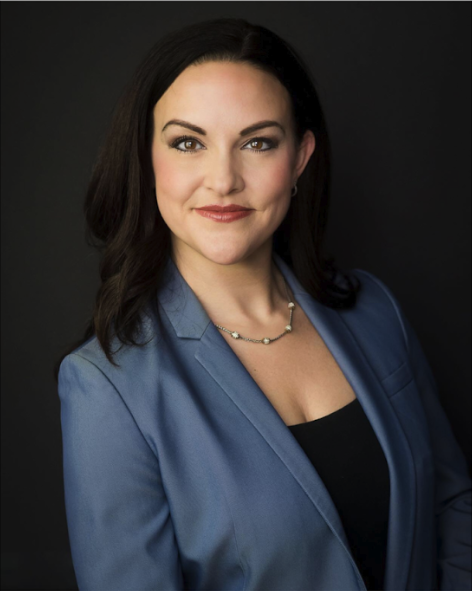
Erica Dierich Phillips, board member
With the continued expansion of gaming operators across the state, Arkansas faces both economic opportunity and regulatory complexity. Effective implementation of safeguards like the Digital Self-Exclusion Act will require coordinated infrastructure and cross-agency collaboration. Key stakeholders — including the Arkansas Department of Finance and Administration, the Arkansas Racing Commission, the Attorney General’s Office, the Arkansas Scholarship Lottery and private gaming operators — must align to ensure seamless access to care and resources for consumers.
The ARPG Council has not waited for legislation alone to drive change. Over the past year, the organization has made measurable strides in community-based prevention and education. Central to this effort is Frankie the Fox, a newly introduced mascot that delivers approachable, culturally relevant messaging around responsible gaming, financial literacy and mental health awareness.
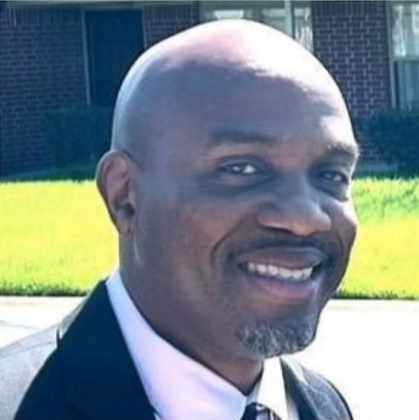
Ron Blackmon, board member
The initiative is further brought to life through the “Reset and Reframe the Game” activity book series, a pilot program developed in collaboration with students from Hot Springs Junior Academy and High School, along with Prevention Specialist Anthony Tidwell, illustrators Katie Johnson, and EAST Initiative instructor Aspen Ham.
Institutionally, the ARPG Council continues to expand its capacity through partnerships and workforce development. The organization welcomed paid interns from the University of Arkansas Clinton School of Public Service, contributing to a five-year strategic plan and financial literacy modules with local banking partners.
Strengthening governance and leadership capacity has also been a priority. The ARPG Council has expanded its board of directors, welcoming new members who bring additional years of nonprofit leadership, deep-rooted community relationships, clinical expertise and military operational experience. This multidisciplinary governance model enhances the council’s ability to navigate complex systems and better serve both civilian and veteran populations.
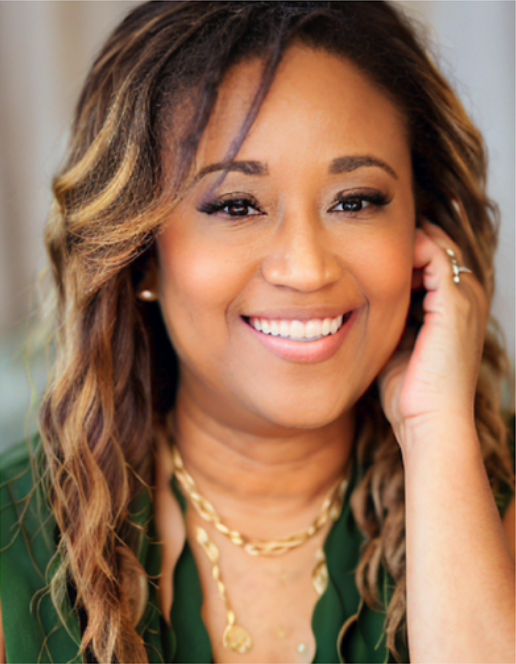
Vena Schexnayder, executive director
Founded in 2021 by Executive Director Vena Schexnayder, the ARPG Council serves as the Arkansas state affiliate for the National Council on Problem Gambling. The organization delivers education, outreach, advocacy, research, prevention and treatment support services.
Each March, the NCPG leads Problem Gambling Awareness Month (#PGAM2026), a national initiative aimed at increasing public understanding of gambling-related harm and promoting pathways to recovery. Problem gambling affects approximately 2.5 million U.S. adults and remains one of the most under-recognized behavioral health conditions.
“No one really sees the speed at which the gambling and technology industry is evolving,” Schexnayder said. “As a mental health professional, I would hope that agencies at all levels work together to meet the needs of Arkansans and provide resources that support overall health and safety.”

Katherine Reynolds, board member
If you or someone you know may be experiencing problem gambling, help is available.
Call 1-800-GAMBLER, text 800GAM, or visit arpgcouncil.org.
Arkansas Problem Gambling Council
301 President Clinton Avenue B., Little Rock, AR
501-403-2321
outreach@arpgcouncil.org
READ ALSO: Travis Ford to Take Over UA Little Rock Hoops Program