
A Warren woman who works as a navigator in the health-care system will join three incumbent members of the Macomb County Community Mental Health board.
The county Board of Commissioners appointed newcomer Stephanie “Steph” Thornton and reappointed three members to the 12-member CMH board in four rounds of voting last week in the county Administration Building in Mount Clemens for for four three-year terms starting Wednsday.
Thornton works for Prior Health, an insurance company associated with Corewell Health, as a community health worker, “supporting individuals and families by addressing social determinants of health such as housing, food access, transportation, and access to medical and behavioral health services,” she wrote in her application.
“I help individuals navigate and find services,” Thornton told the board. ”I walk along side of them … to fix a problem, help them find out what works for their family.”
She is a member of two mental-health trade associations and expected to earn a master’s degree in social work this summer at Capella University “with a focus on community practice and health equity,” she wrote.
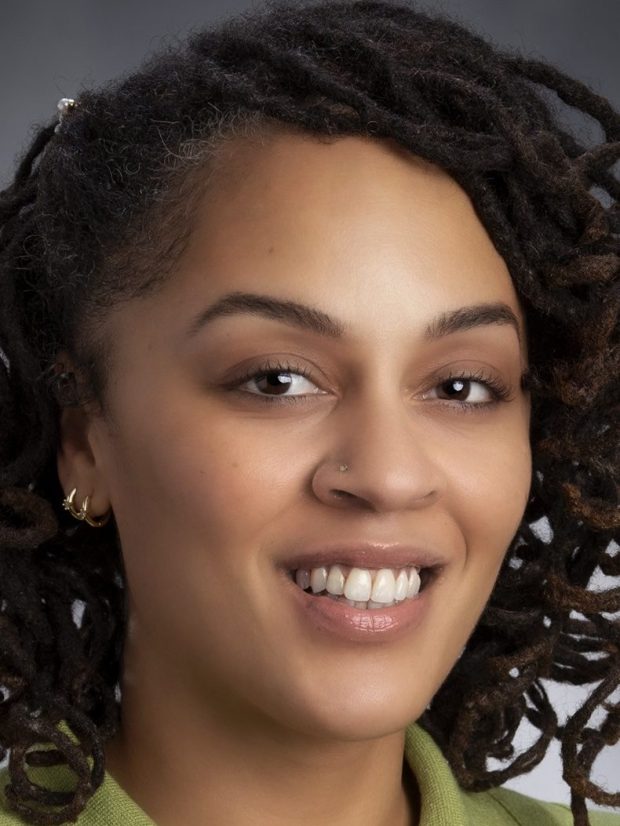 Stephanie Thornton
SUBMITTED PHOTO
Thornton also is a reserch assistant at the Univeristy of Michigan, helping develop and facilitate Families in Balance parent program, among other things, and a founder of SAGA Farms LLC, which prrovides “perinatal education and wellness support” among other things.
“My professional passion and purpose is mental health,” she said at the meeting. “This is something I do professionally and advocate for outside of that. It’s something I live and breathe. I feel I would bring that front-line experience, that lived expertise and a perspective of understanding how we can bring that trust to the community.”
Reappointed were 12-year member Nick Ciaramitaro, a lawyer, former state representative and one time assistant Macomb prosecutor; Selena Marie Schmidt; and Antoinette Wallace, a county commissioner who was unanimously approved.
In all, 17 people applied for the posts with terms ending March 31, 2029. Board members receive $75 per diem, plus mileage, and attend meetings twice a month.
Wallace and Ciamitaro were chosen in the first round of voting due to collecting a majority of votes. Three more rounds were held due to 10 candidates total receiving at least one vote in the first round but eight not reaching a majority of the board.
In the last round, Thornton outlasted incumbent member Wayne Conner of Ray Township, who served one term during which he attended all 62 board meetings. He was unable to attend the interview at the committee meeting.
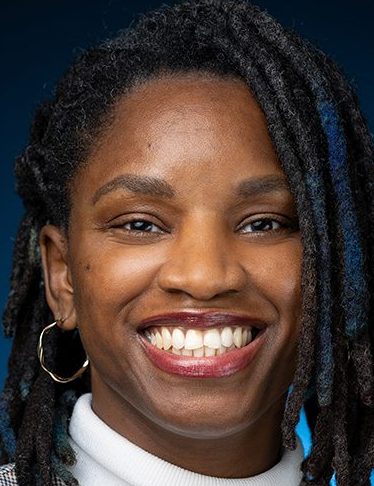 Antoinette Wallace
PHOTO BY MATTHEW MITCHELL PHOTOGRAPHY
Schmidt, a Shelby Township resident, has served as board vice chair for three terms. She is a professor at Arizona-based Cummings Graduate Institute of Behavioral Health Studies. Until last August, she was corporate vice president over behavioral health, substance use disorder and community health at Ascension and Henry Ford Health.
She said she has perspectives from both the clinical and recipient side of the process for strategic planning and service delivery.
“I provide an inside glimpse of the providers’ side of the business and can help to guide decision making and direction needed in providers,” she said in her application. “I am also the mother of a handicap son who is a thriving adult because of the services he has received over his 28 years of life.”
Mount Clemens resident Wallace – who said she is a mother, wife, track coach, real estate agent and mental health advocate – referred to when she was initially named to the CMH board five years ago, following her being the first of two Black women — the other was Michelle Nard — to be elected to the county commission.
“The reason I wanted to be a part of this board originally was because representation matters,” Wallace said at the meeting. “Being a Black woman, I felt like where I didn’t see myself, which means a lot of people aren’t’ seeing themselves – a lot of women, a lot of Black people, minorities aren’t seeing themselves — I really wanted to be on the board to be that representation and be that voice.”
“A lot of our community members don’t know what’s out there for them for free, to get the advocacy they need,” Wallace said, adding she directs two health fairs a year to educate people on resources.
“I’m an advocate, so if you need someone to speak up, someone at a press conference, someone to get a little loud, that is what I love to do and that’s what I’m here for,” she added.
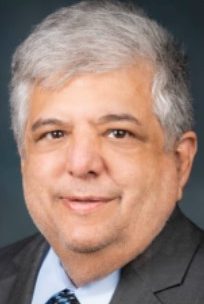 Nick Ciaramitaro
MACOMB COUNTY COMMUNITY MENTAL HEALTH PHOTO
Ciaramitaro remarked the CMH board has experienced ups and downs over the past dozens years, much of them related to issues involving finances and the state and federal governments.
“We’ve faced a lot of serious challenges the last 12 years but we’ve had some really great success in recent times,” he told the board, citing “new and innovative programs,” many of which were possible due to grants.
He noted the establishment of Community Behavioral Health Clinics, “which take on all comers,” crisis management response teams and jail diversion programs.
He added the challenges include federal Medicaid cuts, general fund cuts, the state Department of Health and Human Services trying to outsource CMH’s services and issues related to the attraction, retention and compensation of direct-care workers.
Meanwhile, demand for services has increased since the COVID-19 pandemic, he added.