
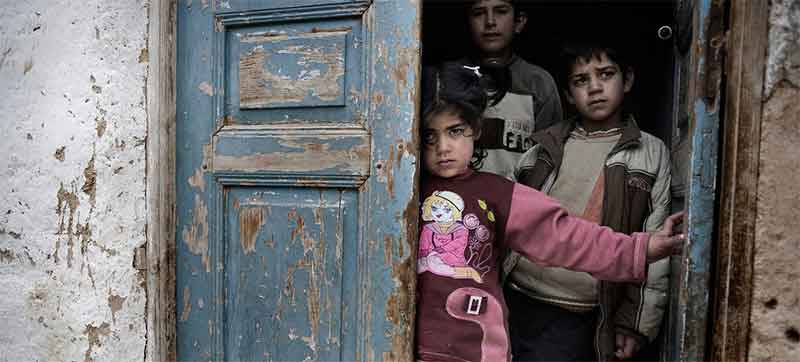
Ongoing wars across the world have turned entire regions into landscapes of injury, death and devastation. In earlier times, the primary victims of war were combatants. Today, that reality has dramatically changed. Modern warfare, especially in densely populated urban areas, disproportionately affects civilians. In many conflicts, civilian deaths account for 50–90% of total casualties, and in some situations, the ratio of civilian to combatant deaths has reached as high as 9:1. This shift reflects the brutal nature of contemporary warfare, where ordinary people—women, children, and the elderly—bear the heaviest burden.
The large-scale loss of civilian lives in Ukraine once again highlighted the far-reaching consequences of modern war. Barry S. Levy, Adjunct Professor of Public Health at Tufts University School of Medicine, in a presentation at an event organized by the International Physicians for the Prevention of Nuclear War (IPPNW) on 19 February 2022, warned about the severe health consequences of conventional wars. According to him, war leads to widespread malnutrition, especially among women and children, and a sharp rise in communicable diseases such as diarrhoea, cholera, respiratory infections, and tuberculosis.
At the same time, mental health conditions—including depression, post-traumatic stress disorder (PTSD), and suicide—increase significantly. Reproductive health deteriorates, and non-communicable diseases such as heart disease, cancer, and kidney disorders worsen due to disrupted healthcare systems. In countries like Ukraine, where a significant proportion of the population is elderly, indirect deaths caused by these factors may far exceed those caused directly by violence.
Recent conflicts in West Asia further expose the human cost of war. The Israeli offensive in Gaza has reportedly resulted in more than 70000 deaths, including over 20000 children. There is no justification for such loss of innocent lives. Images and videos of injured, traumatized children—many of whom have lost their families—are deeply disturbing. They are not just evidence of physical destruction but a stark reflection of an unfolding mental health crisis.
War does not end with explosions. Its indirect consequences—disruption of food supply, shortages of essential commodities, breakdown of communication and transport systems—continue long after the fighting subsides. These effects ripple across borders. The ongoing conflict in West Asia has triggered a global energy crisis, affecting countries thousands of kilometers away. Even in India, rising fuel shortages and long queues for LPG have created stress and anxiety among ordinary people, showing how war impacts mental well-being far beyond the battlefield.
Displacement is another major consequence. According to estimates, millions have been internally displaced in Iran and over a million in Lebanon. These populations are deprived of basic necessities—shelter, nutrition, education, and healthcare. Life in refugee camps exposes them to severe health risks, including hunger-related illnesses, diarrhoeal diseases, respiratory infections, and viral outbreaks. Chronic conditions such as diabetes and heart disease often go untreated, leading to preventable deaths.
However, beyond physical illness, the psychological toll of war is even more devastating. Constant exposure to violence creates deep and lasting trauma. Children who witness death and destruction, or lose their families, often develop long-term emotional disturbances. Feelings of fear, helplessness, and insecurity become pervasive. Many suffer from PTSD, anxiety, and depression. There is a persistent fear—whether they or their loved ones will survive the next attack. Mental and behavioural disorders—including substance abuse and suicidal tendencies—rise sharply in such conditions.
Exposure to violence also has long-term effects across all age groups. Women facing violence are more likely to experience both physical injuries and mental health disorders such as depression and suicidal thoughts. Older adults, often neglected in crisis situations, face heightened risks of abuse, stress, and anxiety.
Despite these grim realities, the human spirit continues to endure. The instinct to survive remains one of humanity’s strongest traits. Viktor Frankl, a Holocaust survivor, demonstrated how hope can sustain life even in the darkest circumstances. His work showed that meaning and resilience can help individuals survive extreme adversity.
Today, healthcare workers in war zones, particularly in places like Gaza, embody this resilience. Working under unimaginable conditions, they continue to save lives and provide hope to those around them. Their efforts remind us that even in the midst of destruction, humanity persists.
War is not merely a geopolitical event—it is a profound public health crisis, especially for mental health. The scars it leaves are not only on the land but deeply etched in the minds of people. Addressing these invisible wounds is as important as rebuilding physical infrastructure.
The ongoing war in West Asia carries a grave risk of escalating into a nuclear conflict. For both the United States and Israel, the prospect of defeat is difficult to accept, increasing the danger of further escalation. Any such escalation could lead to a global catastrophe if nuclear weapons are used by either side.
It is therefore imperative that urgent and concrete steps be taken toward the abolition of nuclear weapons. At present, the United Nations remains the only global body capable of facilitating de-escalation. It must take the initiative to bring the warring parties to the negotiating table and promote a peaceful resolution of the conflict.
Countries that are not directly involved in the war, yet continue to suffer its indirect consequences, should take the lead in strengthening and supporting UN-led efforts to bring an end to the ongoing conflict.
Ultimately, the lesson is clear:
No society can afford the psychological and human cost of war. Peace is not just a political necessity—it is a public health imperative.
Subscribe to Our Newsletter
Get the latest CounterCurrents updates delivered straight to your inbox.
Dr Arun Mitra is a Practicing ENT Surgeon in Ludhiana, Punjab. He is also the President of Indian Doctors for Peace and Development (IDPD) www.idpd.org