
Samantha Koros
|
April 3, 2026
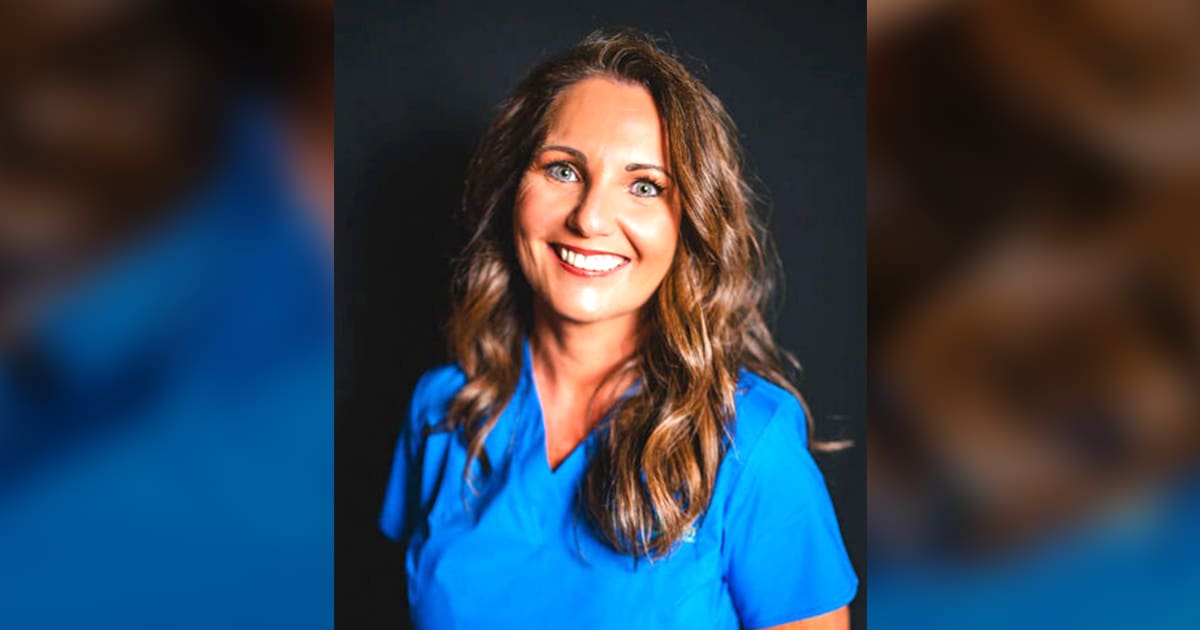
Shelley Wolfe
Shelly Wolfe, LPC, a native of Warren, Arkansas, did not initially set out to work in education or mental health care. She earned a bachelor’s degree in speech communications — a field far removed from the classroom — but life gradually pulled her in a different direction.
After the birth of her daughter, she took her first teaching position in kindergarten, a step that would ultimately reshape her path. She later returned to school to earn a master’s degree in teaching and went on to teach sixth-grade literacy. It was there, in the quiet moments when students sought her out during lunch and recess to share their struggles, that it became clear her true calling extended beyond the classroom.
“When I was teaching, I became more interested in the students’ social well-being than academics,” she said. “It became my passion to help them. Those moments made me realize how much they needed dedicated one-on-one support,” she added. “Time I often couldn’t fully give in a classroom setting.”
That realization became the turning point. Wolfe earned a master’s in counselor education from UA Little Rock, pursued additional coursework to qualify for licensure, and has been licensed by the Arkansas Board of Examiners in Counseling as a Licensed Professional Counselor (LPC) since 2015. After three years as a K-12 school counselor, she joined Mainline Health Systems in 2023 as a behavioral health consultant for the Warren School-Based Clinic. That position brought her full circle back to the community where her story began, back home in Warren.
The instinct to connect didn’t fade when she left teaching; it deepened. Her years in the classroom gave her something most counselors don’t have: an insider’s understanding of what teachers face every day, allowing her to hold space for those demands while helping students process their experiences, reframe difficult situations and consider new perspectives.
Wolfe credits her time at UA Little Rock with sharpening the skills that now define her work: flexibility, real-time responsiveness and the ability to collaborate within a school system. Among those who left a lasting mark was Dr. Dawn Harris, who has since passed away.
“Her impact on my development as a counselor was profound, particularly in her group therapy course,” Wolfe said. “I vividly remember her sharing her experiences serving as a counselor with the Red Cross during 9/11, which brought a powerful real-world perspective to her teaching.”
To this day, Wolfe still uses a grief counseling handout Harris provided and continues to share it with others in her work.
What makes the school-based clinic model so powerful, particularly in rural communities like Warren, is precisely what it eliminates: the barriers that have long kept mental health care out of reach for students who need it most. Transportation, cost and a shortage of local providers have historically made consistent care nearly impossible for families in underserved areas. By embedding services directly inside the school, that equation changes entirely. Support becomes part of the daily environment rather than something families have to seek out, schedule around or afford. For Wolfe, that physical presence also means something deeper, the ability to check in frequently, respond in real time and build the kind of trusting relationships that make meaningful progress possible. Without that access, many of the students she serves would go without mental health care altogether.
For Wolfe, the work is deeply personal and a way to give back to the community that shaped her. She measures success not only in clinical outcomes, but in quieter moments like a student gaining confidence, taking a small step forward or simply feeling safe enough to speak. Despite the emotional weight the work can carry, she remains hopeful about the future of mental health care in Arkansas, encouraged by a generation of young people more willing than ever to ask for help and support one another.
“Being part of that shift where mental health care is becoming more visible, accepted and accessible gives me a lot of hope for the future,” she said.
To students at UA Little Rock considering a similar path, her advice is direct, the same advice she gave her own daughter, who is currently enrolled in the Clinical Mental Health program at UA Little Rock.
“This is an incredibly rewarding path, but self-care is essential,” she said. “The work can be emotionally demanding, and prioritizing your own well-being is not a luxury — it is what sustains you and helps prevent burnout over the long term. Embrace every opportunity to connect with others, learn from mentors and gain hands-on experience. Seeing the difference you can make in students’ lives and in your community is a powerful reminder of why this work matters.”