
Inside the Fulginiti Pavilion for Bioethics and Humanities at the University of Colorado Anschutz, a new art exhibit is offering visitors a deeply personal look at one young man’s life, perspective and legacy.
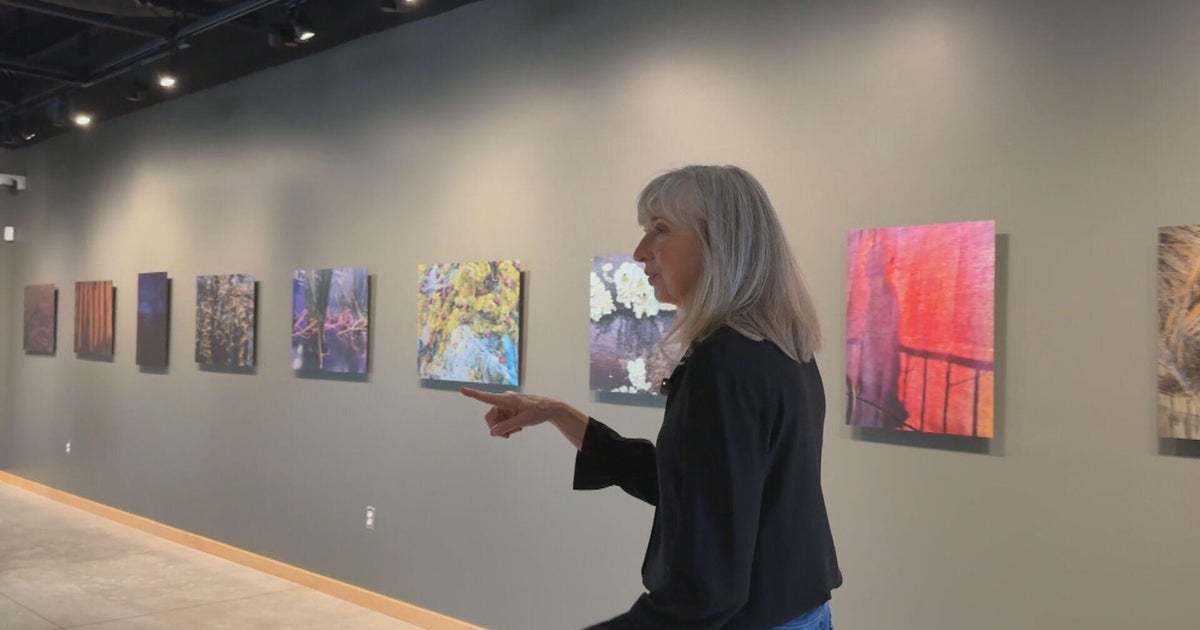
The gallery features photographs taken by Ryyan Chakra, images that his parents, Tarek and Elizabeth Chakra, say now preserve the way he saw the world.
CBS
“I would say my favorite is either one of these,” Elizabeth said while viewing the exhibit, pointing to a photograph taken in Breckenridge.
The Chakras were among the first to walk through the gallery, sharing an emotional connection to every image on display. The exhibit honors Ryyan’s life after he died by suicide, allowing his passion for photography to continue speaking for him.
“That was one of the last photos he took that was outside of Tokyo,” Tarek shared while reflecting on one of the pieces.
Ryyan’s parents describe him as humble, caring, and deeply supportive.
In 2024, Ryyan was diagnosed with depression and obsessive-compulsive disorder, or OCD.

CBS
“We took a trip to Japan, where some of these photographs were taken, and we thought he was doing better,” his family said. “We were home two and a half days, and then he was gone. We woke up, and he had taken his life.”
After Ryyan’s death, the Chakra family connected with Rachel Davis, a professor of psychiatry at CU Anschutz, who helped offer support while also deepening their understanding of OCD.
Davis explains that OCD goes beyond everyday anxiety.
“OCD is when someone has obsessions or fears that are generally more than anxiety fears,” she said.
She says the condition is not just an illness, but something that can shape how a person experiences every part of life.
“OCD is not only an illness, but a way to see the world, and it pervades someone’s entire life,” Davis said.

CBS
Now, that same way of seeing the world lives on through Ryyan’s photography.
For the Chakra family, the exhibit is about transforming grief into purpose.
“The weight of the loss we are experiencing, and what we want to do with that loss is, again, channel it in positive ways,” the family said. “Supporting research, better understanding these conditions, working on the stigma components of all of this, and empowering young people who are struggling, particularly men, to open up. For us, that is massive.”