
Politics has a mental health problem, or at least the politicians do.
A nationwide survey of almost 300 politicians across all three levels of government has found 70 per cent of politicians feel the job is impacting their mental health.
Forty per cent of them felt prevented from speaking out due to their lack of mental wellbeing.
One in five thought about harming themselves due to the pressure of the job.
And almost three-quarters said that compared with other workplaces, parliament is the worst they have experienced.
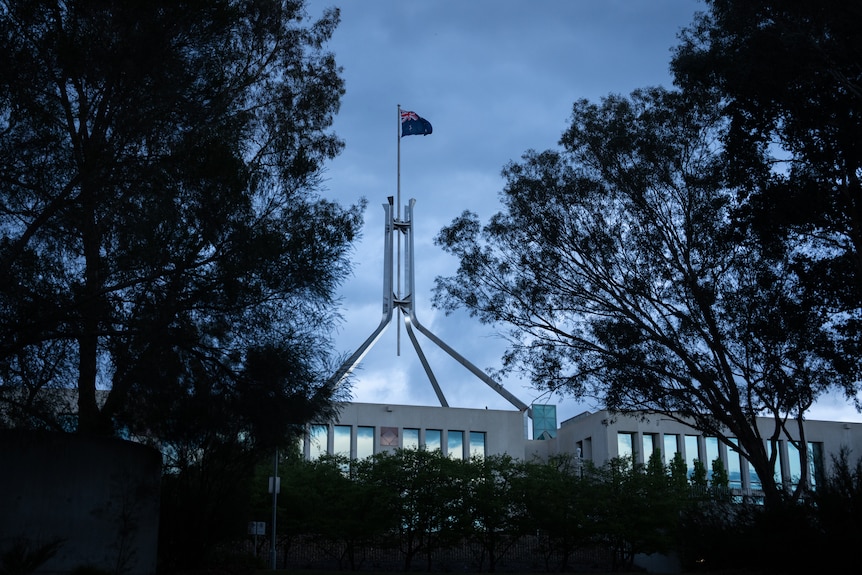
The study included elected members from the federal and state parliaments as well as councils. (ABC News: Matt Roberts)
Conducted by the Better Politics Foundation, Compassion in Politics Australia and psychiatrist Patrick McGorry — a former Australian of the Year — the study aims to understand what is going on and how to address it.
In the wake of the results, the ABC has spoken to three Tasmanian MPs about social media, mental health and the culture in parliament
Loading…’I understood my life would completely change’: Rockliff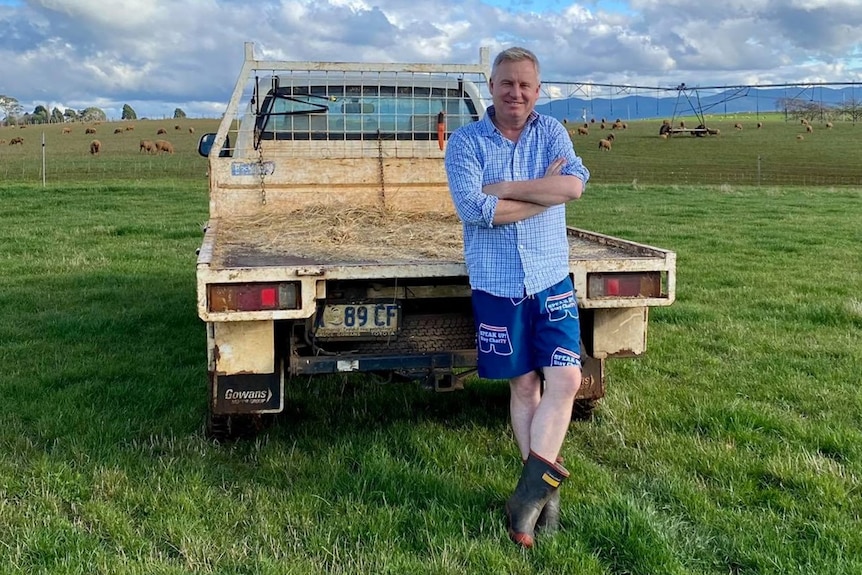
A former Lifeline counsellor, Jeremy Rockliff has been a strong advocate for mental health. (Facebook: Jeremy Rockliff)
Tasmanian Premier Jeremy Rockliff sometimes wonders whether he will feel the effects of political life more when he has left it behind.
Lifeline on 13 11 14Kids Helpline on 1800 551 800MensLine Australia on 1300 789 978Suicide Call Back Service on 1300 659 467Beyond Blue on 1300 22 46 36Headspace on 1800 650 890QLife on 1800 184 527
“I just don’t know if I could have put up with it had I not had years and years [of] experience,” Mr Rockliff said.
It was more than two decades ago that the former Lifeline counsellor first put his hand up to run for the Liberal Party in the north-west seat of Braddon.
“I remember nearly being in tears speaking to this person about putting my name forward to be pre-selected for my party because I understood that my life would completely change,” he said.
“And I wondered if a sensitive soul like me could handle it at all.”
Mr Rockliff has always been a strong advocate for mental health and has faced his own battles.
“If I think about some of my lows in my early 20s, I wouldn’t have then recognised it as being depressed, and I certainly didn’t seek any support for that at the time,” he said.
That experience is part of what drove him to become a Lifeline counsellor, which he said “shone a light on discrimination amongst minorities”.
“But also the stigma around mental health and the loneliness, isolation, people feel.”
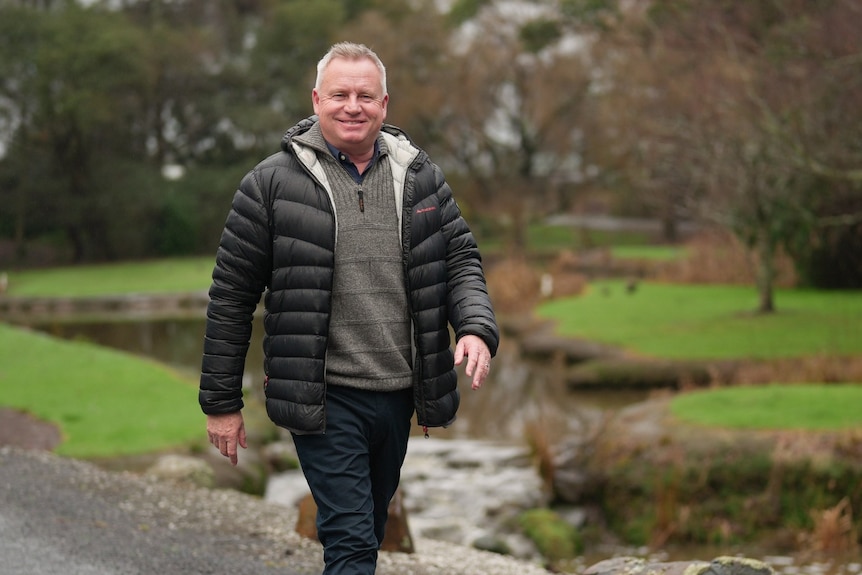
Jeremy Rockliff says he wondered if a “sensitive soul like me” could handle political life. (Facebook: Jeremy Rockliff)
Mr Rockliff has held many roles in the parliament, from opposition backbencher to deputy premier and now premier.
While the job has never been kind, he said the COVID pandemic was a turning point.
“Scrutiny has intensified and that social media aspect has also intensified, and had I not been involved for so long, I probably would have found my wellbeing impacted quite considerably,” he said.
Social media is flooded with comments focused not on the Premier’s decisions, but on him as a person. Some are downright violent.
“I ignore it and don’t look at it. That’s how I manage it,” he said.
Fixing Tasmania’s parliament culture ‘not the job of politicians’
But while he is not worried for himself, Mr Rockliff is concerned that the vitriol online will deter others from politics.
He acknowledges the culture within parliament is also an issue.
“It’s just too easy now to attack people personally, and that diminishes debate. It’s not good for democracy, and that would dissuade people.
“It’s important that all members of parliament reflect on that.”
Those attacks are not confined to the chamber.
The parties, particularly the two major parties, issue media releases labelling individual MPs things like “weak”, “liar” and “wrecker”.
Mr Rockliff said people on social media “feed off” those sorts of comments.
“All the crap that people write in media releases … it’s just ridiculous,” he said.
“MPs sometimes deserve that criticism, of course, but no one deserves a full-throated, deeply personal attack.”
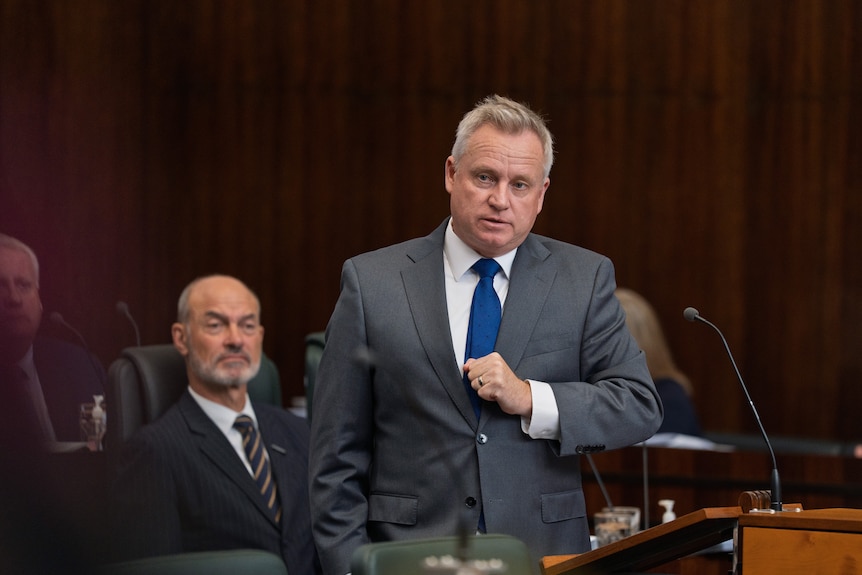
Jeremy Rockliff says it is not in his nature to be aggressive in parliament. (ABC News: Simon Farrell)
Mr Rockliff said his time in politics has taught him you don’t have to “bash people over the head with a sledgehammer”.
“I was often criticised for not being tough enough in politics, and particularly [when] I was deputy leader, I wasn’t aggressive enough,” he said.
“That’s just not my nature.
“The notion that you can only be successful in politics if you’re willing to be a head kicker is frankly complete bullshit.”‘People assume we’re not real’: Haddad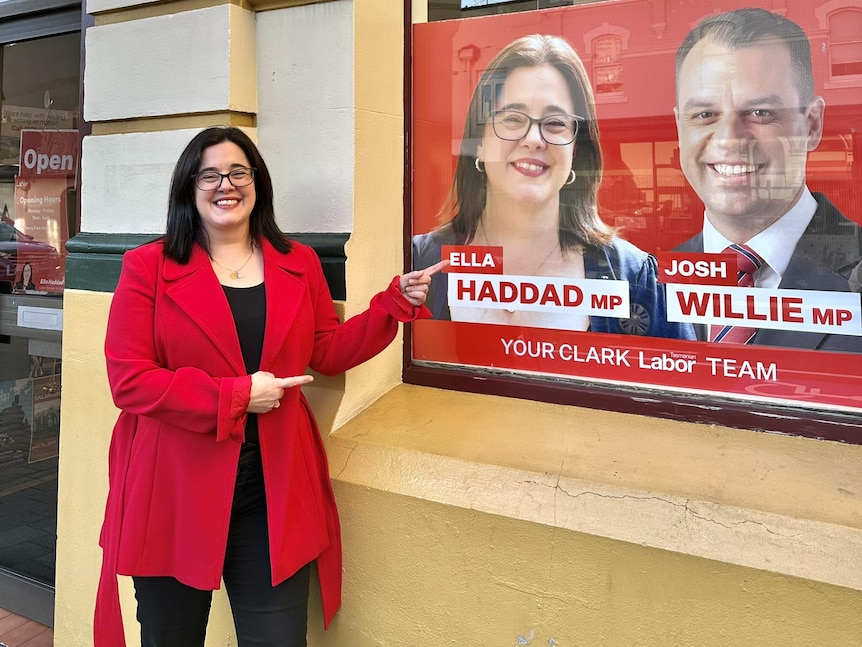
Ella Haddad says many online comments are “often really very vulgar”. (Facebook: Ella Haddad)
Labor MP Ella Haddad believes people still expect politicians to have a “really thick skin and portray strength at all times”.
“If they show any signs of vulnerability [there’s a perception] they’re a weak target for their opponents and someone that the community can’t rely on,” Ms Haddad said.
Sharing personal stories publicly can be particularly daunting because they can be “weaponised and used against you”, she said.
“There’ll be people questioning your fitness for office if you admit that you have had or are having any kind of issues around mental health.”
Despite this, she has chosen to share her own mental health battles.
“At the end of 2024 and into 2025, I was pretty unwell,” she said.
“I was still able to come to work each day, go to parliament each day, but outside of that I was not doing well at all, and I did need to seek professional help.
“Most people didn’t know what was going on in my life.
“But those close to me did, and some people in parliament did, and I was really quite encouraged by how many people from across parliament would just call every now and again and check how I was going.”
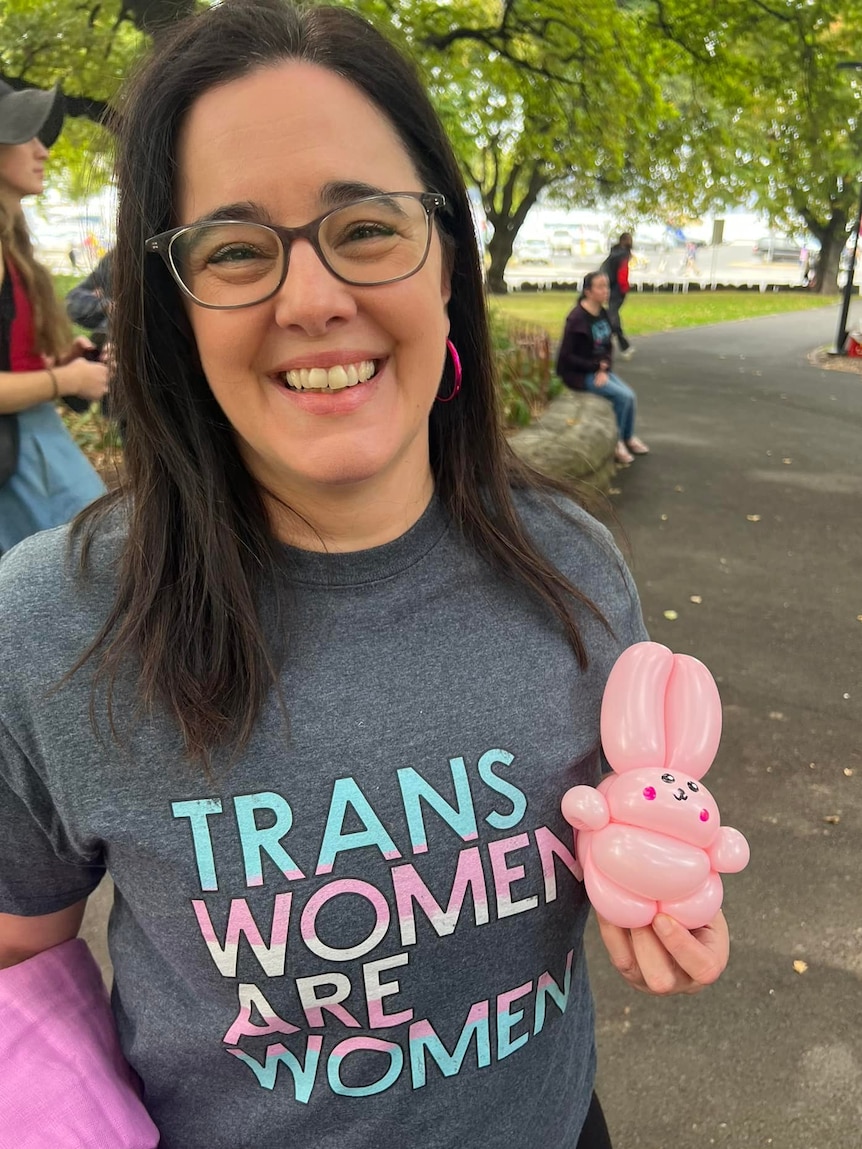
Ella Haddad says she as encouraged by the people from across the parliament who checked in with her. (Facebook: Ella Haddad)
Ms Haddad said she is doing OK now and feels the experience has made her stronger in the long term.
Her mental health struggles were not work-related, but in her time as an MP, she, like many other politicians, has had to deal with social media abuse.
“People would probably say, ‘oh, well, you put yourself out there, you deserve to get whatever’s coming your way,’” she said.
“But a lot of times, as anyone would see on the internet, the comments that people make are often really very vulgar and expletive-laden and often really personal and unnecessarily hurtful.
“I don’t think that adds to the political debate.”
Has parliament’s culture really improved?
While all politicians are potential targets of online abuse, the abuse faced by women can be more overtly gendered or sexual.
“We do get more comments about our bodies, our hair, our clothing, our families, I think, than some of our male counterparts do,” Ms Haddad said.
While Mr Rockliff is able to distance himself from social media, many MPs manage their own.
“People assume that we’re not human, that we’re not real, that we’re not seeing the letters that come into our offices, the emails that are coming into our offices, the comments on social media.
“But, for the most part, particularly in opposition, where our resourcing is really low, it is actually just us on our couches at 11 at night responding to things.”
She said it was important that people with existing mental health conditions feel safe to run for politics.
“What parliament needs is people of all kinds of experiences … ultimately, that is what will lead to better decision making.”
‘We need to make it safe’: Forrest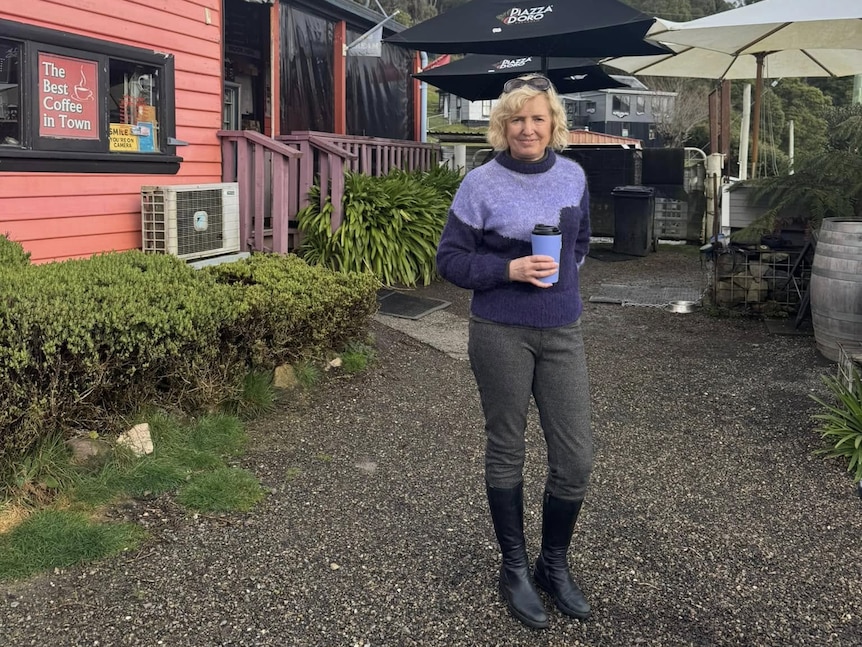
Ruth Forrest is concerned by the study’s findings. (Facebook: Ruth Forrest)
Independent Murchison MLC Ruth Forrest is a representative for the Better Politics study and is concerned by what it has found so far.
Like, the fact that around 70 per cent of the almost 300 politicians involved said being an elected member had negatively impacted their mental health and wellbeing.
“That’s quite disturbing when we rely on the good mental health and wellbeing of our elected leaders to make good decisions,” Ms Forrest said.
“We need to make it safe for members of parliament to speak up to get support and not to have it used as a weapon against them.”
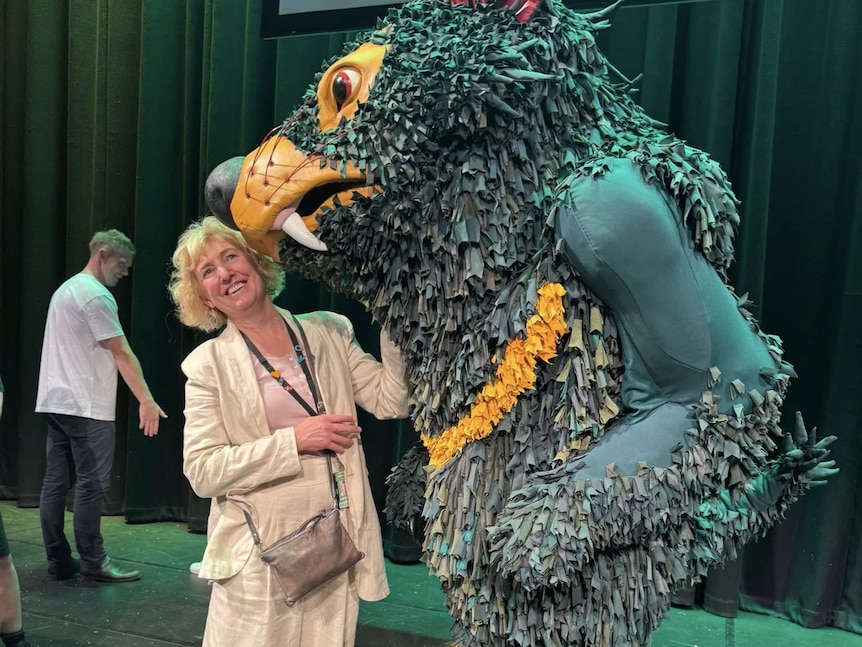
Ruth Forrest says some of the behaviour on display in parliament would not be acceptable in other workplaces. (Facebook: Ruth Forrest)
Social media has created another platform for politicians to be bullied and harassed, but Ms Forrest said it was not the only issue.
“Some of the behaviour you see within our council chambers, within our parliament, where in … most other workplaces, you would not accept that sort of behaviour,” she said.
Ms Forrest said the requirement for politicians to be always available and responding to questions adds extra pressure, “particularly when you’re trying to deal with family and other life commitments as well, like everyone has”.
Who would want to be in local government?
She said there was no place for aggression in parliament, and it can take a significant toll on someone who was already struggling.
She gives an example of an MP who may have a family crisis going on, then “suddenly someone has a crack at them on the floor of parliament”.
“Then that person is tipped over the edge, not really because of what that person said, but because of the compounding effect of all the things they’re dealing with.
“In a normal workplace, you probably take a day off. It’s a bit hard when parliament’s sitting.
“But in a normal workplace, that sort of behaviour would almost certainly be called out, and there would be some sort of disciplinary process.”
Ms Forrest said while she has never been in the 20 per cent who have wanted to harm themselves, the job has got her down at times, leaving her wondering “what’s the point”.
“Why would I keep trying to work really hard and do the best job I can when all you get is criticism and put-downs?”
She said the “majority of people” tell her “they wouldn’t want my job for quids”.
“My come back to that a bit is, well, then perhaps you should back me up when I’m working really hard and trying to do stuff, because it’s easy to criticise when you don’t want to do the role yourself.”