
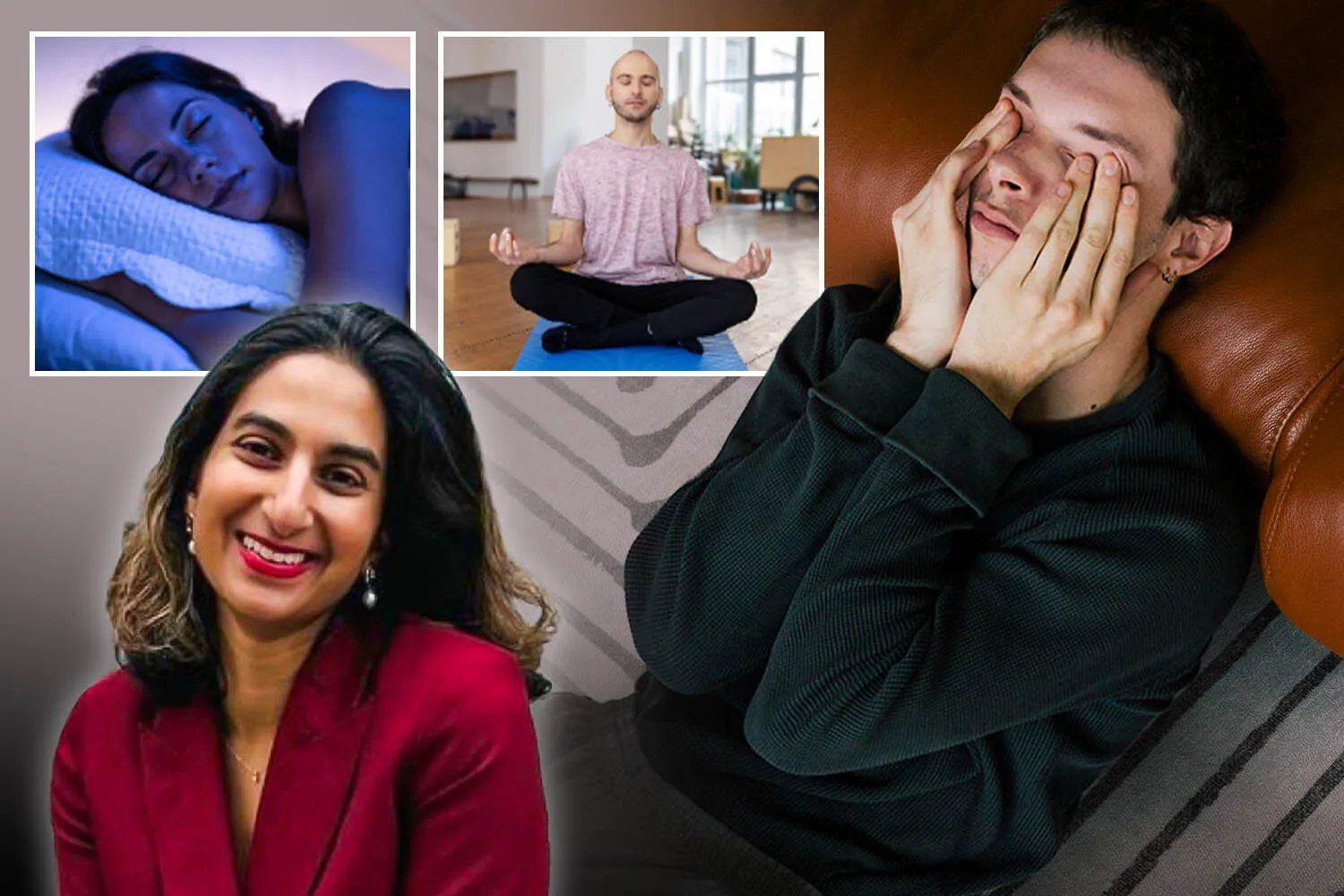
SCOTLAND is under strain due to anxiety, with nearly a third of adults taking time off for mental health reasons, according to new research.
As many as 1.3million working days have been lost across the country due to the stresses of everyday life.
Sign up for Scottish Sun newsletter
Thank you!
As many as 1.3million working days have been lost across the country due to stress
These findings, from a new survey commissioned by Kalms Herbal Remedies, show that feelings of anxiety and stress are far from uncommon.
Not all forms of anxiety meet the criteria of a clinical diagnosis, but they can still wreak havoc on society.
Day-to-day anxiety refers to persistent mild to moderate feelings of unease triggered by normal pressures — work, home life, finances or responsibilities — often without one obvious cause.

JET, SET, NO
Influencer duped followers with flash trips & brand deals to hide dark truth
SUBO’S BACK
Inside new life & comeback plans after leaving childhood home, says Susan Boyle
A spokesperson for charity Anxiety UK said: “Day-to-day anxiety and stress may not be severe enough to be diagnosed clinically as an anxiety disorder.
“However, when it begins to interfere with concentration, confidence or attendance at work, it is problematic.”
The survey also found that more than half of Scots report mild anxiety at least once a week, and one in 10 say it affects them multiple times a day.
Four in ten Scots say day-to-day anxiety makes it difficult to focus on routine tasks, 39 per cent report being less productive, and 37 per cent reported that it reduced their ability to enjoy hobbies or time with loved ones.
Most read in The Scottish Sun
While two in five feel less confident at work as a result of anxiety, and around a quarter say it affects their motivation and energy levels and has an impact on their self-esteem.
5 ways to wind down
Sleep disruption is one of the biggest red flags. Create a proper wind-down routine – dim lights, avoid scrolling in bed, reduce caffeine after lunch – give your brain signals that the day is done.
Move, even when you don’t feel like it. Gentle movement such as walking, stretching or yoga can help discharge nervous energy. It doesn’t have to be a full workout – consistency matters more than intensity.
Talking to a friend, partner or family member can reduce the sense of isolation anxiety creates. Organisations such as Anxiety UK can also provide information and structured support. Seek support from your GP if symptoms persist or get worse.
Turning to alcohol to unwind, or withdrawing from situations, may offer short-term relief but can reinforce anxiety patterns. Small, healthier rituals – a bath, mindful breathing, journaling – are far more supportive long-term.
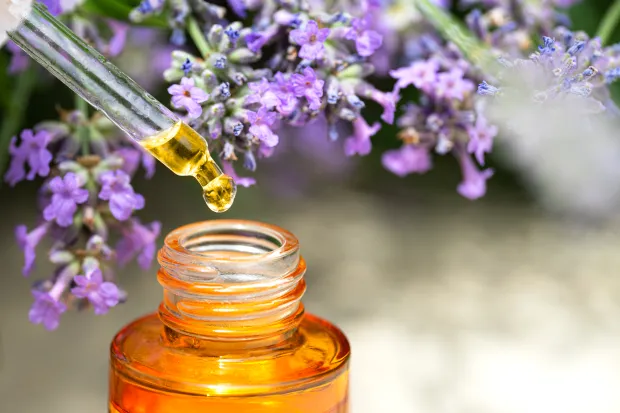
Pharmacists can advise on over-the-counter options. For example, lavender oil preparations are traditionally used for the temporary relief of mild anxiety. Any option should complement healthy lifestyle habits and, where appropriate, wider support.
Thorrun Govind, pharmacist and former Chair of the Royal Pharmaceutical Society, said: “Feeling anxious from time to time is a normal part of life, but if it affects your sleep, focus or confidence, it’s worth taking steps to restore balance.
“Small, consistent habits can make a real difference. A regular wind-down routine, cutting back on caffeine and late-night screen time, and fitting short movement breaks into your day can all help support resilience. Techniques such as mindfulness may also help calm racing thoughts.
Thorrun Govind, pharmacist and former Chair of the Royal Pharmaceutical Society, reckons a bit of anxiety is healthyCredit: Getty
“It’s important not to withdraw. Avoiding situations, bottling up worries or turning to alcohol can reinforce unhelpful patterns.
“Talking to friends, family or colleagues can reduce isolation. Pharmacists are a good first point of contact if you want practical advice as they can advise on over-the-counter options.
“For example, lavender oil preparations are used for temporary relief of mild anxiety. These products are based on traditional use only. Any option should complement healthy lifestyle habits and, where appropriate, wider support.”
The burden of day-to-day anxiety is not felt equally across the nation.
The new research revealed that almost one in four women say they feel anxious at least once a day, compared with 16 per cent of men.
The impact also appears to be greater for women. Three in ten say anxiety affects their emotional wellbeing, compared with 16 per cent of men.
A quarter of women report an impact on their physical health, versus 15 per cent of men, and nearly one in five women say it puts a strain on their relationships, compared with 13 per cent of men.
One in five Scots adults receive an antidepressant each yearCredit: Getty
Adults aged 18 to 24 also appear particularly affected, with 37 per cent citing overthinking and 29 per cent reporting sleep disturbances.
Nearly a third in this group say anxiety affects their motivation (31 per cent) and self-esteem (32 per cent) — the highest of any age bracket.
These findings reflect wider prescribing trends in Scotland, where around one in five adults receive an antidepressant each year, with use higher among women and increasing in younger people.
More than two in five admit they ignore their symptoms and push through — yet over a third say they have increased their alcohol intake as a way of coping with symptoms including sleeplessness. While 36 per cent avoid situations that trigger anxiety altogether.
There has been a surge in online advice, wellness trends and tools marketed as quick fixes for anxiety. It can be difficult to know what is evidence-based, what is regulated and what is simply adding to the noise.
While pharmacists can help those struggling with day-to-day anxiety, if the symptoms become persistent or overwhelming, individuals should see their GP or a qualified mental health professional.
Anxiety UK advises that recognising anxiety and stress at an early stage and accesssing appropriate support can prevent it from becoming more severe and potentially disabling.
There has been a surge in online advice, wellness trends and tools marketed as quick fixes for anxiety