
Thailand is facing growing challenges in adolescent mental health. A survey of 360,069 children and adolescents conducted through the Department of Mental Health’s Mental Health Check-in application found that 39,105 showed signs of depression risk, and 65,951 — one in five — showed signs of suicide risk.
Experts point to strained family relationships, academic pressure, and peer dynamics as the main factors behind the decline in young people’s mental health — and these same pressures can also increase vulnerability to early substance use among adolescents. Since 2022, the Department of Juvenile Observation and Protection has reported at least 3,000 cases per year of drug-related offences involving adolescents in Thailand.
Although often addressed separately, adolescent mental health challenges and substance‑use risks share common underlying determinants, including the quality of family relationships. In recent years, Thailand has been working to strengthen prevention‑oriented approaches, evidence-based programme designed to support adolescents and their families through these challenges.
Bringing families together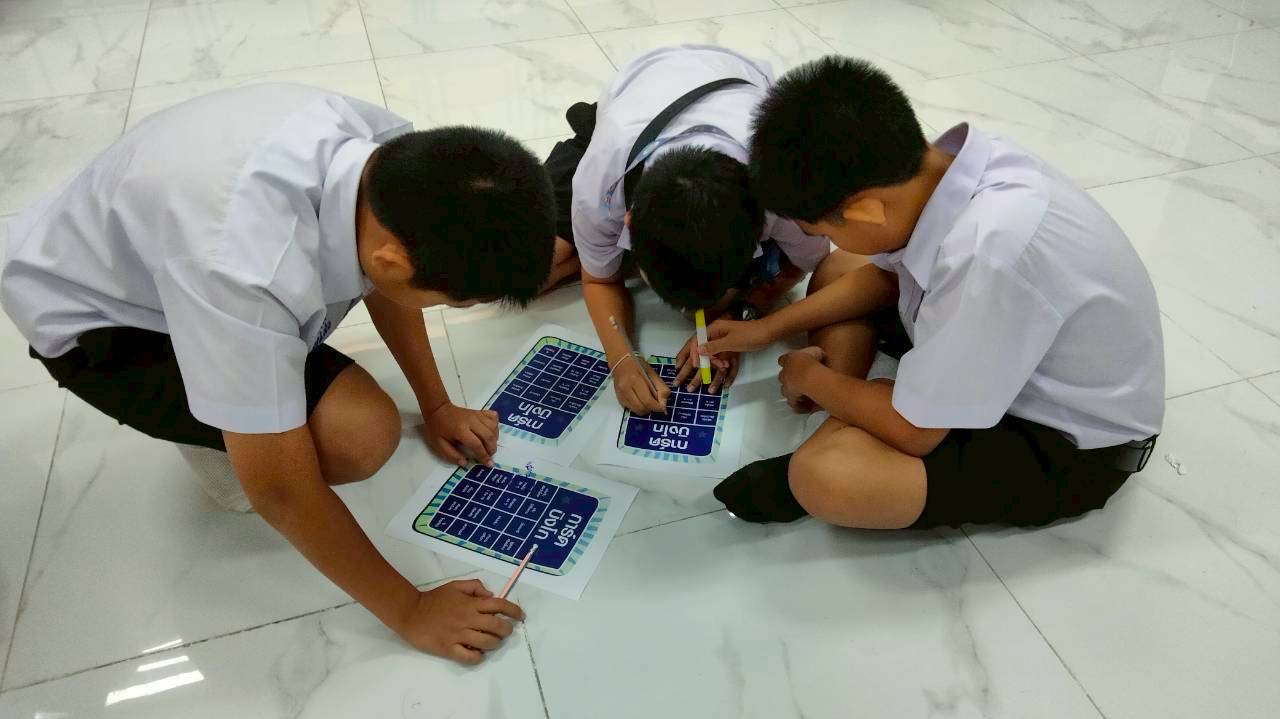
Students play a Bingo Card game as part of the Family United module — a stress-relieving activity designed to encourage discussion about personal relaxation (Credit: Department of Mental Health, MOPH)
In 2025, WHO Thailand, the United Nations Office on Drugs and Crime (UNODC), and Thailand’s Department of Mental Health worked together to adapt a global evidence-based parenting programme for the Thai context: Family United.
Originally developed by UNODC in 2017, Family United is based on a well-established principle: supportive and connected families contribute to better adolescent health and reduced engagement in risk behaviours. The programme brings caregivers and children together through parallel and joint sessions each week, building communication, trust, and the shared skills to navigate peer pressure and the challenges of adolescence.
Parents and caregivers learn how to praise and encourage, manage challenging behaviour, communicate calmly during conflict, and care for themselves. Children build positive qualities, develop stress-coping skills, and practice resisting peer pressure. Then, as a family, they share what they have learned, building understanding, connection, and a common language for the challenges that lie ahead.
Adapting the programme for Thailand
Health professionals are trained in the adapted curriculum and will serve as the first batch to deliver services to parents and children. (Credit: Department of Mental Health, MOPH)
A team from the Department of Mental Health worked with addiction prevention and adolescent mental health experts to localize the programme for the Thai context — rewriting role-play scenarios to reflect everyday Thai family life and addressing the unique realities of Thai households, including skipped-generation parenting.
Under the partnership, 36 health professionals composed of doctors, nurses, psychologists, social workers, educators, and physiotherapists were trained by UNODC to deliver the programme.
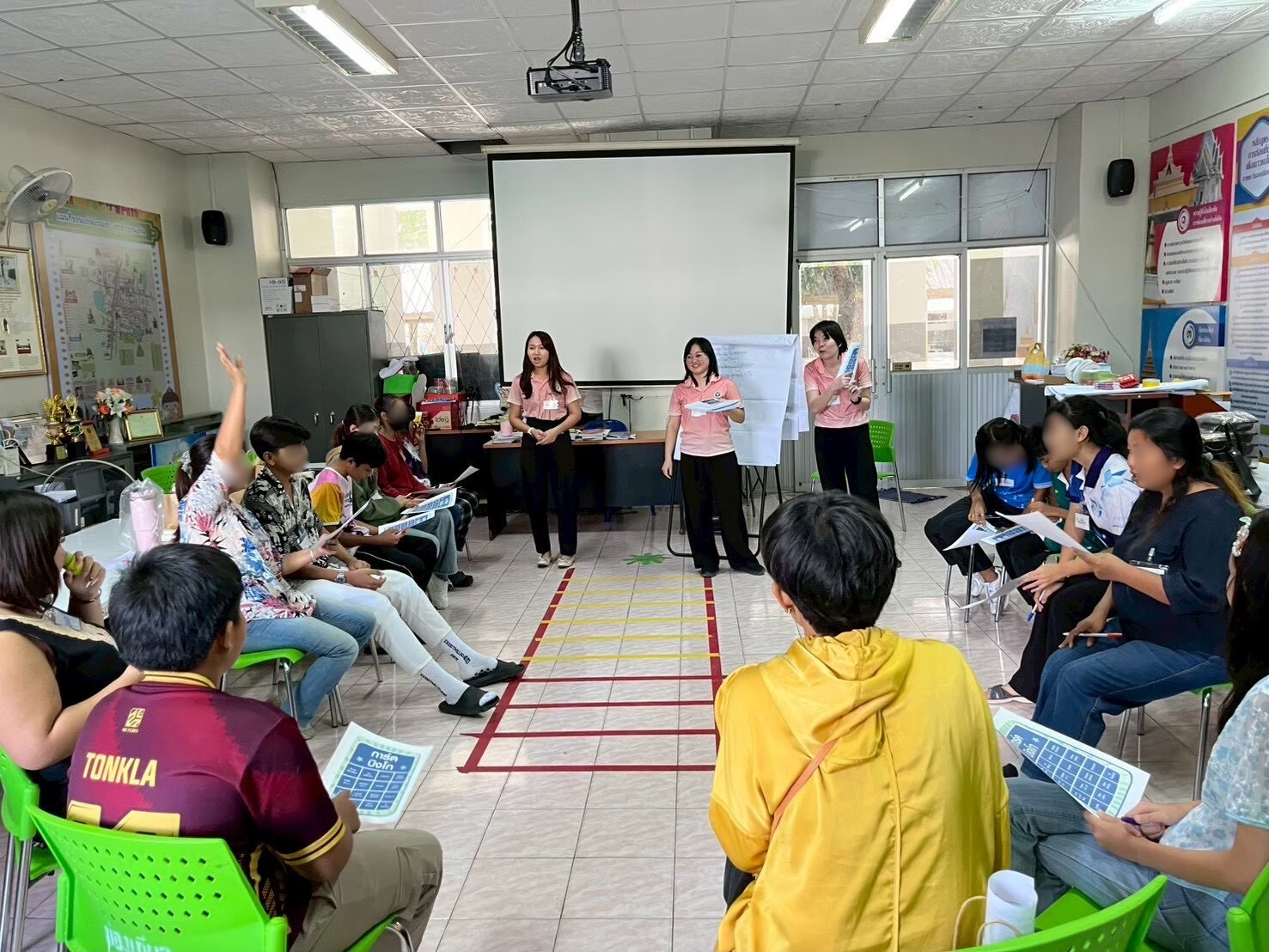
The session that combined both parents and children together after the separate session at the Northeastern Institute of Child and Adolescent Mental Health). The session aims to build strong means of communication between both (Credit: Department of Mental Health, MOPH)
Between August and October 2025, the Thai version was piloted across three provinces — Bangkok, Chiang Mai, and Khon Kaen — reaching 38 families in diverse settings. Parents across all three sites reported positive changes in their children’s confidence and communication, as well as improvements in family relationships at home.
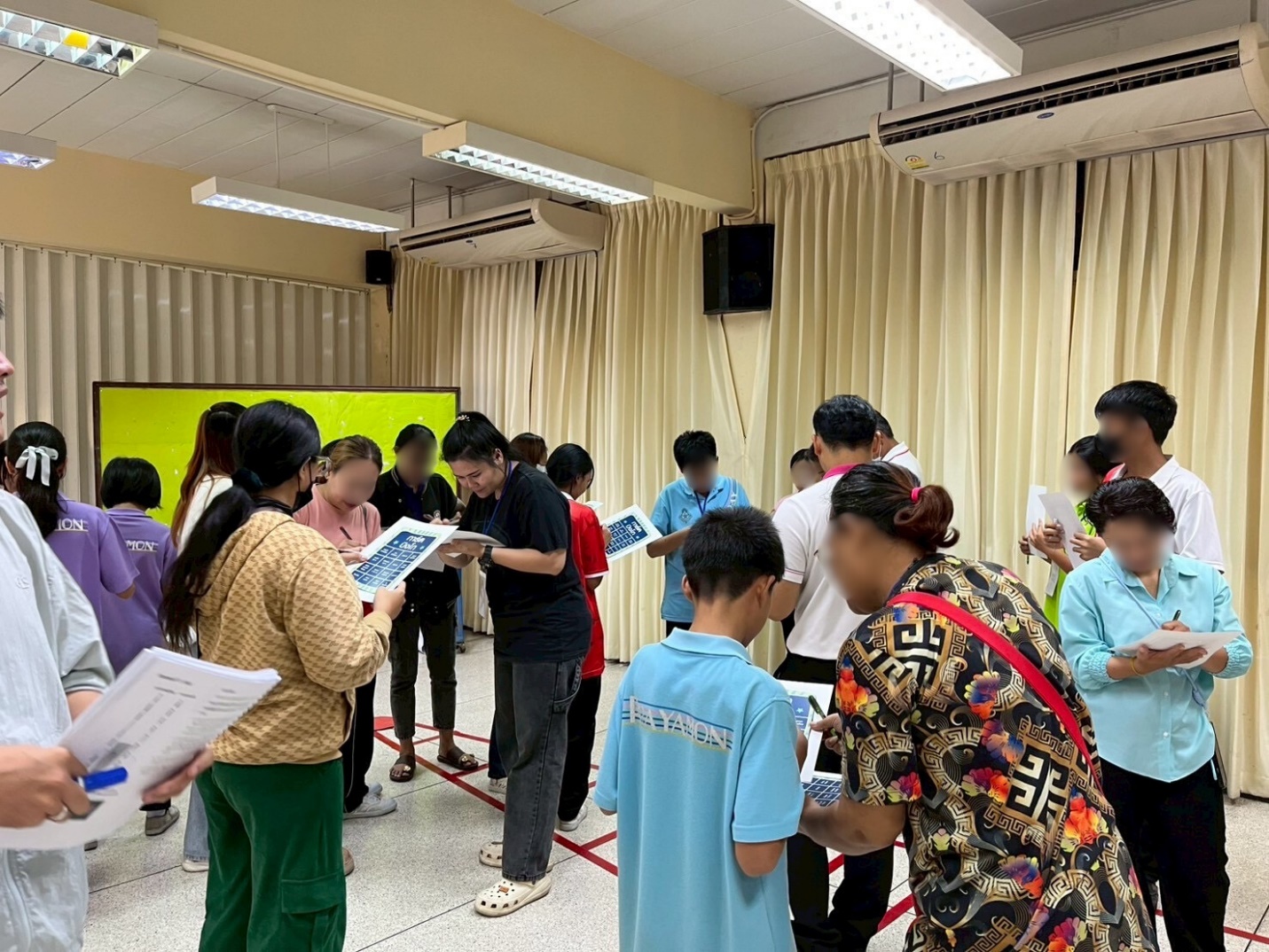 Parents and children engage in shared activities to better understand each other (Credit: Department of Mental Health, MOPH)
What Comes Next
A formal stakeholder consultation concluded that the Family United programme is appropriate, acceptable, and feasible for the Thai context and aligns well with national priorities on adolescent mental health and substance-use prevention. With these foundations in place, the Department of Mental Health will lead the next phase, working with partners to expand the adapted Family United so that families across Thailand can benefit.
By investing in families and strengthening everyday relationships, Thailand is advancing a prevention‑oriented approach that supports adolescent mental health, preventing substance use, and supporting healthier futures for young people, in line with WHO’s emphasis on prevention, early intervention, and community based approaches.
This project forms part of a broader initiative led by the Department of Mental Health, Ministry of Public Health, Thailand, to scale-up evidence‑based parenting interventions nationwide, with support from WHO and the LEGO Foundation.