
By: Monica Smith | May 27, 2026 | 9 min. read |
Summary
Sylvester’s Fields Galley Emotional Wellness for Cancer Survivors Clinic helps patients cope emotionally during and after cancer through evidence-based, holistic care.
The clinic uses dialectical behavior therapy along with supportive services such as nutrition, exercise physiology, music and art therapies.
Physicians can easily recommend the program, reinforcing that mental health support during cancer is essential and free of stigma.
For many patients, the end of primary cancer treatment does not mark the end of the emotional impact of cancer. Long after surgery, chemotherapy and/or radiation have ended, survivors may grapple with symptoms of anxiety, depression, fear of recurrence and uncertainty about how to move forward.
At Sylvester Comprehensive Cancer Center, part of UHealth — University of Miami Health System, emotional wellness is recognized as an essential component of cancer care.
That philosophy is embodied by the Fields Galley Emotional Wellness for Cancer Survivor Clinic, a specialized mental health clinic designed to help patients cope emotionally during and after cancer treatment. Launched in 2023 through Sylvester’s Cancer Survivorship and Supportive Care Institute (SSCI), the clinic is part of a broader effort to expand psychosocial oncology services for cancer survivors.
The program, led by Zili Huma Khan, LCSW, supervisor of social services for the institute, in collaboration with Joycelyn Lee, Ph.D., M.B.A., director of psychosocial oncology at SSCI and assistant professor of psychiatry and behavioral sciences at the University of Miami Miller School of Medicine, is gaining new momentum as leaders work to expand its reach and impact across Sylvester.
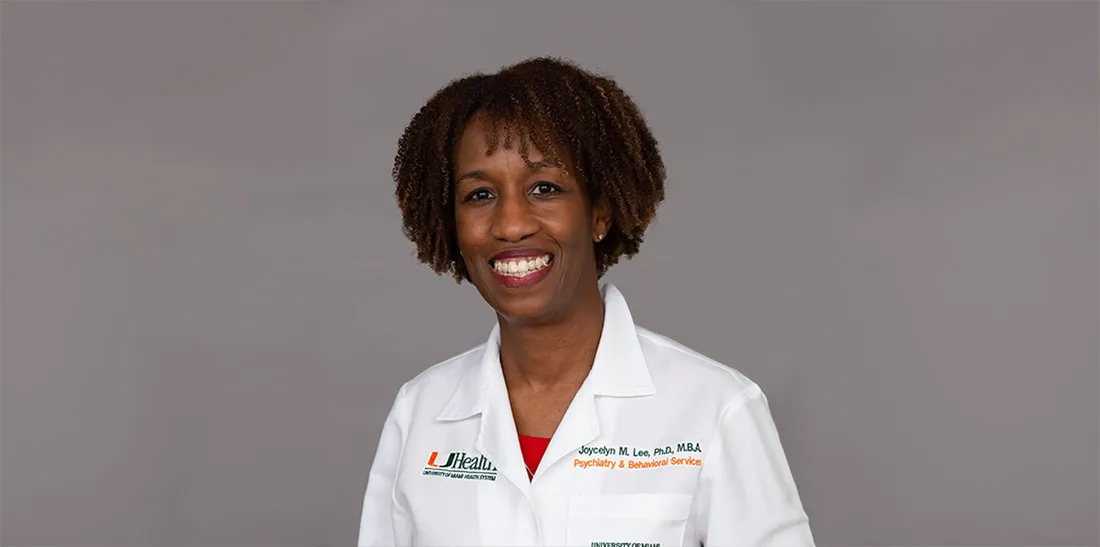 Dr. Jocelyn Lee is director of psychosocial oncology at Sylvester’s Cancer Survivorship and Supportive Care Institute.
“Cancer affects far more than the body,” said Dr. Lee. “Emotional wellness care gives patients the skills and support they need to navigate the psychological and emotional changes that come with diagnosis, treatment and survivorship.”
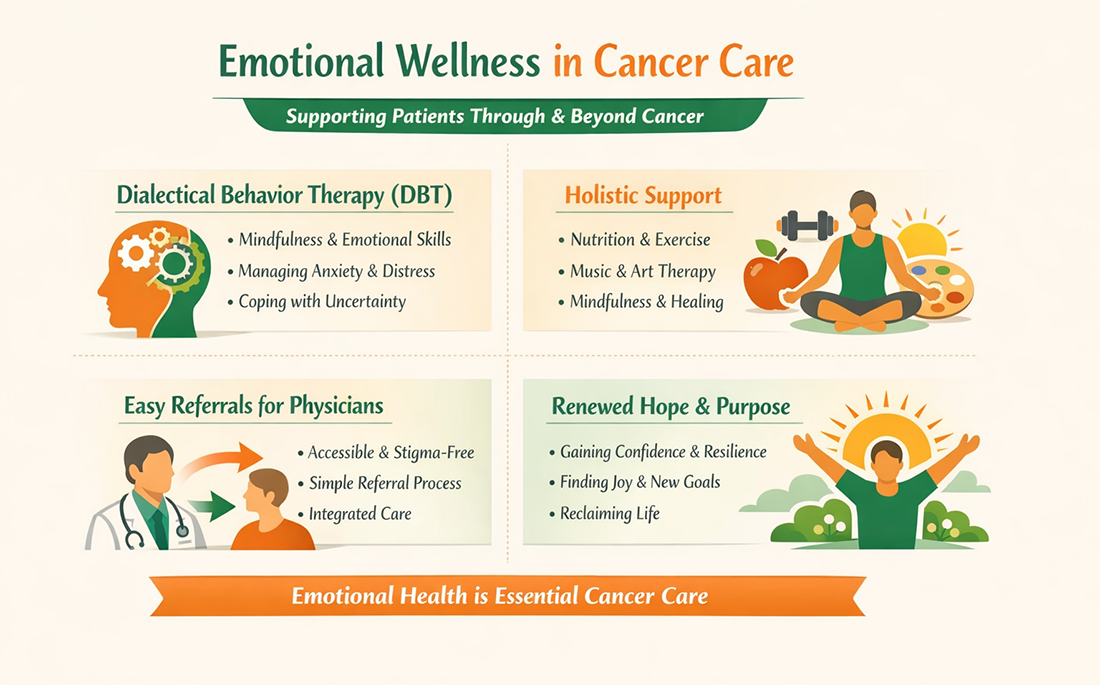
Grounded in Dialectical Behavior Therapy (DBT)
The clinic reflects a broader effort to strengthen and expand psychosocial services alongside traditional oncology care. While psychiatry has long played a role in cancer treatment, this clinic emphasizes psychotherapy and emotional skill building, addressing a gap many patients experience during survivorship.
At its core, the Fields Galley Emotional Wellness for Cancer Survivors Clinic is grounded in dialectical behavior therapy (DBT). This approach helps patients develop tools for mindfulness, emotion regulation, distress tolerance and more effective communication skills. Patients learn how to manage intense emotions, cope with uncertainty and reconnect with their values. According to Dr. Lee, Sylvester is among a small number of National Cancer Institute-designated centers offering a dedicated mental health clinic focused specifically on cancer survivorship and DBT. The crux of DBT is to identify ways to make life worth living, she said.
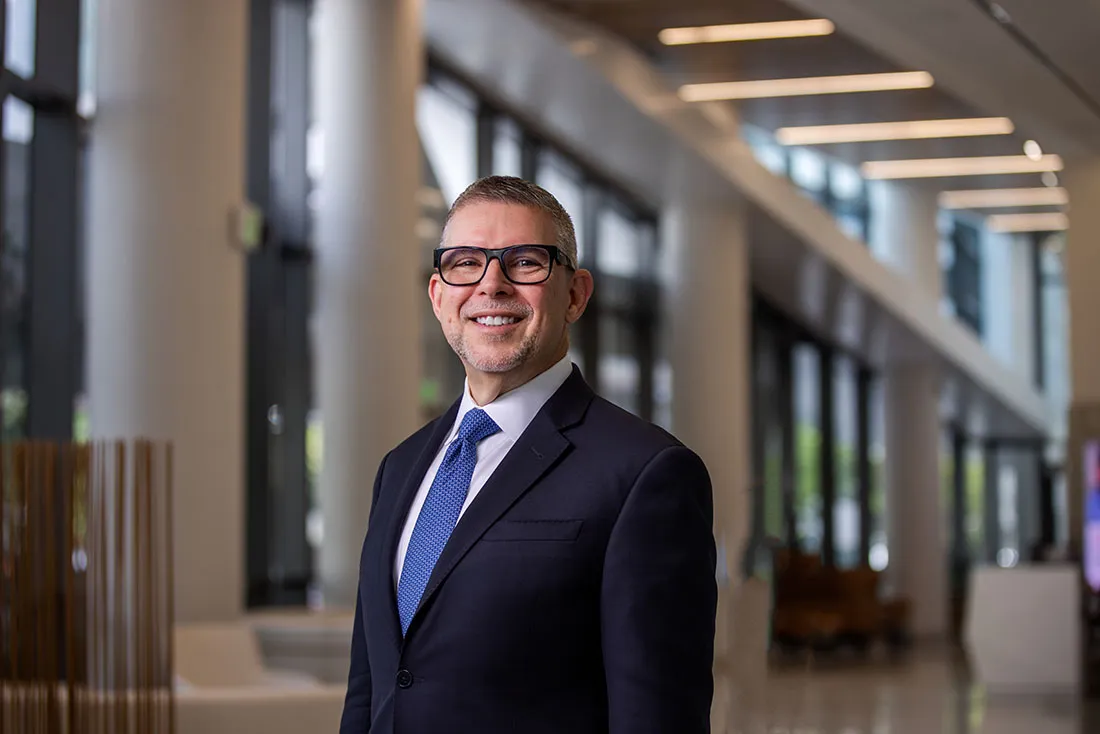 Dr. Frank Penedo says the type of support Sylvester provides for survivors has a positive impact on patient outcomes.
“Decades of research now show that psychosocial and behavioral interventions are essential components of high-quality cancer care. Evidence-based mental health support can improve symptom management, treatment adherence, emotional functioning and overall survivorship outcomes,” Frank Penedo, Ph.D., director of SSCI and associate director for population sciences at Sylvester, said. “We are committed to translating that science into accessible, patient-centered care for every survivor.”
A Holistic Approach to Feeling Stronger
The clinic takes a holistic approach that integrates emotional wellness with other dimensions of health, including nutrition, physical activity, mindfulness and spirituality. This comprehensive framework allows patients, in group settings and one-on-one treatment, to explore what living well looks like after cancer.
“We are helping patients move from feeling overwhelmed by cancer to actively engaging in their lives again,” said Khan, lead of the emotional wellness program. “DBT gives patients practical skills, while our broader interdisciplinary approach supports the whole person emotionally, physically and socially.”
According to Nichole Puentes, integrative cancer supportive care lead for SSCI, emotional wellness must be normalized as part of routine cancer care.
“Mental health support during the cancer care continuum should never be a source of shame or stigma,” Puentes said. “Needing emotional support does not mean someone is weak. It means they are human and responding to an incredibly challenging experience.”
Cancer care is not complete without caring for the emotional health of patients.
Dr. Jocelyn Lee
Physicians Can Refer to the Clinic Easily
Dr. Lee’s leadership has brought greater clarity and structure to the program, along with plans to scale it to reach more patients. An important part of that effort is accessibility. Physicians across Sylvester can recommend the program to their patients, making referrals seamless and removing barriers to care, Puentes said.
“When emotional wellness is integrated into cancer care, it becomes a natural extension of healing,” Dr. Lee said.
Clinicians involved in the program consistently observe meaningful changes among participants. Patients who once felt disconnected, fearful or uncertain often begin to regain confidence, purpose and a sense of control over their lives.
Patients Find Renewed Hope and Purpose
Dr. Lee described one participant who experienced an epiphany during the program and turned a newly discovered hobby into a business using the tools gained there. The program is ongoing and runs for several months, addressing the core components that can create and maintain suffering. Many patients enroll in multiple cycles until they feel strong enough with the tools taught, which include mindfulness, interpersonal effectiveness, emotional regulation and distress tolerance.
In addition to the psychological skills and the validation support that patients experience, there are also other areas that patients can explore, including sexual health post-cancer, relationship concerns, body-image difficulties, long-term treatment side effects, sleep disruptions and supportive practices such as exercise, yoga and ways to adjust after treatment, Khan explained.
“Cancer care is not complete without caring for the emotional health of patients,” said Dr. Lee. “Every cancer survivor deserves the opportunity not just to survive, but to heal, reconnect with life and look toward the future with hope.”
More from Sylvester Comprehensive Cancer Center
Tags: cancer research, cancer survivorship, Department of Psychiatry and Behavioral Sciences, Division of Medical Oncology, Dr. Frank Penedo, Dr. Jocelyn Lee, Psychiatry and Behavioral Sciences, Sylvester Comprehensive Cancer Center, Sylvester’s Survivorship and Supportive Care Institute