
Her brother was always “the smart one” in the family.“I was always jealous,” Jessica Ferguson said.Ferguson and her brother grew up in Newton, the fourth generation of the family to do so, and “in a great home,” Jessica said.“My family member is loved,” she said.The family member — her younger brother — is Chris Ferguson. He is being held at Bridgewater State Hospital, charged with the murder of three strangers in June 2023: Gilda and Bruno D’Amore, who were supposed to renew their vows in church for their 50th wedding anniversary, and Gilda’s mother, Lucia Arpino.It was a tragedy that “absolutely” could have been prevented, Ferguson said.“He’s not a monster. He never was a monster. He wasn’t violent,” she said. “Nobody involved in this case should be where we are today. Not my family, not the other family. It’s just sad.”The first signs of Chris Ferguson’s mental illness came just after he graduated from the University of Southern California. He started a master’s program at UC Berkeley but didn’t finish.Court records show Ferguson has been diagnosed with “Bipolar I disorder with psychotic features,” a serious mental illness that can cause extreme mood swings and periods in which a person loses touch with reality.Jessica remembers the first time she noticed the disease.“He sat my family down and was just kind of giving us a monologue out of the blue about stuff, and we didn’t really know where he was going with it. He was just kind of rambling on and on, and we had never heard him speak like that before,” she said.His sister wasn’t directly involved in his care at first, but she kept in touch and could see that her brother was handling his illness: taking his medications, seeing his prescriber, working.“So with consistent medication and therapy and everything like that, he was living a successful life,” she said.In February 2023, she noticed a change. Chris started spring cleaning.“He emptied out his bedroom … and was ready to throw it away,” she said.Unsure how to proceed, she called a mobile crisis unit. A clinician recommended he be hospitalized. He was, for three days.After his release, Chris’s deterioration had only begun, so he was still engaging with his prescriber and his sister about his care.His mental state continued to worsen, and by the next month, he fired his therapist and his behavior grew more erratic.“Now he’s selling his car, he’s quitting jobs, and I’m like, ‘This is not good.’”That was March, and by May, there was another hospitalization after police were called to remove him from a business.“At this point, we have a lot of people that it should be on their radar that he’s deteriorating,” Ferguson said.But as Chris’s mental health crisis deepened, so did his belief that he didn’t need the treatment that would lessen his symptoms. By June, Chris wasn’t working, but his delusions were flourishing.“He thinks that he can buy million-dollar homes. He’s going on house showings, he’s going to car dealerships and taking test drives. Just doing things that are indicating that he’s not in the right state. Nothing violent, but just things that don’t add up and he would never normally do,” Jessica said.After he tried selling his belongings on the lawn, she called police.“Because at this point I don’t know what else to do,” she said. “Then he goes to the hospital again in June and in my head I’m like, ‘All right, I’m putting my foot down. They’re keeping him.’”A couple of days after he was admitted, she called to check in.“And they’re like, ‘Yeah, we’re releasing him today.’ And I was like, ‘I’m sorry, what?’ I was like, “No, no, you don’t understand. This is the third time in four months he’s been in the hospital. Like, no.” And they’re like, ‘Yeah, there’s nothing we can do,’” she said.Her fear was that something would happen to him because of his illness. A Black man in his state can be intimidating, she said. Or he’d get a nail stuck in his foot from walking around barefoot.“Those are the kinds of things that I thought were in my mind of things that could potentially happen. I didn’t want him to get hurt. Not that he had the potential to do anything or be accused of doing anything,” she said.On June 25, Bruno D’Amore, 74, his wife Gilda, 73, and her mother, Lucia Arpino, 97, were supposed to be at church where the D’Amores’ 50th wedding anniversary was going to be recognized. When they didn’t arrive, a close friend went to their house and discovered a gruesome scene. All three were dead in Arpino’s bedroom, all beaten and stabbed multiple times.Ferguson is awaiting trial on three counts of murder and other charges. His attorney declined to comment. A relative of the three victims did not respond to a request for comment.“None of this had to happen, none of it,” Jessica said. “This, in my opinion, is a complete failure of the system of letting people with severe mental illness fall through the cracks and end up being criminalized for having a disease they did not ask for.”Ann Corcoran, executive director of the National Shattering Silence Coalition, which works to improve the lives of those affected by severe mental illness, said the Ferguson case was far from an isolated one. “Families are trying repeatedly to get their loved ones help and are told there’s nothing they can do until somebody becomes dangerous,” she said.She and Jessica are among those asking the Massachusetts Legislature to pass a bill that would create a new system for dealing with patients with serious mental illnesses. Its most controversial feature would make it easier for a judge to order someone into mental health care — also known as AOT, Assisted Outpatient Treatment.Now, a judge can only order someone committed for mental health treatment if there is a likelihood of serious harm to self or others — a standard that Corcoran says allows people with serious mental illness to spiral too deeply into psychosis or other states.“People with schizophrenia and Bipolar I with psychosis, they can and do live lives of recovery with the right treatment, but what’s happening now in Massachusetts is we are just leaving people out in the community far too long, so that they are ending up in the criminal justice system or on the streets or dying,” Corcoran said.Corcoran says the Ferguson case shows why the law is desperately needed in Massachusetts. And she said Massachusetts is just one of two states in the country without a similar measure.“When somebody cannot recognize that they are ill, they deserve the right to be well, and we need to restore them to the capacity to be able to make that decision for themselves,” she said.But the bill has its critics, including among mental health advocates who agree the current system is broken.“The system is not doing the job, but the way into that problem isn’t by court-mandating the person who is already suffering,” said Monica Luke, whose son experienced his first psychotic break in 2001 at the age of 20. “If we need judges to make our mental health system actually pay attention to the people who need care, something’s really wrong with that picture, right?”Sera Davidow has struggled with her own mental health. She has serious reservations about AOT.“So I think there’s three big reasons. One is I have to ask the question of, is AOT effective? Even if it’s effective, will they implement it ethically? And then three is, do the treatments that they want to force work?” she said.Davidow had concerns about all three issues, and draws on her own experience with being forced into mental health treatment when she was younger.“I can tell you the main thing I learned from experiencing force in my 20s was, ‘Don’t talk to anybody. Don’t tell anybody that I’m struggling,’” she said.Corcoran says some of the criticism is misguided because the bill would only apply to people she described as “gravely disabled.”“They’re not going to go and take somebody just because they have depression or anxiety or a suicidal thought and put them on an AOT order. That’s simply not going to happen,” she said. “When somebody loses touch with reality, we need to give them back their rights to make their own decisions, and that is what AOT is going to do. It’s medically lifesaving treatment.”
NEWTON, Mass. —
Her brother was always “the smart one” in the family.
“I was always jealous,” Jessica Ferguson said.
Ferguson and her brother grew up in Newton, the fourth generation of the family to do so, and “in a great home,” Jessica said.
“My family member is loved,” she said.
The family member — her younger brother — is Chris Ferguson. He is being held at Bridgewater State Hospital, charged with the murder of three strangers in June 2023: Gilda and Bruno D’Amore, who were supposed to renew their vows in church for their 50th wedding anniversary, and Gilda’s mother, Lucia Arpino.
It was a tragedy that “absolutely” could have been prevented, Ferguson said.
“He’s not a monster. He never was a monster. He wasn’t violent,” she said. “Nobody involved in this case should be where we are today. Not my family, not the other family. It’s just sad.”
The first signs of Chris Ferguson’s mental illness came just after he graduated from the University of Southern California. He started a master’s program at UC Berkeley but didn’t finish.
Court records show Ferguson has been diagnosed with “Bipolar I disorder with psychotic features,” a serious mental illness that can cause extreme mood swings and periods in which a person loses touch with reality.
Jessica remembers the first time she noticed the disease.
“He sat my family down and was just kind of giving us a monologue out of the blue about stuff, and we didn’t really know where he was going with it. He was just kind of rambling on and on, and we had never heard him speak like that before,” she said.
Hearst Owned
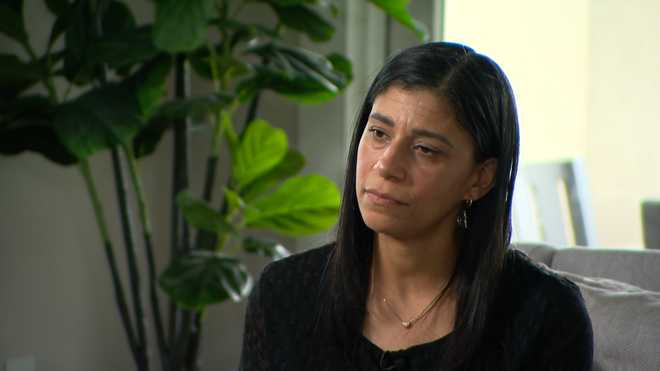
Jessica Ferguson, in an interview, said her brother was hospitalized three times in four months but still didn’t get the mental health care needed to stabilize his mental illness.
His sister wasn’t directly involved in his care at first, but she kept in touch and could see that her brother was handling his illness: taking his medications, seeing his prescriber, working.
“So with consistent medication and therapy and everything like that, he was living a successful life,” she said.

Jessica Ferguson
Chris Ferguson, right, grew up in a loving family in Newton, his sister said.
In February 2023, she noticed a change. Chris started spring cleaning.
“He emptied out his bedroom … and was ready to throw it away,” she said.
Unsure how to proceed, she called a mobile crisis unit. A clinician recommended he be hospitalized. He was, for three days.
After his release, Chris’s deterioration had only begun, so he was still engaging with his prescriber and his sister about his care.
His mental state continued to worsen, and by the next month, he fired his therapist and his behavior grew more erratic.
“Now he’s selling his car, he’s quitting jobs, and I’m like, ‘This is not good.’”
That was March, and by May, there was another hospitalization after police were called to remove him from a business.
“At this point, we have a lot of people that it should be on their radar that he’s deteriorating,” Ferguson said.
But as Chris’s mental health crisis deepened, so did his belief that he didn’t need the treatment that would lessen his symptoms. By June, Chris wasn’t working, but his delusions were flourishing.
“He thinks that he can buy million-dollar homes. He’s going on house showings, he’s going to car dealerships and taking test drives. Just doing things that are indicating that he’s not in the right state. Nothing violent, but just things that don’t add up and he would never normally do,” Jessica said.
After he tried selling his belongings on the lawn, she called police.
“Because at this point I don’t know what else to do,” she said. “Then he goes to the hospital again in June and in my head I’m like, ‘All right, I’m putting my foot down. They’re keeping him.’”
A couple of days after he was admitted, she called to check in.
“And they’re like, ‘Yeah, we’re releasing him today.’ And I was like, ‘I’m sorry, what?’ I was like, “No, no, you don’t understand. This is the third time in four months he’s been in the hospital. Like, no.” And they’re like, ‘Yeah, there’s nothing we can do,’” she said.
Her fear was that something would happen to him because of his illness. A Black man in his state can be intimidating, she said. Or he’d get a nail stuck in his foot from walking around barefoot.
“Those are the kinds of things that I thought were in my mind of things that could potentially happen. I didn’t want him to get hurt. Not that he had the potential to do anything or be accused of doing anything,” she said.
On June 25, Bruno D’Amore, 74, his wife Gilda, 73, and her mother, Lucia Arpino, 97, were supposed to be at church where the D’Amores’ 50th wedding anniversary was going to be recognized.
When they didn’t arrive, a close friend went to their house and discovered a gruesome scene. All three were dead in Arpino’s bedroom, all beaten and stabbed multiple times.
Ferguson is awaiting trial on three counts of murder and other charges. His attorney declined to comment. A relative of the three victims did not respond to a request for comment.

Family handout
On June 25, 2023, Bruno D’Amore, 74, his wife Gilda, 73, and her mother, Lucia Arpino, 97 were beaten and stabbed to death in their home.
“None of this had to happen, none of it,” Jessica said. “This, in my opinion, is a complete failure of the system of letting people with severe mental illness fall through the cracks and end up being criminalized for having a disease they did not ask for.”
Ann Corcoran, executive director of the National Shattering Silence Coalition, which works to improve the lives of those affected by severe mental illness, said the Ferguson case was far from an isolated one.
“Families are trying repeatedly to get their loved ones help and are told there’s nothing they can do until somebody becomes dangerous,” she said.
She and Jessica are among those asking the Massachusetts Legislature to pass a bill that would create a new system for dealing with patients with serious mental illnesses. Its most controversial feature would make it easier for a judge to order someone into mental health care — also known as AOT, Assisted Outpatient Treatment.
Hearst Owned
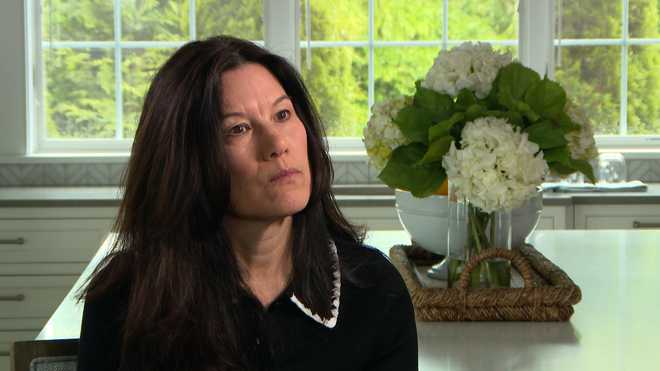
Ann Corcoran, executive director of the National Shattering Silence Coalition, which works to improve the lives of those affected by severe mental illness, said the Ferguson case was far from an isolated one.
Now, a judge can only order someone committed for mental health treatment if there is a likelihood of serious harm to self or others — a standard that Corcoran says allows people with serious mental illness to spiral too deeply into psychosis or other states.
“People with schizophrenia and Bipolar I with psychosis, they can and do live lives of recovery with the right treatment, but what’s happening now in Massachusetts is we are just leaving people out in the community far too long, so that they are ending up in the criminal justice system or on the streets or dying,” Corcoran said.
Corcoran says the Ferguson case shows why the law is desperately needed in Massachusetts. And she said Massachusetts is just one of two states in the country without a similar measure.
“When somebody cannot recognize that they are ill, they deserve the right to be well, and we need to restore them to the capacity to be able to make that decision for themselves,” she said.
But the bill has its critics, including among mental health advocates who agree the current system is broken.
“The system is not doing the job, but the way into that problem isn’t by court-mandating the person who is already suffering,” said Monica Luke, whose son experienced his first psychotic break in 2001 at the age of 20. “If we need judges to make our mental health system actually pay attention to the people who need care, something’s really wrong with that picture, right?”
Sera Davidow has struggled with her own mental health. She has serious reservations about AOT.
“So I think there’s three big reasons. One is I have to ask the question of, is AOT effective? Even if it’s effective, will they implement it ethically? And then three is, do the treatments that they want to force work?” she said.
Davidow had concerns about all three issues, and draws on her own experience with being forced into mental health treatment when she was younger.
“I can tell you the main thing I learned from experiencing force in my 20s was, ‘Don’t talk to anybody. Don’t tell anybody that I’m struggling,’” she said.

Hearst Owned
Sera Davidow, an advocate for better mental health treatment who also has struggled with her own mental health, has serious reservations about the bill that would allow for assisted outpatient treatment, or AOT.
Corcoran says some of the criticism is misguided because the bill would only apply to people she described as “gravely disabled.”
“They’re not going to go and take somebody just because they have depression or anxiety or a suicidal thought and put them on an AOT order. That’s simply not going to happen,” she said. “When somebody loses touch with reality, we need to give them back their rights to make their own decisions, and that is what AOT is going to do. It’s medically lifesaving treatment.”