
Agentic AI
,
Artificial Intelligence & Machine Learning
,
Next-Generation Technologies & Secure Development
Nick Allen of Ksana Health on ARPA-H-Funded Effort to Predict Mental Health Risk
Marianne Kolbasuk McGee (HealthInfoSec) •
June 22, 2026
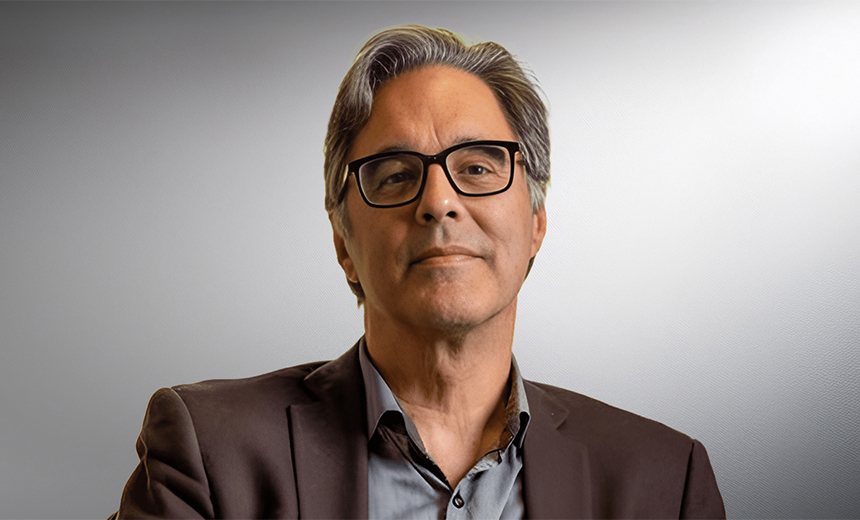
Nick Allen, CEO, Ksana Health
A new artificial intelligence initiative aims to reshape behavioral healthcare by using objective patient data from electronic health records, wearable devices and other sources to predict, prevent and manage mental health and substance use disorders.
See Also: Know Thy Enemy: Threats to Cyber Resilience
The project, backed by a U.S. Department of Health and Human Services Advanced Research Projects Agency for Health contract valued at up to $17.9 million, focuses on developing a “large health behavior model” that analyzes patterns of behavior linked to health outcomes, said Nick Allen, Ph.D., CEO of Ksana Health and principal investigator on the project.
The LHBM, with patients’ informed consent, will combine their data from smartphones, wearables and EHRs to identify behavioral patterns associated with conditions such as depression, anxiety, substance use disorders and suicide risk, Allen said.
The effort seeks to move behavioral healthcare beyond crisis response by enabling earlier detection of risk, continuous monitoring between appointments and more precise treatment recommendations, he said. Other partner organizations participating in the project spearheaded by Ksana Health include Providence Healthcare and MedStar Healthcare.
The two-phase project aims to build a dataset of approximately 38,000 people.
“The ultimate goal of this work is to really usher in a new era of behavioral healthcare, because at the moment, the vast majority of our data in behavioral healthcare is from self-report questionnaires,” Allen said.
“Behavioral healthcare has to move into that phase where we have objective data along with the self-report, patient-reported data to provide the full picture of what’s happening with someone.”
In this video interview with ISMG, Allen also discussed:
How large health behavioral models differ from traditional large language models;
Ways wearable, smartphone and health record data can provide insights to improve early intervention of potential mental health crises;
Plans to build a consent-based dataset supporting behavioral health prediction at scale.
Allen is a professor of clinical psychology at the University of Oregon and co-founder and CEO of Ksana Health. His work uses mobile and wearable sensing to detect and prevent serious mental health outcomes in adolescents, and adults, including depression and suicide. He currently leads the ARPA-H–funded effort to build a new large health behavior model, a foundation model for human behavior aimed at transforming how mental healthcare is delivered.