
SALT LAKE CITY (KUTV) — A Utah-made film is prompting conversations about mental health — and the role friends can play in recognizing when someone is struggling.
Last Seven Days tells the story of a military veteran documenting what he believes may be the final week of his life, capturing the highs and lows he experiences along the way.
The film explores themes of struggle and hope, with its creators emphasizing the importance of checking in on friends who may be facing mental health challenges.
MORE | ARC Salt Lake:
Last Seven Days tells the story of a military veteran documenting what he believes may be the final week of his life, capturing the highs and lows he experiences along the way. (KUTV)
ARC Salt Lake spoke with director Rickey Jewkes and lead actor Paul Anthony Sonnier Jr. about why they chose to tell this story in Utah, the decision to portray raw and honest experiences on screen, and what they hope viewers take away from the film.
“It’s about a military veteran who is documenting what he understands as the last week of his life,” Jewkes said. “It covers his highs and lows throughout the week.”
He said the idea of the movie came from a fear that one day he would find similar footage documenting a friend’s final thoughts before going through with self-harm.
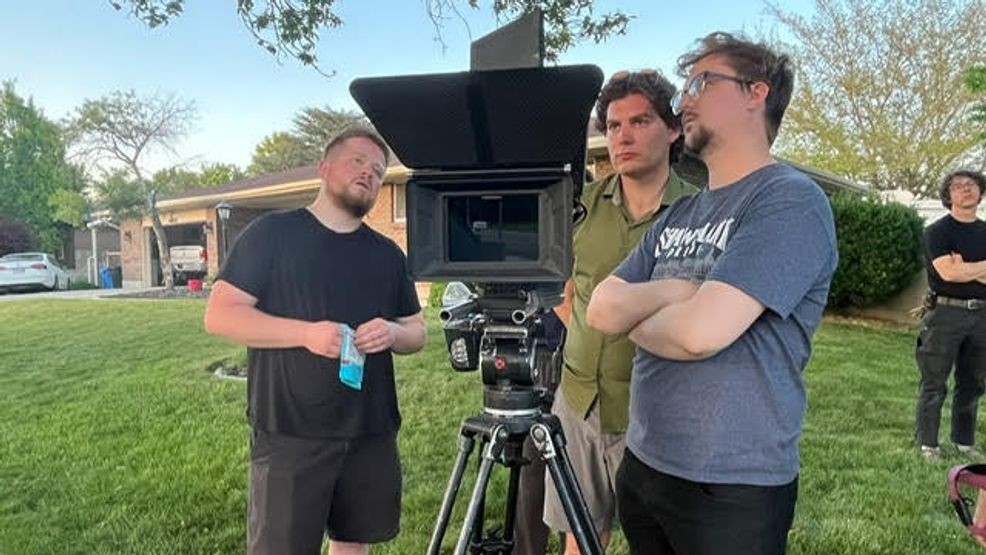
Last Seven Days tells the story of a military veteran documenting what he believes may be the final week of his life, capturing the highs and lows he experiences along the way. (Photo credit Midtown Productions)
“There’s a crisis of mental health here in Utah, so we wanted to do a heavy-hitting film that really addressed that,” Jewkes said.
Jewkes took the film to Sonnier, who said he loved the story and wanted to be involved.
“My dad’s a (veteran) and I have a lot of friends who are military vets, so I have stories – I’ve heard stories of what some of them have gone through,” Sonnier said. “To be able to portray that in this film… it’s very heavy, it’s very hard-hitting.”
“Ultimately, it’s a message of hope… it’s really necessary to see what the warning signs might be in someone that you know,” Jewkes said. “It covers a lot of aspects of daily living, of our purpose of life.”
Jewkes said the project was his first feature film.
“Because we had limited resources, we funded it on our own. It’s been a grassroots effort from the beginning,” he said. “We didn’t have the luxury of multiple filming days, so we had to cram a 106-minute movie into seven filming days.”
The movie has not yet been released.
They planned to release their first trailer Monday to help bring awareness, increase their online reach and show movie distributors the appetite for the film.
“We’re turning to the public for help getting this out there,” Jewkes said. “We’re trying to build a social media following so that can use that when we’re pitching to a distributor.”
Anyone interested in showing support for the film can visit Jewkes pages on Instagram, TikTok, Facebook and YouTube.
Suicide Prevention Resources
Utah Crisis Line, in association with the National Suicide Prevention Lifeline: 1-800-273-8255
Call 24/7 to speak to a licensed crisis counselor if you or a loved one are having thoughts of suicide, are experiencing an emotional or mental health crisis, or are feeling overwhelmed and need support.For callers with a non-Utah area code, dial the local number: 801-587-3000.
Utah Warm Line: 833-SPEAKUT (833-773-2588 toll free) / 801-587-1055 (local)
Open seven days a week, from 8 a.m. to 11 p.m. Call to speak with a certified peer support specialist.This service is for people who are not in crisis, but seeking emotional support, engagement, or encouragement. Certified peer specialists offer support and empower callers to resolve problems by fostering a sense of hope, dignity, and self-respect.Resource for people who are feeling stressed, overwhelmed, isolated, or like they just need someone to talk to.
Mobile Crisis Outreach Teams (MCOT)
Triaged and dispatched through the Utah Statewide Crisis Line by calling 1-800-273-8255, teams are available for dispatch in Salt Lake, Davis, Weber, and Utah counties, and the southwest region of Utah, including St. George and surrounding cities. Additional rural teams were created this past legislative session through the passage of House Bill 32.Due to COVID-19, crisis counselors on the CrisisLine will ask health screening questions to determine if an in-person or telehealth response is most beneficial. MCOT staff may wear the CDC’s recommended universal precautions to include goggles, masks, gloves, and gowns to ensure the safety and wellbeing of our community and health care workforce.
SafeUT (Crisis Chat and School Safety Tip app)
The SafeUT Crisis Chat and Tip Line is a statewide service that provides real-time crisis intervention to youth (public K-12 and higher education) through live chat and a confidential tip program – right from your smartphone.)Licensed crisis counselors are available 24/7 to respond to all incoming chats, tips, and calls by providing supportive or crisis counseling, suicide prevention, and referral services.Support is also available to parents and educators of students in public K-12 and higher education.Free and available for download from the Google Play Store and the App Store.
SafeUTNG (Crisis Chat and Safety Tip app for Utah’s Army and Air National Guard service members, family members, and personnel)
As an extension of SafeUT, the SafeUTNG app provides a safe and confidential platform to communicate with a licensed crisis counselor 24/7. Users can text, submit a tip, or call to receive support.The app is operated and managed by the University of Utah Neuropsychiatric Institute (UNI) in partnership with the Utah National Guard.Licensed mental health professionals can assist with a variety of issues including: emotional crisis, grief and loss, drug and alcohol issues, mental health issues, self-harm, suicide prevention, and safety concerns.Free and available for download from the Google Play Store and the App Store
Live On – Utah’s statewide suicide prevention and awareness campaign at liveonutah.org
A consolidated location for support, resources, giving/receiving help, and events to stay informed and involved.Focused on a “Mantra of Hope: Live On is a statewide effort to prevent suicide by promoting education, providing resources, and changing our culture around suicide and mental health. Together we can get through, reach out, lift up, look ahead, and Live On.”Follow them on all social media platforms @liveonutah
988: 3-digit nationwide number for the National Suicide Prevention Lifeline
This 3-digit number allows for easier access to mental health services for people experiencing challenges and crises.
_____