
It has been nearly six years since the pandemic-induced telehealth boom drew attention away from traditional brick-and-mortar behavioral health providers. But residential care is far from being replaced despite the growth of digital and outpatient models.
Even with a surge in partial hospitalization programs (PHPs) and intensive outpatient programs (IOPs) in recent years, industry insiders say there is still significant opportunity in the residential space for models that can be scaled quickly.
“Obviously, PHP and IOP are great service offerings for that very reason; they’re highly scalable, and there’s a ton of people out there who need them,” Kyle Veatch, a principal at New Heritage Capital, said during Behavioral Health Business’ INVEST 2025 conference. “But the flip side to being highly scalable means typically that those kinds of businesses are getting more competitive. People entering into the marketplace offering similar services are finding it is harder to differentiate.”
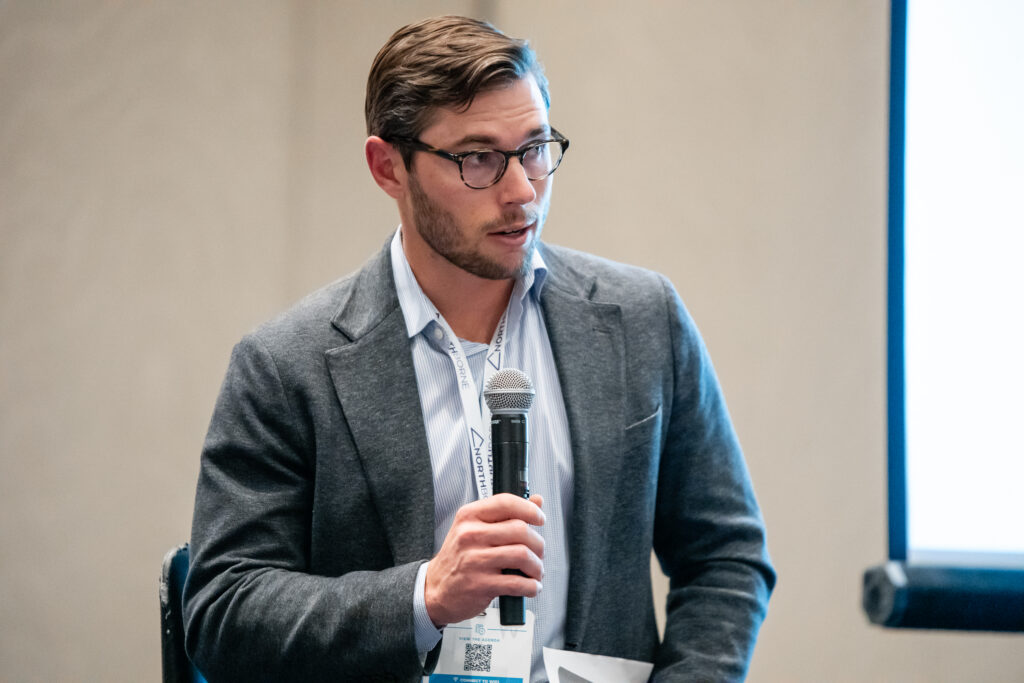 Behavioral Health BusinessKyle Veatch; Principal, New Heritage Capital at INVEST 2025
New Heritage Capital private equity firm that specializes in founder- and entrepreneur-owned companies. It is also an investor in the residential mental health provider AMFM Health.
At AMFM, 80% of the business is residential, Veatch explained. Its strategy for scale has been to purchase smaller facilities for around a couple of hundred dollars, renovate them, add between six and eight beds, and train staff. Because of the smaller scale, it’s typically easier to find staff and it only takes a couple of months to train them to open. A smaller square footage area also means the entire facility is utilized rather quickly, he said. This method has allowed AMFM to open roughly 20 new facilities over the last few years.
The metrics New Heritage Capital prioritizes when evaluating whether a residential mental health facility is ready for investment include facility utilization rates, average daily rates, staffing efficiency and payer mix, Veatch shared.
Still, the biggest driver of a return on investment (ROI) in this sector depends heavily on the state or region. Often, reimbursement and payer dynamics are state-specific and rates shift depending on revenue per bed and achievable margins. States also have very specific licensure and regulatory environments that play into the cost and speed at which a new residential or inpatient facility can open.
Different geographies also come with varying workforce availability, labor costs, demand for services and unique local competition. Local policies and public funding also play a part. Essentially, even following a cookie-cutter approach opening identical facilities in two different locations – even within the same state – brings its own challenges and benefits.
Because of that, forming local partnerships with schools, nonprofits and other resources is critical to success at brick-and-mortar facilities, both Dr. Heather Jones, the chief clinical officer at Rogers Behavioral Health, and Matthew Zubiller, CEO of Your Behavioral Health, explained.
“With some of the challenges that are happening in the industry, we see more support actually locally and not federally,” Jones said during INVEST 2025. “We actually were able to partner with local legislators in the state of Wisconsin and received a grant to open in western Wisconsin, as most other organizations were moving out, we’re moving in.”
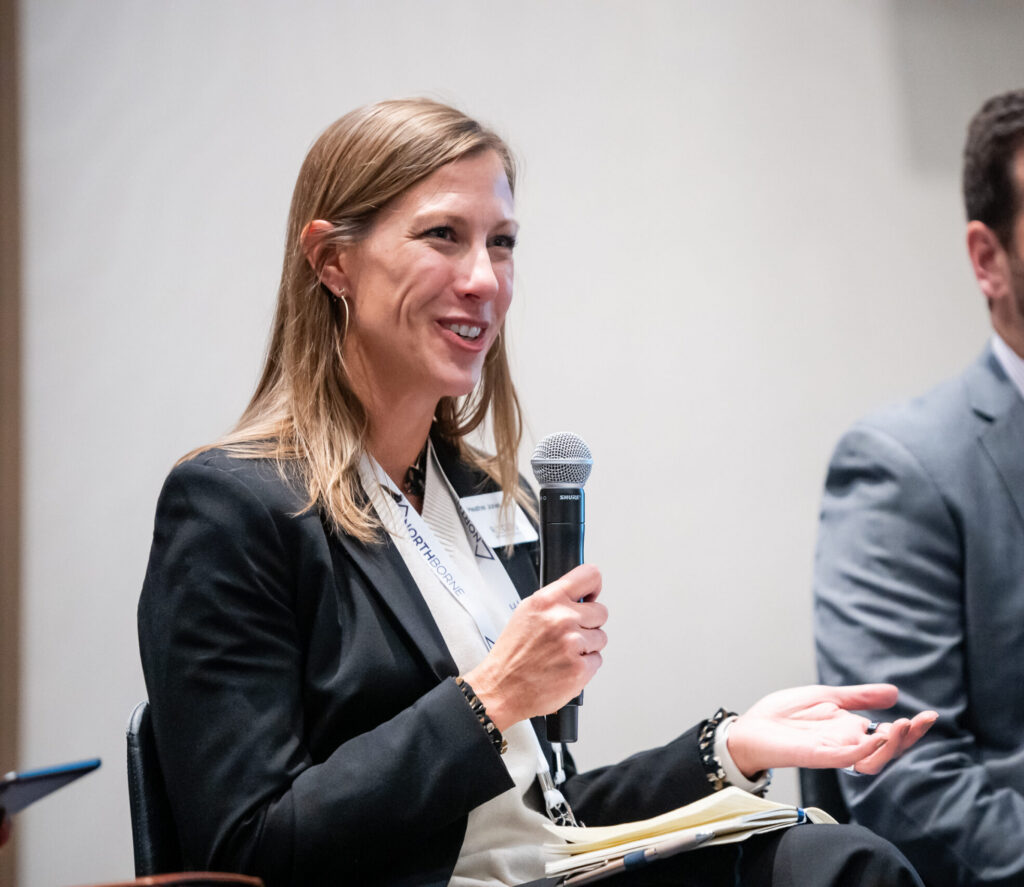 Behavioral Health BusinessDr. Heather Jones; Chief Clinical Officer, Rogers Behavioral Health at INVEST 2025
Rogers Behavioral Health is one of the largest behavioral health nonprofits in the U.S. with locations in 10 states.
“We work very closely with our schools in our community,” Zubiller said. “We engage and help our teams invest in them, and get the appropriate experience. We’ve spent a lot more time investing in that.”
Your Behavioral Health is a Southern California-based provider of mental health and addiction treatment. The company also has a family of partner brands, including Clear Behavioral Health, Neuro Wellness Spa and New Life House, to name a few.
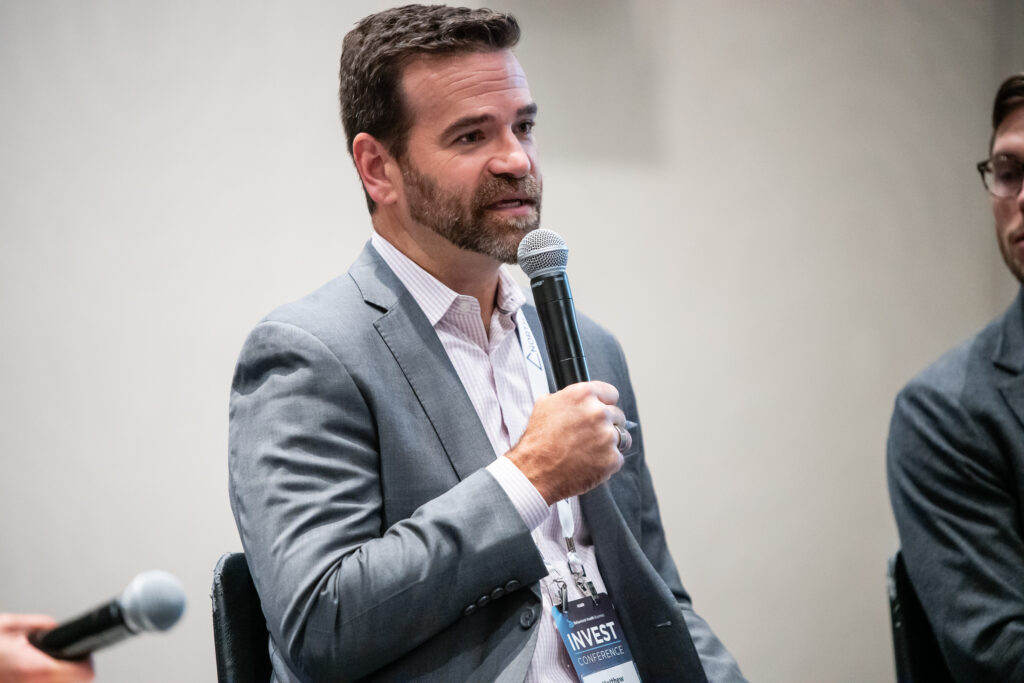 Behavioral Health BusinessMatthew Zubiller; CEO, Your Behavioral Health, at INVEST 2025
Beyond locations with favorable regulatory and reimbursement environments, which account for much of the ROI that residential and inpatient facilities generate, opportunity is ripe to invest in adolescent services, integrated care models and areas of efficiency, panelists agreed.
“I think demonstrating great quality, clinical quality at scale helps with finding success,” Veatch said. “What we’re seeing is the ability to demonstrate value and also offer robust adolescent services, which is helping us get to where we can develop these very nice facilities where our clients or patients want to stay.”
Investing in systems and staff to support the continuum of care at a facility and beyond a patient’s journey is part of the success strategy at Roger’s Behavioral Health.
“The worst thing that you can have is a patient who’s received treatment at a higher level of care and then goes home to nothing,” Jones said. “You have to get that connection for them, whether it’s you or the full continuum of care. People need to be connected so that they can continue to self-help.”
Roger’s has its utilization and review team to support patient discharge planning. There is also an advisory board for care, which emphasizes the continuation of care connections, Jones said. That type of care integration helps make patient success more likely, particularly for adolescents and those receiving addiction treatment services.
Having a physical treatment center footprint also comes with the responsibility to position systems, resources, and assets to be creatively used when needed, which is important both for supporting diverse patient populations and the communities the facilities exist within.
Going beyond the services offered – not just the residential bed – and leveraging all acuity levels of care and accompanying resources is better for patient success, Zubiller added. For residential treatment to truly be effective, it must be deeply connected to external systems of support.
“It’s about being able to look at how do we use a combination of the swath of services here, specific assets for our patients?” Zubiller said. “When you’re looking at residential treatment, being able to have expanded use of systems outside for success is one of the things that we have done.”