
Food and nutrition are linked to mental health in a variety of ways. Research increasingly shows that the type and quality of the food we consume influence not only our physical health, but also our emotional well-being and resilience. As William Compton, M.D., writes in “Food, Nutrition, and Mental Health,” what we eat shapes “our health—our physical health, our emotional or psychological health, and our strength, resilience, and well-being,” (Compton, 2025).
Vitamins and minerals are essential for a number of diverse bodily functions, and deficiencies in several vitamins, such as B12 and Vitamin C, have been associated with poor mental health, Compton notes. Macronutrients—carbohydrates, proteins, and fats—are also essential for optimal physical and mental health. Fiber, found in foods such as whole grains, legumes, fruits, and vegetables, is also important for gut health and supporting mental well-being.
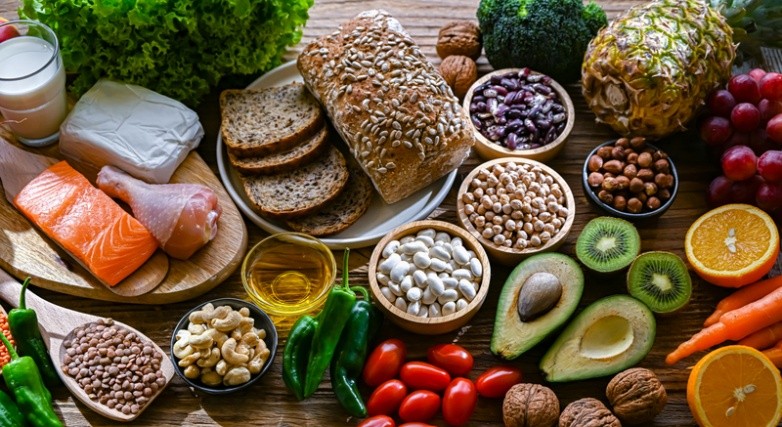
The ways eating patterns and diet affect mental health are “complex and range from the constellation of our gut microbiome to the social aspects of cooking together and eating together,” Compton writes.
Numerous studies document associations between what we eat and mental health. For example, one recent review study found a strong association between use of the Mediterranean Diet (see sidebar) and reduced depression. (Eliby, et al, 2023) Less is known about the specific biological processes and the underlying mechanisms involved. Processes that may play a role include reduced inflammation, lowered cortisol stress response, and improved blood flow to the brain.
The Gut Microbiome
The gut microbiome is highly interconnected with many aspects of health. Disruptions can cause far-reaching effects on overall well-being. Research has linked the composition and quantity of gut microbiota to several mental disorders, including anxiety, depression, bipolar disorder, autism and schizophrenia (Xiong, et al, 2023).

Maintaining a healthy gut microbiome is a continuous, lifelong process. Some foods can boost beneficial gut bacteria and suppress harmful ones, offering protective effects against mental disorders (Xiong, et al, 2023). The Mediterranean Diet has been shown to be an effective way to support a diverse and balanced gut microbiota and to reduce inflammation (Malaspina, 2026). Chronic illnesses and adverse social determinants of health (such as poverty, unstable housing), however, can contribute to an imbalanced, unhealthy gut microbiome, which in turn can worsen chronic illness and mental health (Compton, 2025).
More research is needed to better understand the gut-brain connection, and research on potential microbiome-based therapies for mental illnesses is just beginning (Compton, 2025).
The Mediterranean Diet
The Mediterranean Diet has been widely studied in relation to mental health and gut health.
Emphasizes fresh fruits and vegetables, whole grains, legumes, nuts, seeds, and healthy fats such as olive oil.
Includes limited red and processed meats, refined sugars, and eliminates ultra-processed foods.
Encourages fermented foods that increase gut diversity and reduce inflammation (such as yogurt, kefir, kimchi, sauerkraut).
Is rich in fiber, unsaturated fatty acids and polyphenols (micronutrients found in fruits and vegetables).
(Malaspina, 2026)
Starting and sustaining a healthy diet can be challenging, and individual needs and circumstances differ. Compton and coauthors suggest a registered dietitian can be helpful in establishing a healthy routine: “Seeking support from a registered dietitian is an effective strategy for maximizing health benefits associated with optimal dietary intake. Collaborating with a dietitian helps individuals build sustainable eating habits tailored to their unique needs and challenges.”
In addition to what we eat, how we eat is also important. For example, mindful eating practices support healthy weight management and reduce the risk of diet-related health conditions. Mindful eating involves paying attention to food choices and the experience of eating, and awareness of your body’s signals of hunger and satisfaction.
Other aspects of food that can impact mental health include cooking, gardening, and growing food. Cooking, cooking together and eating together can benefit both physical and mental health. They can provide a focus and opportunity for important, beneficial social interaction and connection. Gardening, particularly when done together, can also provide physical and mental health benefits.
Compton and colleagues also emphasize that, along with dietary recommendations and nutrition counseling, regular physical activity is also an important part of a healthy lifestyle, supporting mental health and overall well-being.