
More than a dozen companies gathered last Wednesday at the new HuBayta by OpenValley coworking space in northern Israel to present practical mental health technology solutions to community clinicians, psychologists and resilience workers.
The event brought together health organizations, local authority leaders, nonprofits and potential funders, all focused on how these tools could help support residents coping with ongoing trauma and stress.
4 View gallery

The program was a collaborative initiative led by Teva Support the Soul, Moked Arava, Clear Sky and Google.org, aimed at connecting innovative technologies with those working on the front lines of community mental health care.
“People are now coming back to the north—the soldiers, the reservists and the families that were evacuated from their homes,” said Yarden Abarbanel, who leads Teva’s Support the Soul program for treatment of trauma. “This is a time of recovery for the souls of the people who live here. But there is a big gap in the [mental health care] system, and we think you can narrow it with technology.”
Abarbanel explained that most “Traumatech,” or mental health technology, companies are located in the center of the country. For people working in the North to learn about these tools and build collaborations, they need opportunities to meet in person. That was the purpose of the event, called WellTech North.
Most of the day was devoted to networking, including a series of one-on-one meetings between companies and practitioners or clinics, arranged in advance. The technologies in the room addressed a wide range of needs, from making treatment processes easier and more efficient to improving personalization and even supporting therapists who may be experiencing burnout or secondary trauma.
At the same time, the event was deliberately hosted at HuBayta so companies could see the new coworking space firsthand. Abarbanel said the site symbolizes the North’s recovery and resilience, and hopes it will encourage companies to consider hiring locally or even establishing a small hub in the area.
4 View gallery
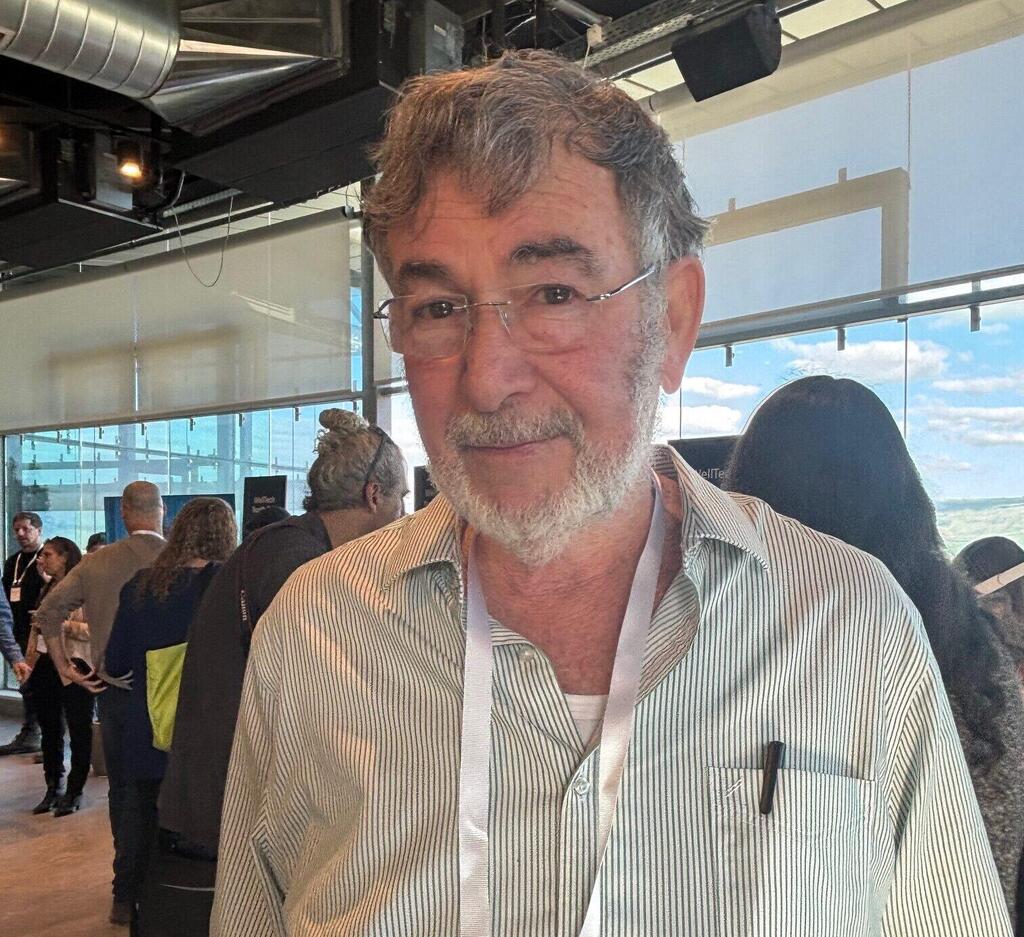
Yoram Schleyer
(Photo: Maayan Hoffman/The Media Line)
Yoram Schleyer, who is leading a soon-to-open mental health treatment center in Metula, attended the event. He said that as the center prepares to open, the team is exploring which technologies might be suitable for enhancing the experience for residents.
Much of Metula was damaged during the war, and nearly all residents were evacuated. Many eventually dispersed throughout the country and lost close daily ties to the community. Returning home has brought significant anxiety and a range of additional challenges.
Schleyer is a former resident of Metula who had left before the war. When fighting began, the mayor tasked him with helping displaced residents find hotels in Tiberias. From that experience, local leaders concluded that a new mental health center was essential. Schleyer said the facility is expected to open within the next few months. “The idea is to use a lot of technology, so this event really helps allow that to happen,” he said.
Another participant was Michal Sarig-Kaduri, head of government relations for Wix.com and manager of the Israel Growth Forum.
4 View gallery
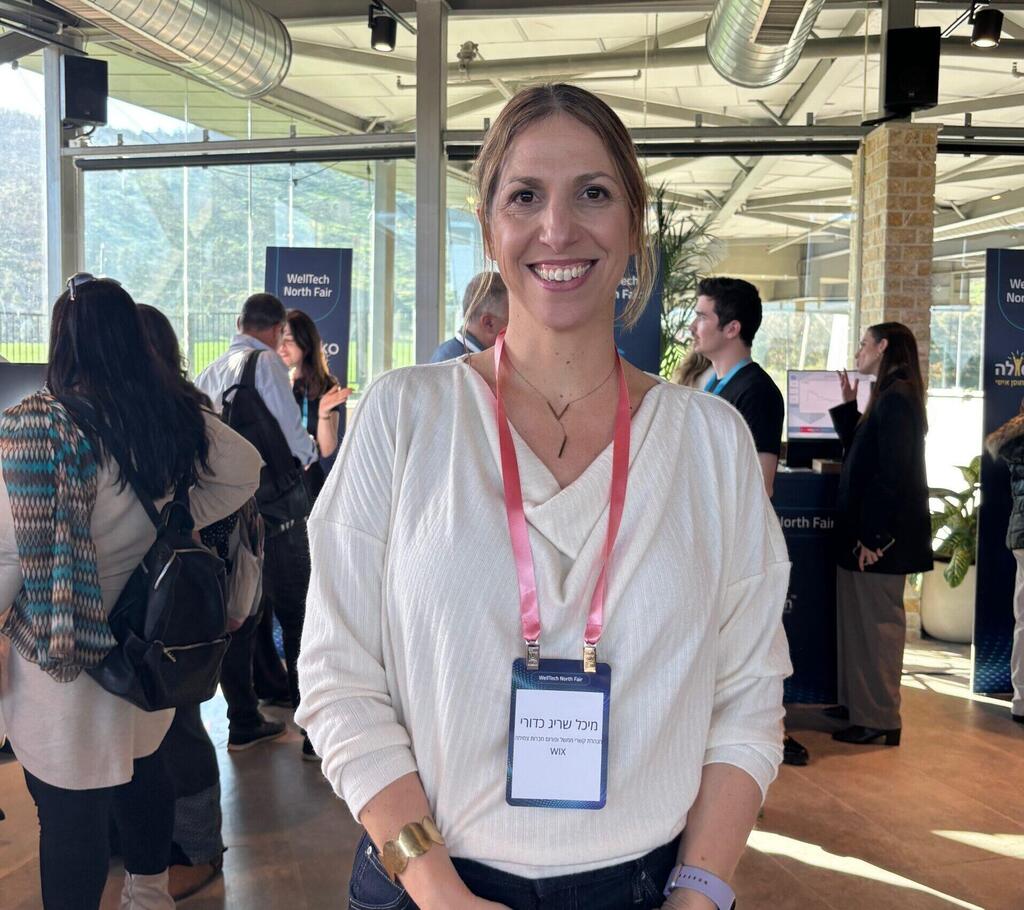
Michal Sarig-Kaduri
(Photo: Maayan Hoffman/The Media Line)
Sarig-Kaduri explained that since the start of the war, Wix has been working with more than 200 Israeli tech companies that have volunteered their time, energy and technology to support humanitarian efforts. In the early stages, the focus was on emergency response, but attention has since shifted toward growth and resilience.
“We’ve been working for the past three months with the North, and we realized that the North is not an early adopter when it comes to technology,” Sarig-Kaduri said. “The North lacks technology disruption and resilience not only for children but also for adults.”
She added that human resources are limited nationwide, especially in the periphery. The goal, she said, is to take Israeli-developed technologies that are ready to use and have already undergone proof of concept, and identify where they can best meet the needs of the North as it rebuilds and moves forward after more than two years of upheaval.
Omer Hadar of Brainzy is one of the newer founders hoping to make a difference. A former paratrooper and successful startup entrepreneur, he started Brainzy after Oct. 7. “There’s a bit of a taboo around PTSD (Post-Traumatic Stress Disorder) in the IDF still,” he said, adding that he saw many friends struggling with the condition.
4 View gallery
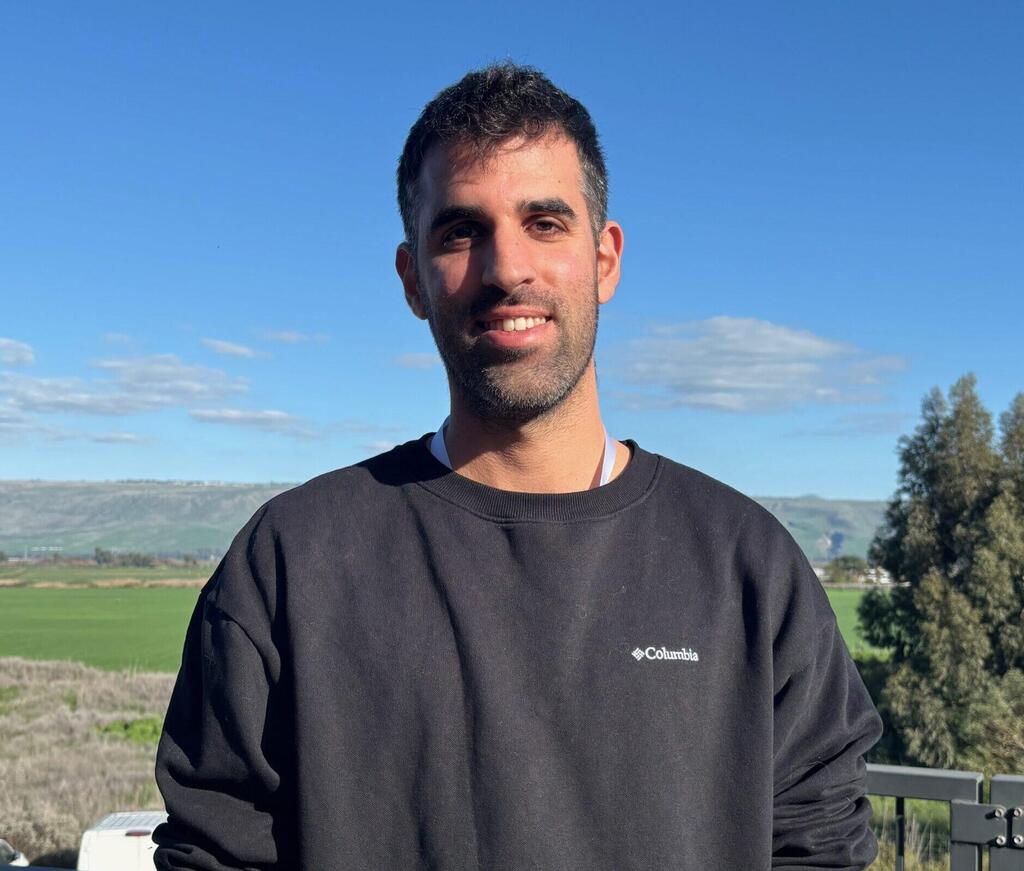
Omer Hadar
(Photo: Maayan Hoffman/The Media Line)
Brainzy is a neurofeedback tool designed for people with PTSD symptoms, though it can also be effective for individuals dealing with sleep disorders or anxiety. The system uses brainwave data to understand a person’s mental state and help enhance calm and other related measures, such as focus. It operates through a gaming platform that can be used at home, either independently or with a therapist. For now, Hadar has been visiting patients and using the kit with them at home.
“They don’t have to go outside to get treatment,” he explained. “It’s good, because in some cases these patients have a hard time just taking a walk outside.”
At present, the platform includes three different games. One involves floating a balloon upward, with the balloon rising and inflating as the user becomes calmer or more focused. Another feature is a puffer fish that must reach the ocean’s surface, inflating as calm increases. A third game involves making pizza and is time-based. There are also two modes. One is a balance mode, which encourages users to remain neither too calm nor too tense, similar to mindfulness. The other focuses purely on calm, with the balloon rising higher as the user relaxes.
Hadar built the entire system himself and currently operates as a one-person company. While his long-term vision is to take the company abroad, he built his last startup overseas and later returned to Israel. The high level of trauma in the country has led him to focus his efforts on the Jewish state for now.
According to the state comptroller, as many as one-third of Israelis are experiencing PTSD or similar symptoms.
Hadar said the marketplace has room for a wide range of technological solutions, since therapy and treatment are not one-size-fits-all.
“If one thing didn’t work for you, just keep on trying and see what works for you,” he advised.
Abarbanel said there was a real buzz in the room, with constant interaction throughout the day.
“There are great people here,” she said as she looked around the room. “I think that founders who decide to go to this area, which is so difficult with so many barriers and challenges, have to be amazing people who care about society and people. Now, they only need the drive and support to succeed.”
The story is written by Maayan Hoffman and reprinted with permission from The Media Line.