
If you’re reading this while slumped in a chair (or still in bed), exhausted despite sleeping for over nine hours, and contemplating whether hibernation is a viable life choice, you’re clearly struggling to get through winter.
Depending on when you started feeling low, you might be wondering: Could this be seasonal affective disorder (SAD)?
As per the National Institute of Mental Health, SAD is a subtype of major depressive disorder affecting millions of Americans. Women are diagnosed more frequently than men, and SAD is most common in people aged 20-30, though it can appear at any age.
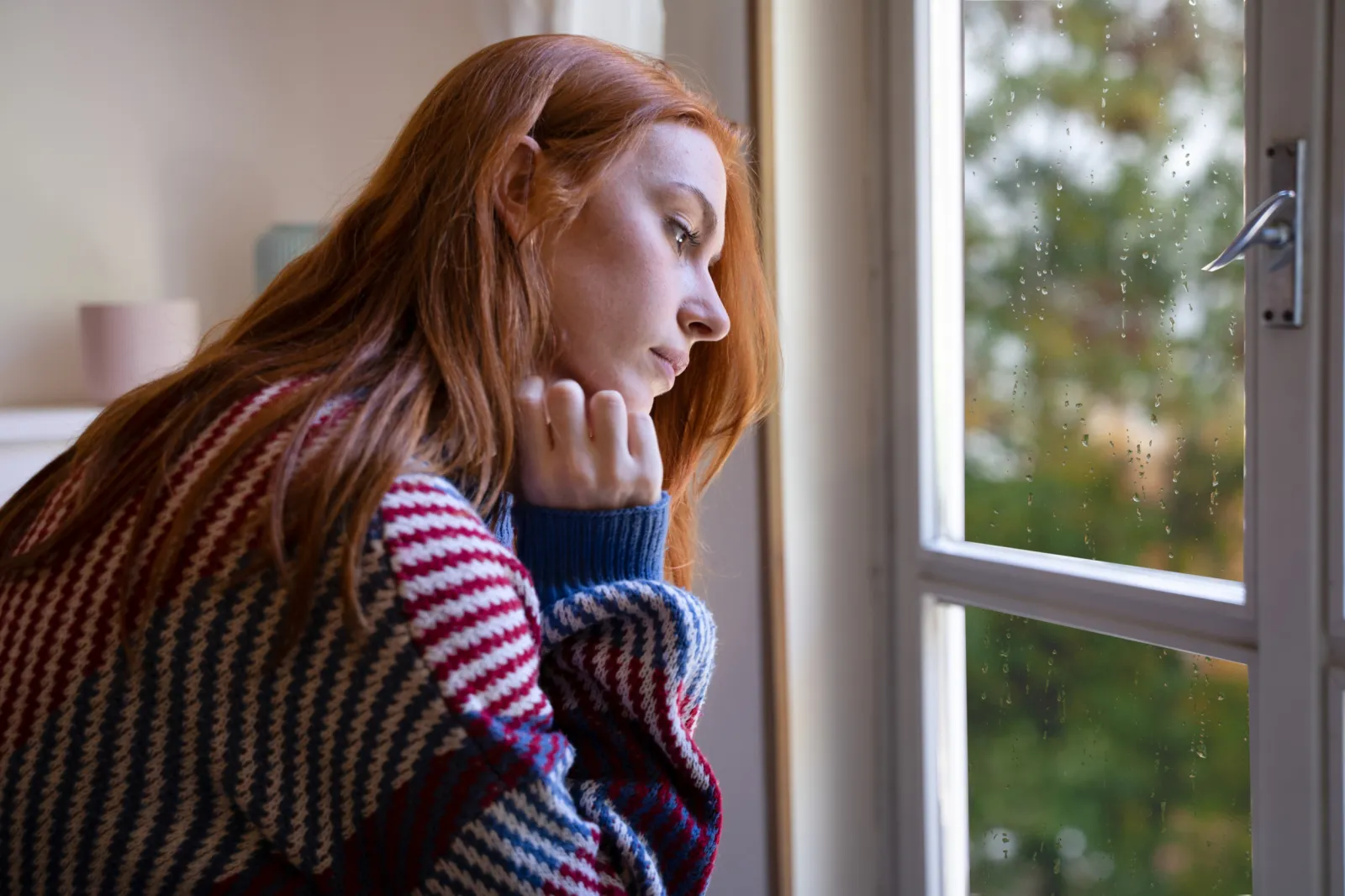
When you’re feeling the weight of shorter, darker days, it’s easy to convince yourself that you can “power through until spring,” but a smarter strategy is to watch for the unique symptoms of SAD and learn how to manage them—because the one bright spot of this gloomy condition is that it can be treated.
Alma explores the symptoms, causes, and strategies for managing SAD.
Signs of SAD
One of the reasons that SAD is hard to recognize is that its symptoms overlap with those of major depression. Both SAD and depression are associated with:
Persistent sadnessLoss of interest in activitiesDifficulty concentratingFeelings of hopelessness
That said, SAD has some particularly prominent features. If you have SAD, you’re even more likely to experience:
Intense carbohydrate cravingsExcessive sleeping (hypersomnia)Weight gainLethargySocial withdrawal
It’s the seasonal pattern combined with these specific “hibernationlike” features above that distinguish SAD from other forms of depression.
 What Causes SAD?Lack of sunlight
Research shows that sunlight directly affects how much serotonin your brain produces, so when daylight decreases, your body’s internal systems go haywire.
The hypothalamus—which controls your circadian rhythms—gets disrupted by lack of sunlight. This leads to overproduction of melatonin, making you feel like you could sleep through anything, plus reduced serotonin levels, the chemical that helps regulate your mood.
Doing less
If you do have SAD, you’re probably missing out on exercise and getting out and about. When it’s dark at 4:30 p.m. and freezing outside, those things don’t just get harder to do; they may become impossible.
Researchers are coming to realize that missing your favorite activities may be a key contributor to SAD, not just a symptom of it.
This matters because it points toward solutions. Cognitive behavioral therapy for SAD specifically focuses on helping you discover new activities that provide enjoyment and purpose during darker months.
The holidays
From Thanksgiving through Valentine’s Day, you may be navigating societal expectations, family dynamics, and cultural pressure to be “merry and bright” when you feel anything but. It’s no surprise that not everyone feels cheerful during the holidays.
If your family is distant—either geographically or emotionally—or if you’re navigating family rejection, perhaps because of your identity, the holiday season can amplify everything SAD already makes you feel: the loneliness, the sense of being on the outside looking in, the grief.
Speaking of grief: If you’ve lost someone important, winter holidays can turn that loss into a recurring wound, and while grief and SAD can occur simultaneously and compound each other, it’s important to understand they’re clinically distinct conditions.
SAD’s diagnostic criteria note that if your winter depression is primarily tied to the anniversary of losing someone during that season, that’s grief rather than SAD; although both can certainly coexist and intensify each other.
Does Light Therapy Help With SAD?
Multiple studies have analyzed what treatments work best for SAD, and research supports bright light therapy as a first-line, effective treatment.
Essentially, bright light therapy mimics the missing sunlight and helps your brain produce the right balance of mood-regulating and sleep-regulating chemicals, alleviating SAD symptoms in many consistent users.
Recent research is illuminating the fact that bright light therapy’s effectiveness extends beyond SAD, making it a valuable option for nonseasonal depressive symptoms.
Seven Ways To Cope With SAD
Here are seven strategies that can help you feel better:
1. Start with light therapy: Use a 10,000 lux white light box for 30 minutes daily, before 10 a.m., positioned about a foot away. Next year, set a reminder to begin light therapy in early fall, before symptoms show up.
2. Move your body: Exercise and outdoor time during daylight hours both appear beneficial. A free online workout series or morning walks can get you started.
3. Eat strategically: Focus on proteins and high-fiber foods that boost serotonin.
4. Check vitamin D: Get your levels tested and, if deficient, supplement with a doctor-recommended dose.
5. Stay connected: Maintain social activities even when you want to cancel everything.
6. Consider therapy: Cognitive behavioral therapy can help identify meaningful activities and develop coping strategies.
7. Use medication if needed: Antidepressants, particularly bupropion (Wellbutrin) and SSRIs, can be effective when other interventions aren’t enough.
When to Seek Professional Help
To be formally diagnosed with SAD, symptoms must coincide with fall/winter for at least two consecutive years, with full remission during other seasons.
But here’s what matters more than diagnostic criteria: If you’re struggling, you deserve support now, not after you’ve endured another year to “earn” a diagnosis.
If SAD-like symptoms persist beyond two weeks or impair your daily life, it’s important to talk to your doctor or a therapist.
This story was produced by Alma and reviewed and distributed by Stacker.