
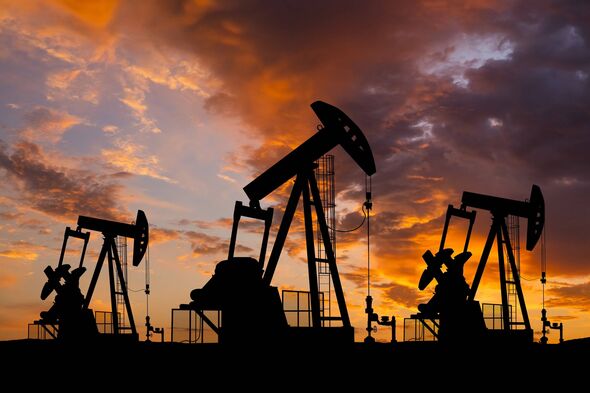
Russia is also facing plummeting global oil prices and a crackdown on its ‘shadow fleet’ of tankers (Image: Getty)
The number of Russians using antidepressants hit an all-time high in 2025, coinciding with the fourth anniversary of Vladimir Putin’s invasion of Ukraine.
A staggering 22.3 million packages of drugs like Prozac, totaling around $272,809,000 and nearly twice the quantity purchased in 2022, were sold last year, according to data from Russian analytics firm DSM. Pharmacies in Russia are seeing increased sales of sertraline, fluoxetine, and escitalopram—known by the brand names Zoloft, Prozac, and Cipralex.
Several factors have contributed to the decline in Russia’s mental health, notably the “culture of fear” instilled by the Kremlin, says Russia expert Stanislav Stanskikh. Over 20,000 Russians were arrested for anti-war activities between 2022 and 2025.
While this particular type of antidepressant first entered Western markets almost thirty years ago and quickly became a regular aspect of daily life for millions of Americans – Russia has resisted, as many former communist countries, with a culture that denounces mental health help, under normal conditions.
In the 1990s, after the collapse of the Soviet Union and economic fails, very similarly, there were reports of depression and mental health issues across the country. Newspapers started covering the prevalence of depression; however, a significant number of Russians continued to distrust psychiatrists and remained skeptical about Western antidepressant medications.
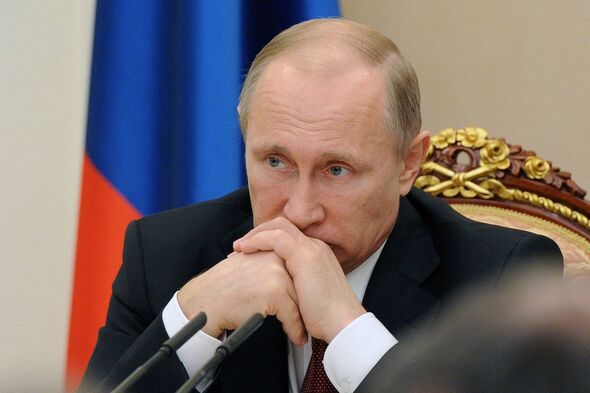
In Russia, mental health is heavily stigmatized, often viewed as a personal weakness (Image: Getty)
The escalating cost-of-living crisis has also fueled anxiety, as Putin’s war efforts take precedence over citizens’ welfare, pensions, and education.
A Gallup poll revealed that more than a third of Russians believe their economy is deteriorating – a 10% increase from 2022. Nearly half of those polled said it was a bad time to find employment, and just under a third reported struggling to afford food for themselves and their families. Everyday essentials like potatoes have become unaffordable due to a 167% price hike following failed harvests.
Russia’s economy continues to reel from Western sanctions imposed after the Ukraine invasion, with its oil and gas revenue dropping to a five-year low of 393.3 billion rubles ($514 billion) in January.
The disclosure of last year’s dramatic surge in antidepressant sales emerges alongside reports of shortages affecting Prozac and Zoloft, among the most widely prescribed medications, noted in recent years. Sales figures climbed from 8.4 million units of medication in 2019 to 13 million in 2022, then 15.3 million in 2023, reaching 17.9 million in 2024.
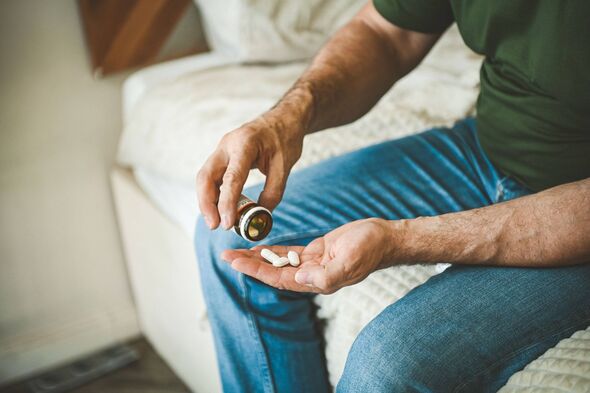
While Russian propaganda dunks on western culture, they’re now importing Western meds (Image: Getty)
Russia’s economy is confronting a severe crisis driven by collapsing global oil prices and intensified pressure on its “shadow fleet” of tankers, cutting energy revenues in half compared to the previous year. The Kremlin’s 2026 budget projected that Urals crude would trade at approximately $60 (£44) per barrel, yet prices have fallen to around $40 (£29).
The revenue shortfall has been exacerbated by secondary sanctions that compel India, Russia’s largest remaining customer, to reduce imports by nearly half to preserve access to Western markets.
To address this funding gap and sustain its military operations, the Russian government has shifted the financial burden to its population by raising VAT to 22%, effective January 1, and by imposing a 16% interest rate that has effectively halted private lending.