
From the nearly 5,000 Marion County residents surveyed, the number one priority is mental health and wellbeing.
INDIANAPOLIS — The Marion County Public Health Department released its 2025 Community Assessment.
MCPHD director and chief medical officer Dr. Virginia A. Caine said it’s all to improve the community’s quality of life.
“It’s really critical that we have resources in order to do the work that we do from a prevention standpoint. Also, it’s gonna save an enormous amount of dollars,” Caine said.
From the nearly 5,000 Marion County residents surveyed, the number one priority is mental health and wellbeing.
The study found one in four Marion County residents are diagnosed with depression, 19% suffer with anxiety, and suicide rates increased 10% from 2018 to 2024.


The second key finding is access to health care. MCPHD found one in five Marion County residents didn’t see a health care provider in the past year due to costs. One in three people in the county say they have a medical bill they can’t pay in full. Nearly one in five also say they didn’t access their prescription medication or took less than directed because of the cost of medicine.
“We need their input, so it’s not we can’t be maternalistic and telling them what they need, we need to ask them what do you need, what kind of resources, and what would make you more receptible to improving the quality of your life,” Caine said.
MCPHD epidemiologist administrator Dr. Elizabeth Bowman believes the economy and inflation play a large part.
“What it really tells us is that there’s unequal benefit to improvements in investment dollars around the county, and there’s more we need to do collectively as a system to benefit all of our neighbors and residents,” she said.


Also in the top five key findings were trauma and injury prevention. The assessment found 25% of residents say gun violence impacted their friends, family or neighborhood. The assessment shows the firearm homicide rate in Marion County from 2018 to 2023 was three times higher than the Indiana and U.S. average.
“I think it’s things that people have understood are problematic for a very long time, mental health being a challenge isn’t a new thing or access to health care, but, it’s good that we are all on the same page about the ways we need to move forward to improve our community as a whole,” Bowman said.
MCPHD says they found housing as the most shocking of people’s top priorities.
“This is the first time we’ve had what we call a…consider a social determinant of health issue coming before us as a major health concern for the community,” Caine said.

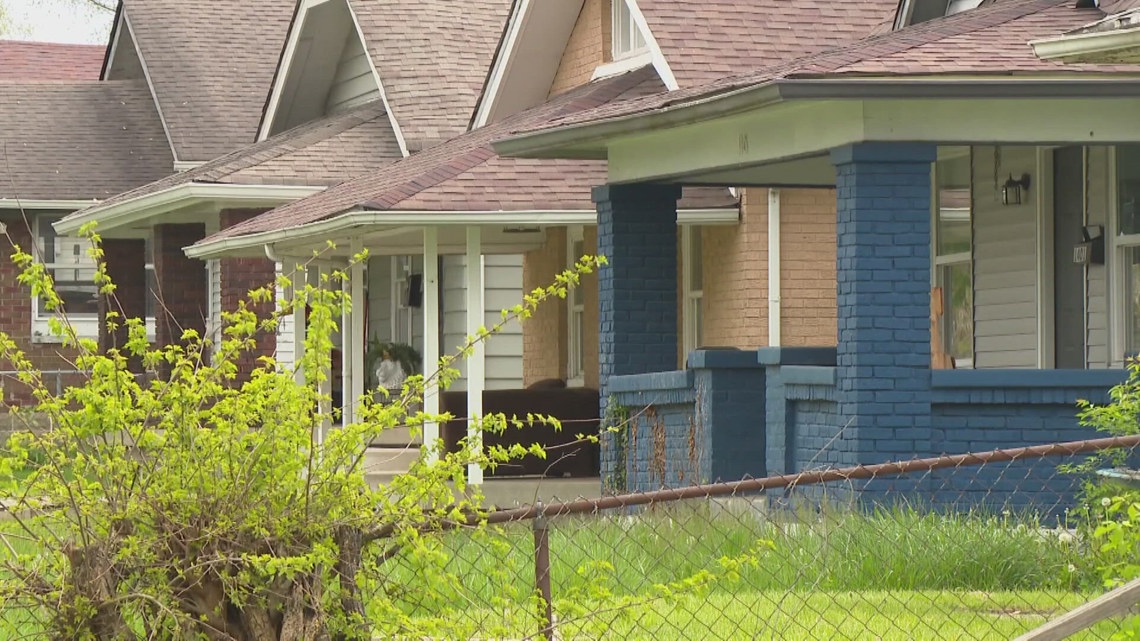
The report says that in 2023, 40% of people called 211 about housing. The study includes the rise in rent and housing along with the rise in the cost of utilities affect people’s mental health when they try to make ends meet.
“We kind of feel that, you know, poverty may be contributing to this, as well. So when you don’t know whether you’re gonna be evicted from your apartment or you lose your home or, or your utilities are going to be so high you can’t afford it,” Caine said.
Lastly, in the community’s top health concerns includes infant mortality rates.
The assessment shows the county’s infant death rate is higher than that of both Indiana and the country for Black or African American residents. It also says 56.5% of mothers in the county started prenatal care during the first 12 weeks of pregnancy in 2024.
The assessment also covers the average life expectancy, childhood obesity, chronic health issues and more.
MCPHD found the leading causes of death include heart disease, cancer, accidents, respiratory disease, cerebrovascular disease, diabetes, Alzheimer’s, kidney disease, assault and dementia.
The assessment specifies the top cause of death for teens and young adults ages 15-24 is homicide.
The results are just the start.
“We’re not giving up in local health, you know, we’re gonna be talking to our policymakers, our state legislators,” Caine said.
MCPHD will release a health improvement plan to provide solutions to these concerns, but, right now, they need community engagement to guide them on how they can best support its residents.
Read the full 2025 Community Health Assessment here.