
Improving patient experiences and outcomes requires the industry to fight the fragmentation inherent within care settings.
Behavioral health providers face ever-increasing demands from several stakeholders to prove their effectiveness. Part of that must include simplifying the care journey within and across care provider organizations. Industry insiders say this requires organizations to prioritize operational competency, tech investments and a culture that focuses on delivering and measuring outcomes.
“If you do that well, everything else should kind of take care of itself,” Michael Constantinides, principal at Revelstoke Capital Partners, said during a panel discussion at INVEST 2025.
During those remarks, Constantinides referred to Revelstoke Capital Partners’ work with its portfolio company Family Care Centers, a fast-growing outpatient mental health company headquartered in Lone Tree, Colorado. The company has grown from just two locations when Revelstoke invested in December 2020 to operating 46 locations today.
One key to the company’s success had been to base its operations on one IT system and a culture and operational strategy that prioritized clinical outcomes, Constantinides said. Having clinician leadership further enabled this approach. The company was founded by Dr. Charles Weber, a psychiatrist. He is presently the company’s chief medical officer. The company’s CEO, Dr. Chris Ivany, is also a psychiatrist.
But operations become more complicated when integrating varied treatment or care settings. Addressing potential gaps during patient handoffs can help providers get ahead of challenges
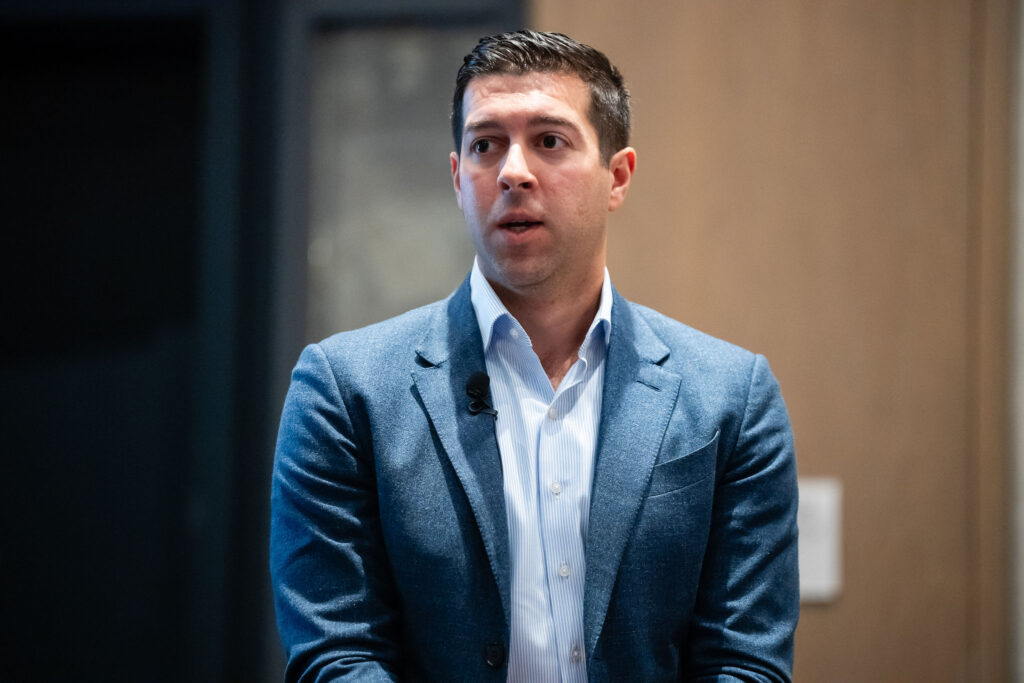 Behavioral Health BusinessMichael Constantinides speaks during BHB’s event INVEST 2025.
Lindsay Lane, vice president of business development and payer contracting for Birmingham, Alabama-based Pathway Healthcare, said during the panel that her organization places significant emphasis on specially trained mental health clinicians who assess and triage prospective patients upon referral. Pathway focuses on outpatient care for those with mental health and addiction treatment challenges. Its services span from psychiatric care, medication management and therapy to intensive outpatient programming (IOP) and case management.
Pathway Healthcare’s “frontline coordinators” are often licensed clinical social workers or licensed master social workers who “speak the common language” of American Society of Addiction Medicine criteria and American Psychological Association standards in assessing patients’ clinical needs with other providers.
Often, organizations will deepen their offering within their preferred care setting. Transcending the boundaries between care settings requires special investment in patient tracking. When imagining what her ideal outpatient mental health company would look like, Lane said it wouldn’t necessarily be a care clinic. Rather, it would operate as a “traffic controller of behavioral health,” accurately assessing care needs and connecting the patient to care within 48 hours.
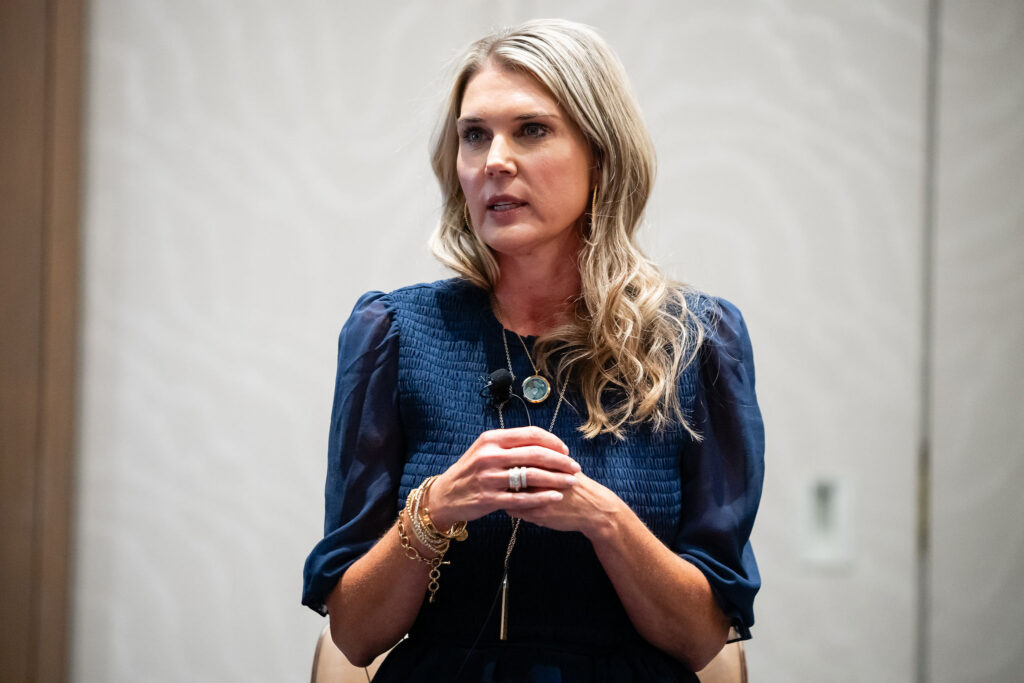 Behavioral Health BusinessLindsay Lane addressing attendees during a panel chat at INVEST 2025.
“A huge cost within behavioral health is the lack of triage, the lack of continuum of care,” Lane said. “The reason I’m proposing this what’s-next business idea is because it has a positive effect on payers and providers and patients. … If you can affect those three points, then you are creating value, you’re reducing costs and you’re increasing access to care.”
More organizations are developing all-in-one models to fight systemic fragmentation, even if they didn’t start with that approach in mind.
Kerri Garrison, co-owner of NextStep Counseling, said she originally founded her company as a therapy practice. She is a therapist herself. The company, founded in 2020, grew from one psychiatrist and 30 mental health practitioners to seven locations. It also now employs medical doctors, advanced practice nurses, therapists of various licensure and behavioral health technicians. NextStep is headquartered in Paragould, Arkansas.
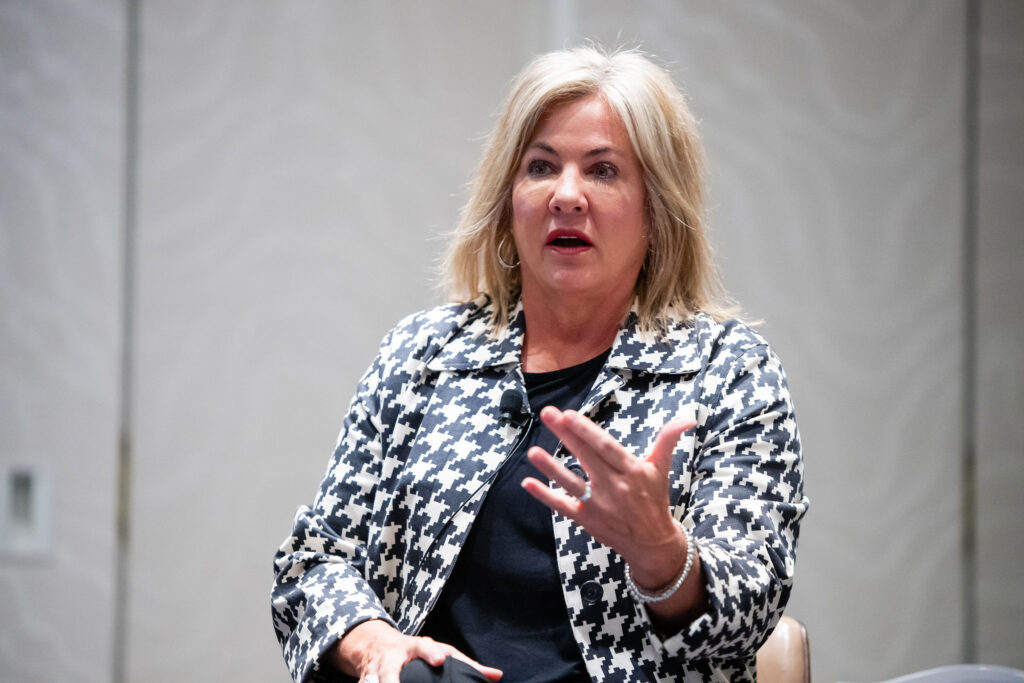 Behavioral Health BusinessKerri Garrison explained her organization’s approach to addressing fragmentation during a panel chat at INVEST 2025.
“For the patient to have to go 18 different places to get the services that they need is sad,” Garrison said. “Where I live in Arkansas, it’s a rural area. People have to go here for one thing and drive an hour there for another thing. People are driving everywhere, and I wanted them to be able to just come to one place.”
In the past year, it has also integrated interventional psychiatry, such as esketamine treatments.
“If I could have started with this holistic, integrated wellness program, that would have been so much fun, and if I was going to start tomorrow, I would probably do that,” Garrison said.